2025: Farmers Are Caught in a Trap Between High Input Prices and Plunging Commodity Prices
American farming is in crisis as inputs rise dramatically while commodity prices sink. And it has all been exacerbated by the ongoing trade war. The trade war, government shutdown and rising costs are squeezing farmers on all sides. US News and World Report noted the irony that Chinese retaliation to the president’s trade war caused the loss of that market, and Trump is proposing to use revenues from tariffs (paid by American importers and consumers) that caused the problem in the first place.
Last month, National Corn Growers Association President Kenneth Hartman, Jr., warned “It’s a four-alarm fire in the countryside.” And since then, the situation has only gotten worse.
On October 10, American Farm Bureau Federation leaders sent letters to the president and Congress stressing the urgent need to approve emergency agricultural aid payments. In their letter, they noted that farmers and ranchers face extreme economic pressures – and those stressors threaten the long-term viability of U.S. agriculture. Farm Bureau President Zippy Duvall wrote “Across the country, farms are disappearing as families close the gates on the farms tended by their parents, grandparents and generations before them.”
U.S. farm production inputs are significantly more costly than four years ago, putting pressure on farmers’ bottom line. According to the USDA, since 2020, seed expenses have increased 18%, fuel and oil expenses increased 32%, fertilizer expenses increased 37%, and interest expenses increased by 73%.
At the same time, after reaching a high above $7.84 per bushel in 2022, corn prices were $4.18 per bushel in September. And not only have soybean prices have declined from their high of $16.73 in March 2022 to a price of $10.19 in September 2025, as soybean suppliers lost key international markets.
An August-September Farm Journal survey revealed that 46% of farmers believe the United States is on the brink of a farm crisis. And an additional 33% of respondents think it may be on the brink. Most farmers who responded (65%) say they are more concerned about their financials than they were a year ago.
How does the current farm crisis compare to the 1980’s farm crisis?
They share the same emotional texture — anxiety, loss, anger, and resilience — but the mechanisms of exploitation have evolved.
We now look at the comparison across five lenses: economics, politics, culture, psychology, and moral meaning.
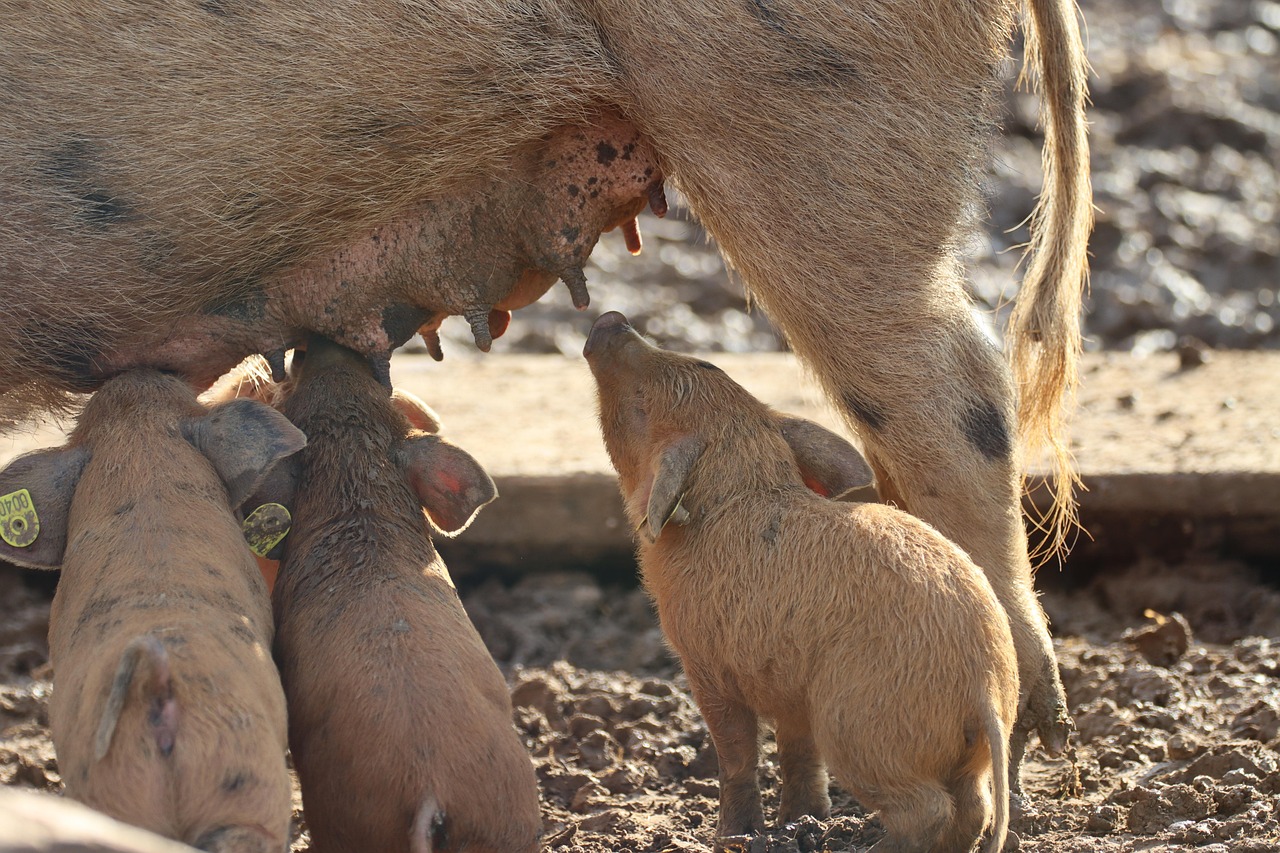
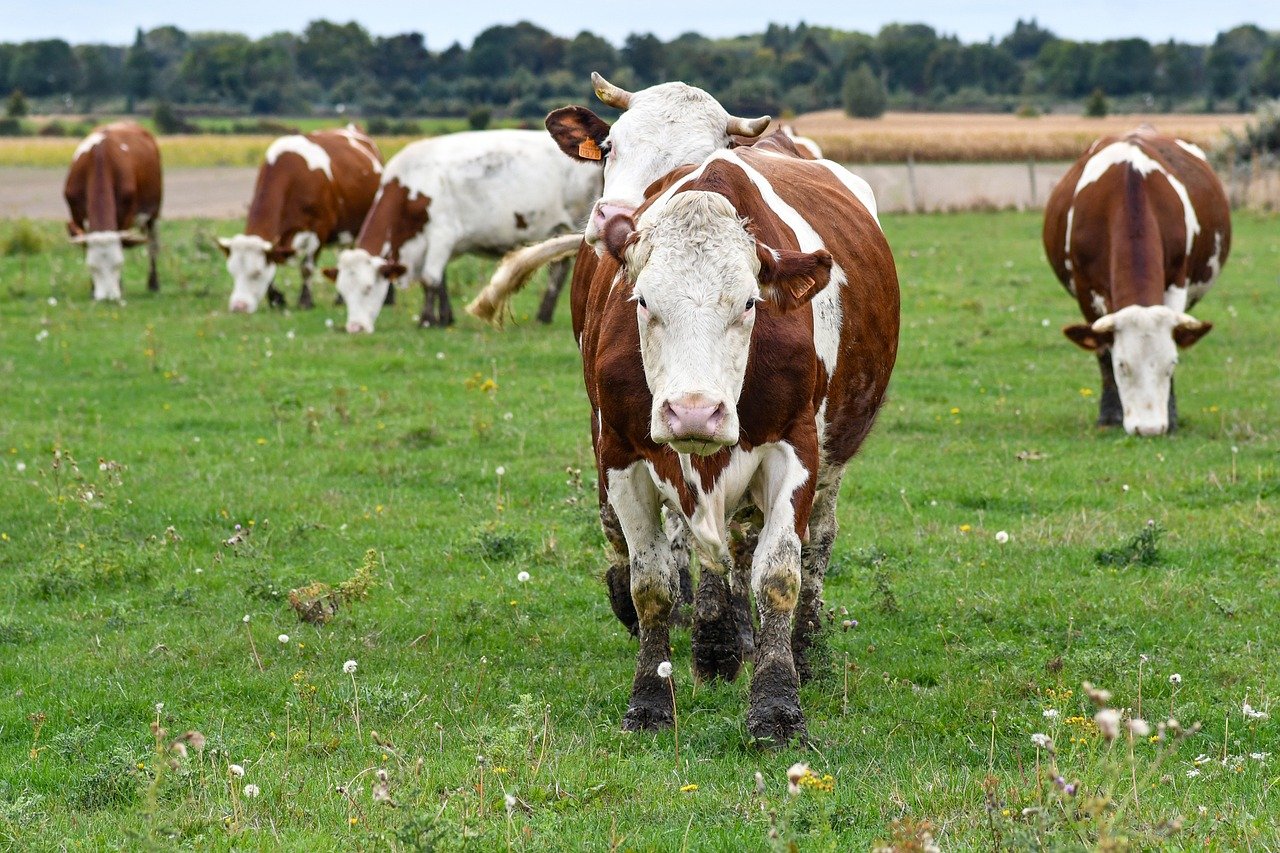
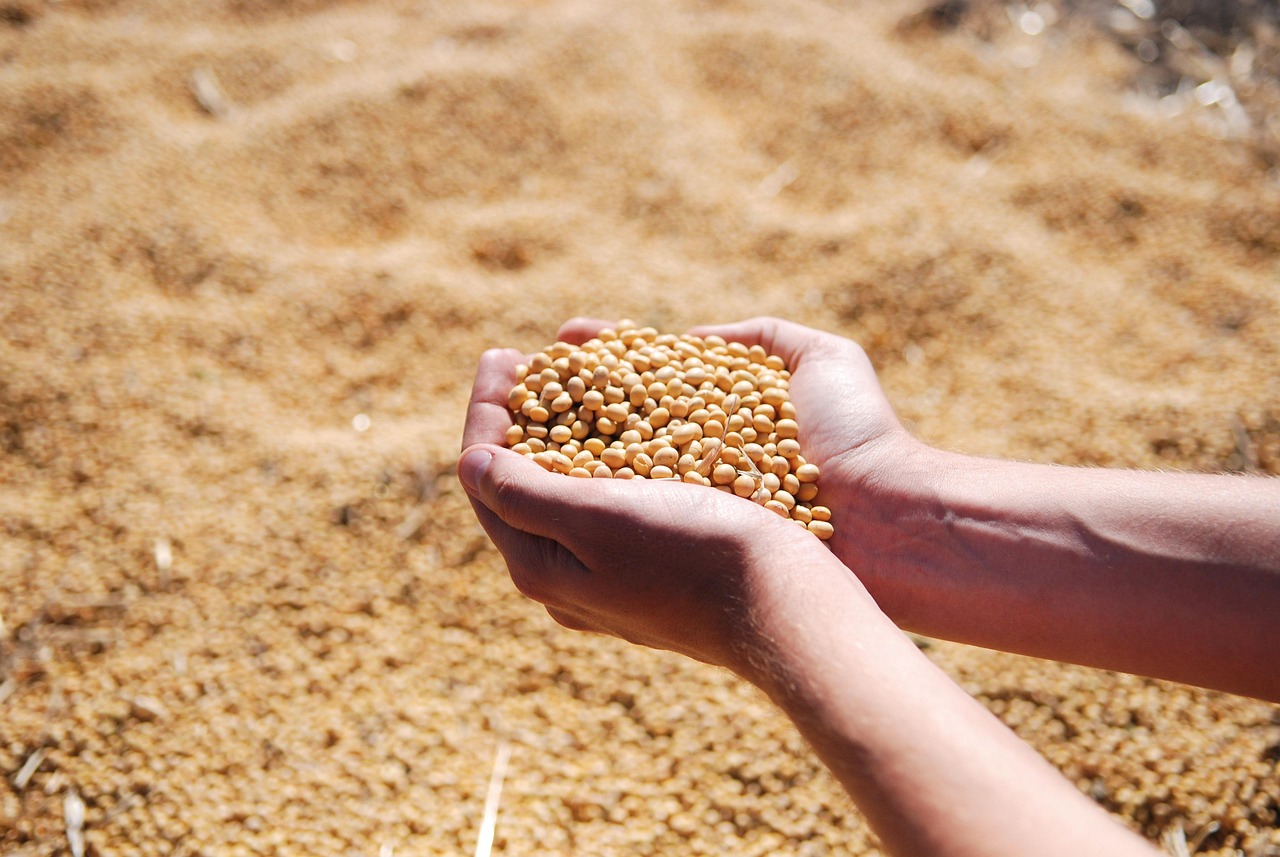

Economic Parallels: Boom, Bust, and Capture
1980s: The Farm Crisis
During the 1970s, a global grain boom fueled by exports to the Soviet Union pushed land values and borrowing sky-high. During that time, farmers expanded aggressively under the “get big or get out” mantra encouraged by USDA Secretary Earl Butz.
When interest rates spiked and export markets collapsed in the early 1980s, land prices crashed by 60%, debt ballooned, and tens of thousands of family farms were foreclosed upon.
Farmers lost more than their livelihoods — they lost their identity.
2020s: Corporate Capture and Financialization
Today, farmland is more valuable than ever — but fewer farmers own it. Hedge funds, agribusiness corporations, and even tech billionaires are buying up farmland as an investment asset, not as a way of life.
And farmers are trapped in input dependency (seed, chemical, and equipment monopolies) and output dependency (few buyers control the markets).
So instead of collapse by debt, today’s farmers are squeezed by structural servitude — an invisible form of foreclosure where ownership remains but power does not.
Then: crisis of credit.
Now: crisis of control.
Political Environment: Abandonment vs. Betrayal
1980s
In the 1980’s farmers felt abandoned by policymakers. The Reagan administration cut farm supports, closed lending programs, and preached market discipline as farms folded.
Yet there was still bipartisan sympathy. The crisis sparked massive public awareness from tractorcades, Farm Aid concerts, and grassroots church-led support networks.
Today
Farmers feel betrayed, not just abandoned. Politicians now praise “family farms” in speeches but side with Big Ag and energy conglomerates in practice – protecting corporate subsidies, carbon pipelines, and CAFO expansion.
Unlike the 1980s, there is no unified farm movement in 2025. The anger has been fragmented – redirected toward immigrants, environmentalists, or “urban elites” instead of the corporations hollowing out rural life.
Then: Washington neglect.
Now: Washington complicity.
Psychological and Cultural Dimensions
1980s
The farm crisis created a wave of despair, isolation, and suicide. Churches and rural mental health centers became lifelines as the language of faith helped many families endure loss with dignity.
Rural culture still retained communal trust where neighbors supported neighbors, even in grief.
Today
Many rural communities have endured decades of depopulation and moral exhaustion.
As local institutions collapsed – schools, grain co-ops, local banks – identity fractured.
Into that vacuum, Christian Nationalism and grievance politics found oxygen. And the moral vocabulary that once sustained empathy has been repurposed to sanctify anger.
Then: solidarity in suffering.
Now: isolation in resentment.
Structural Shift: From Ownership to Dependency
1980s
The crisis uprooted families but left the model of independent farming intact as an aspiration. There was still belief that small and mid-size farms could rebound.
Today
Farming has become a contracted labor system within a vertically integrated corporate hierarchy. Whether it’s seed (Bayer-Monsanto), processing (JBS, Smithfield), or pipelines (Summit), corporate control defines every tier.
Farmers have effectively become tenants on their own land, squeezed by “input debt” instead of bank loans.
Then: farmers lost their land.
Now: they keep their land but lose their freedom.
Moral Continuity and Renewal
Both eras share a moral throughline of Iowans confronting betrayal and rediscovering community in the wreckage.
In the 1980s, pastors, musicians, and rural activists reframed the crisis as a moral failure of a nation that forgot its farmers. Today, grassroots organizers are saying something strikingly similar:
We’ve let corporations and politicians commodify what was once sacred — our land, our labor, and our good word.
But there’s also rebirth. The same Iowa stubbornness that survived foreclosure in 1984 is now fueling local food cooperatives, anti-pipeline alliances, and faith-based environmental movements.
Then: survival through faith and family.
Now: revival through solidarity and stewardship.
Summary: Two Eras, One Struggle
| Dimension | 1980s Farm Crisis | 2020s Rural Turmoil |
| Economic | Credit collapse, land foreclosures | Corporate control, investor farmland ownership |
| Political | Neglect by government | Complicity with corporate interests |
| Psychological | Despair and community support | Alienation and polarization |
| Structural | Loss of land | Loss of autonomy |
| Cultural Narrative | “Save the family farm” | “Take back our land and democracy” |
| Moral Core | Faith in endurance | Faith in renewal |
The Deeper Difference: From Crisis to Capture
The 1980s crisis was a financial implosion that temporarily broke the farm economy.
The 2020s turmoil is a systemic occupation – a slow erosion of sovereignty, both economic and moral.
But every system that overreaches eventually provokes a countermovement, and we’re seeing the seeds of that now.
So, while the 1980s broke bodies and the 2020s break spirits, both have also forged new moral clarity in rural Iowa:
We are more than a market. We are a people.