Iowa Farming
I was born and raised in Iowa, though I spent much of my adult life away from the state. It was returning to Iowa — after years of being away— that made me truly appreciate what we have here. When I returned, the wide horizons, the smell of tilled earth, and the sight of farmers working before sunrise reminded me that this is where America’s heart still beats strongest.
My roots run deep in Iowa soil. My maternal grandparents were European immigrants who farmed a 100-acre plot and raised ten children. Their days were long and their faith unshakable. Many of my uncles and cousins followed in their footsteps, and I spent enough time on their farms to know that every harvest comes from sacrifice — not luck. The labor, the machinery, the worry over weather and markets — it all adds up to something heroic, and too often, thankless.
I remember the farm crisis of the 1980s vividly. The movie Country, filmed near my hometown, captured it exactly: the heartbreak of farm auctions, the fear of losing land that had been in families for generations, the quiet dignity of people who refused to give up. It was a dark time, but it revealed the courage and faith that define Iowa farmers — men and women who endure loss but never lose hope.
That’s why I have such a deep respect for Iowa’s family farmers. Without exception, the ones I’ve known are hardworking, generous, and fiercely devoted to their families and communities. They feed the world — and they deserve better than the uncertainty and neglect they too often receive.
The Modern Struggle: Markets, Costs, and Weather
Today’s farmers face challenges that would test even the toughest generation before them. Prices are unstable, costs are soaring, and the policies shaping agriculture seem to change with the political winds.
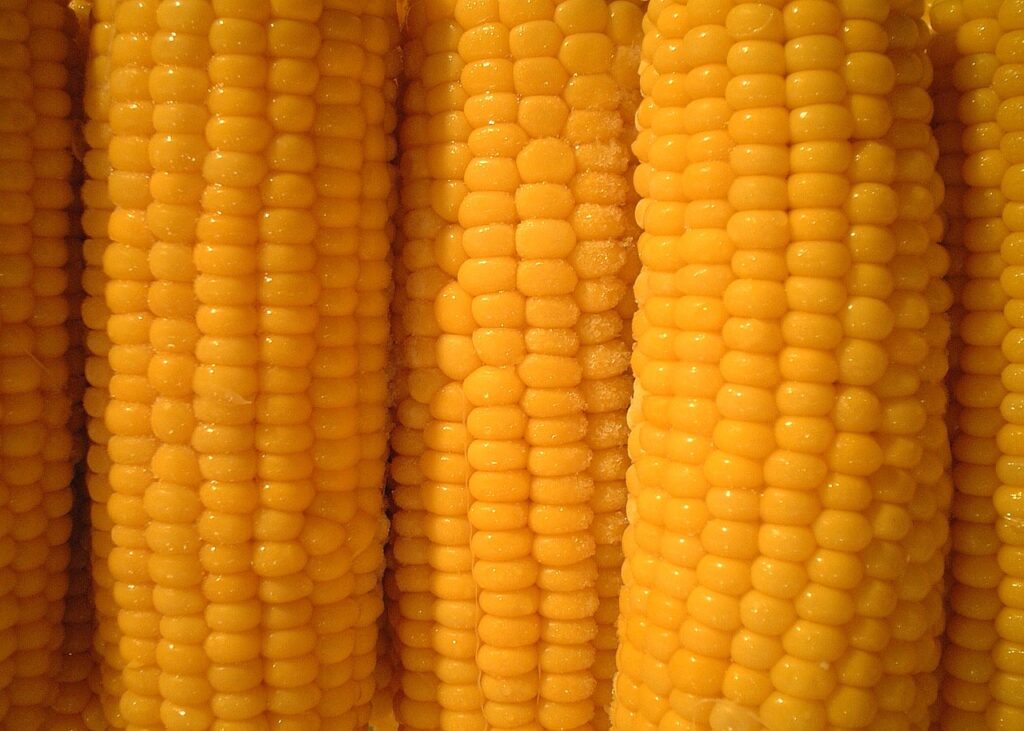
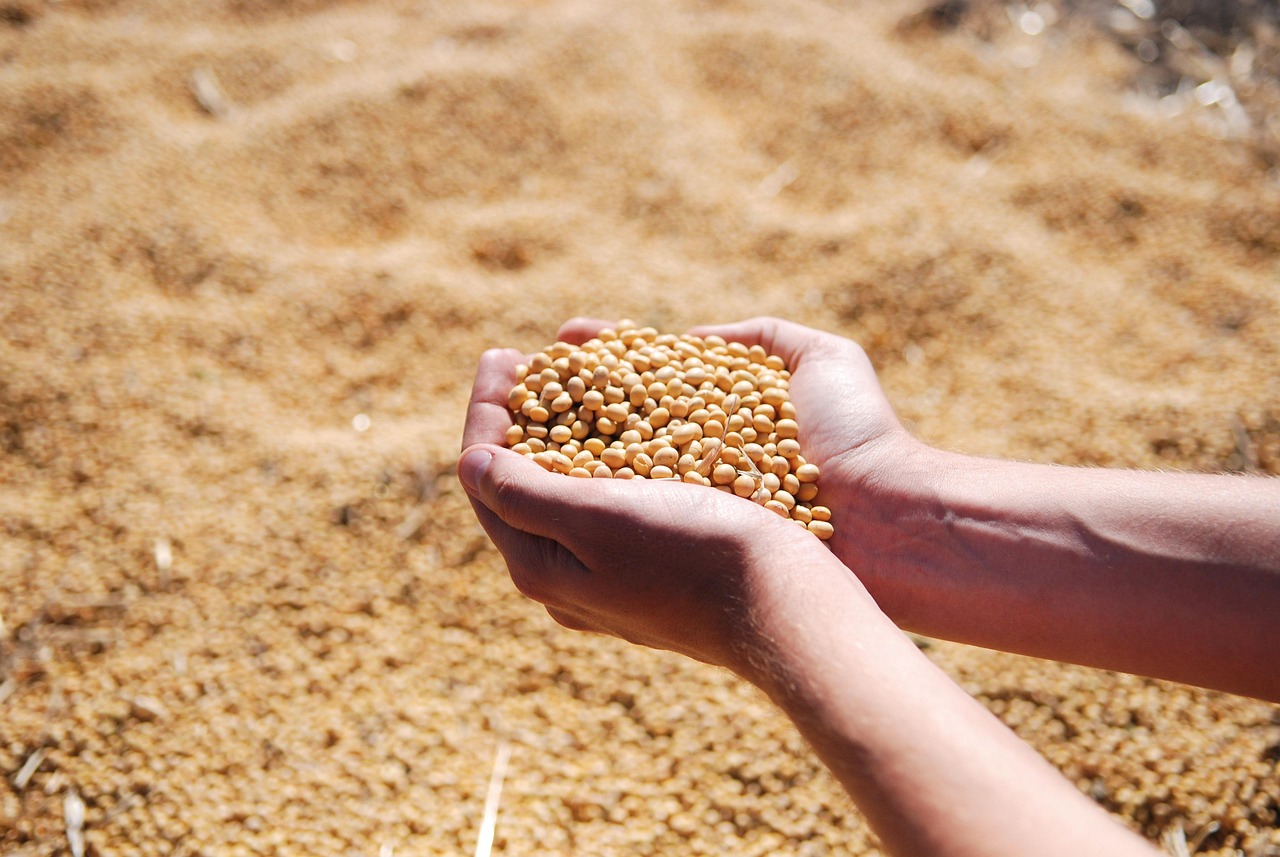
For soybean and corn growers, the math just doesn’t add up. Fertilizer prices have climbed by double digits in just a few seasons, driven by limited competition and international tariffs. Machinery parts and repairs — already expensive — have surged due to steel costs and global supply chain delays. Many farmers are now storing grain instead of selling it, hoping for better prices that may not come.
And then there’s the weather. Iowa has always lived at the mercy of the sky, but the swings have become more extreme — from late frosts to droughts that parch the fields. Farmers have always known that nature is unpredictable, but what’s different now is how many other variables are working against them at the same time.
Add to that the loss of major export markets, and you get a sense of the pressure cooker that family farmers live in. When China turned away from U.S. soybeans after the trade wars, Iowa’s farmers were left with full bins and empty promises. Years later, that market still hasn’t recovered — and neither have the families who depended on it.
Despite the hardship, the spirit of perseverance remains. Farmers rise before dawn, checking weather apps, calibrating planters, and stretching every dollar of seed and diesel. They still wave to neighbors they might not agree with politically — because in the country, you still pull over when someone’s stuck in a ditch. That’s Iowa. That’s farming.
Faith and Resilience in Rural Iowa
It’s easy to forget that behind every grain bin and combine is a person — a mother, a father, a child — praying that this year will be enough. Faith isn’t just something Iowa farmers talk about; it’s the backbone of how they survive.
Sundays still find many in small-town churches where the hymnals are worn but the voices are strong. The community potlucks, the volunteer fire halls, the fundraising dinners — these are the social safety nets that have always existed long before any government check arrived.
You can see that faith everywhere. It’s in the steady hands of a farmer checking the soil. It’s in the quiet dignity of those who refuse to give up even when the math doesn’t work. It’s in the way families come together during harvest or a storm, helping each other bring in the crop before the rain hits.
That resilience — passed down through generations — is what has kept rural Iowa alive through droughts, depressions, and crises. Even when politics forget them, faith keeps them rooted.
Where Do We Go from Here?
If there’s one thing Iowa farmers have earned, it’s not pity — it’s partnership. They don’t need bailouts or campaign promises. They need markets that are fair, trade that is stable, and policies that reward production instead of punishing it.
We need to rebuild trust in global trade, restore relationships with our largest buyers, and ensure that future farm policies are shaped by farmers — not by people who’ve never set foot in a field. We need investment in young farmers, who are the future of this state but face nearly impossible barriers to entry. And we need to reward sustainability and stewardship, not just yield.
The storms facing Iowa agriculture are real — but so is the strength that has always defined this land. From the dusty roads of Franklin County to the rolling fields near Decorah, Iowa farmers will endure. They always have. But they deserve better than to weather every storm alone.