
Iowa’s Untapped Agricultural Future
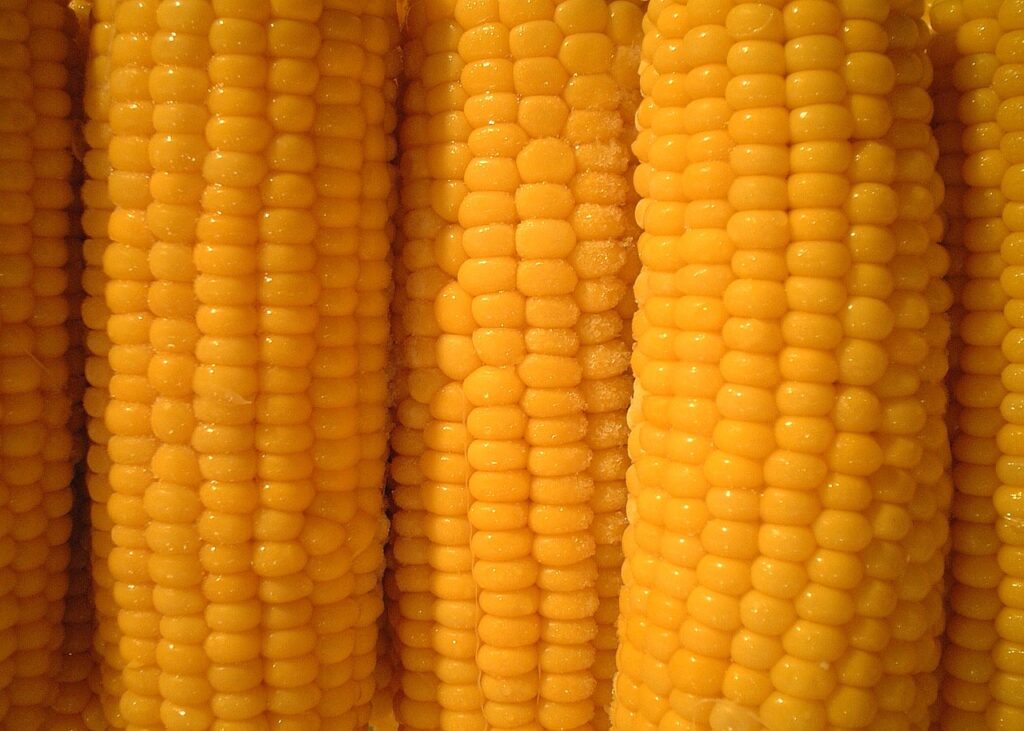
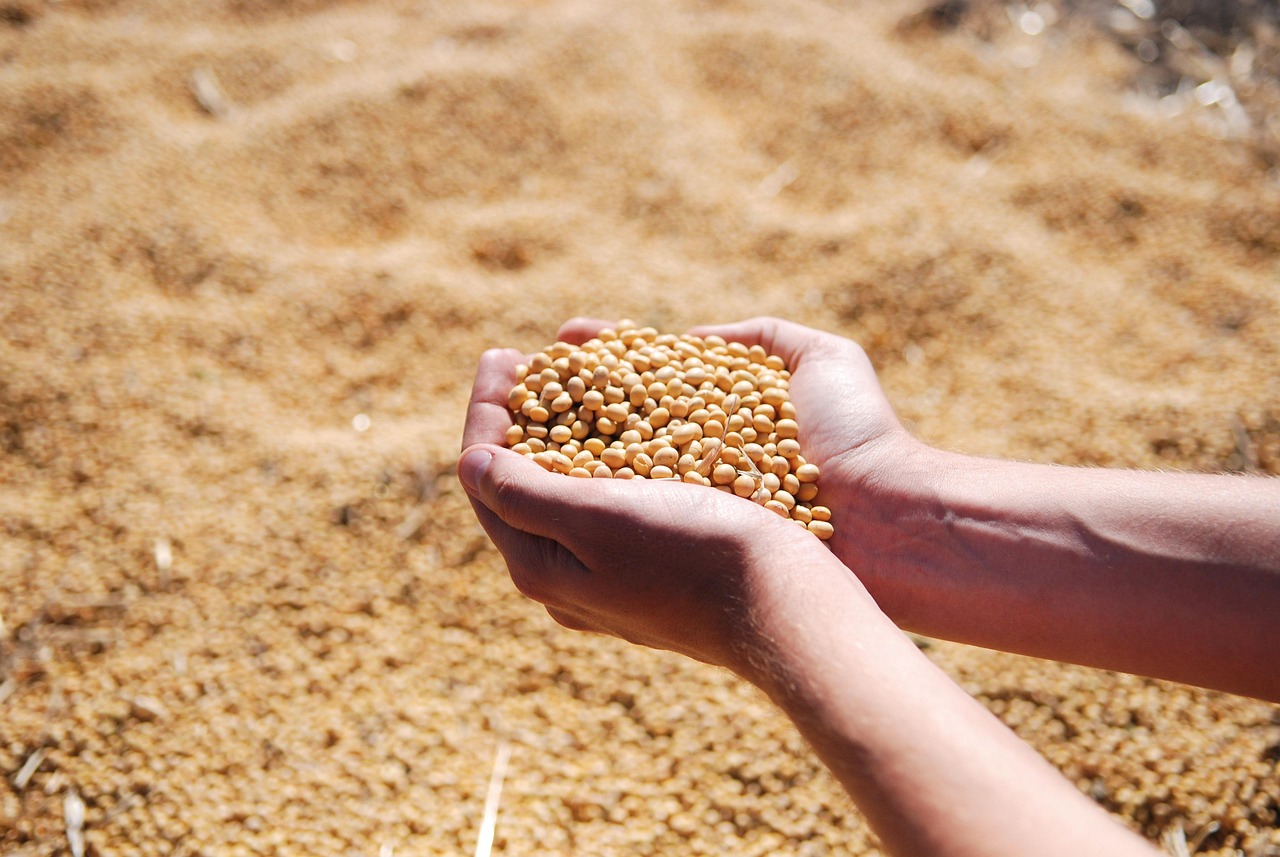
For decades, Iowa’s agricultural landscape has been dominated by just two crops: corn and soybeans.
These pillars of industrial agriculture have fueled ethanol plants, animal feed operations, and global commodity markets. They have also shaped powerful political and economic alliances between agribusiness, commodity groups, and government agencies.
But they have come at a cost.
Soil degradation, polluted waterways, chemical dependency, air contamination from livestock operations, rising cancer rates in rural communities, and economic vulnerability tied to volatile global markets have all become part of the trade-off.
When one state relies so heavily on two crops for its agricultural identity, it becomes less a diversified food system and more a monoculture economy – brittle, extractive, and environmentally fragile.
Yet Iowa is not naturally destined for this narrow path. Its climate, fertile soils, and agricultural knowledge base give it the potential to become one of the most diverse, resilient food-producing regions in North America – if the political and economic will to change exists.
The question is no longer can Iowa diversify – but why hasn’t it?
A Landscape Ready for More Than Two Crops
Iowa’s climate zone (roughly USDA Zones 4–6) supports a wide range of grains, legumes, fruits, oilseeds, medicinal plants, and high-value specialty crops.
Many of these are already proving viable in nearby states or through pilot projects at Midwestern land-grant universities.
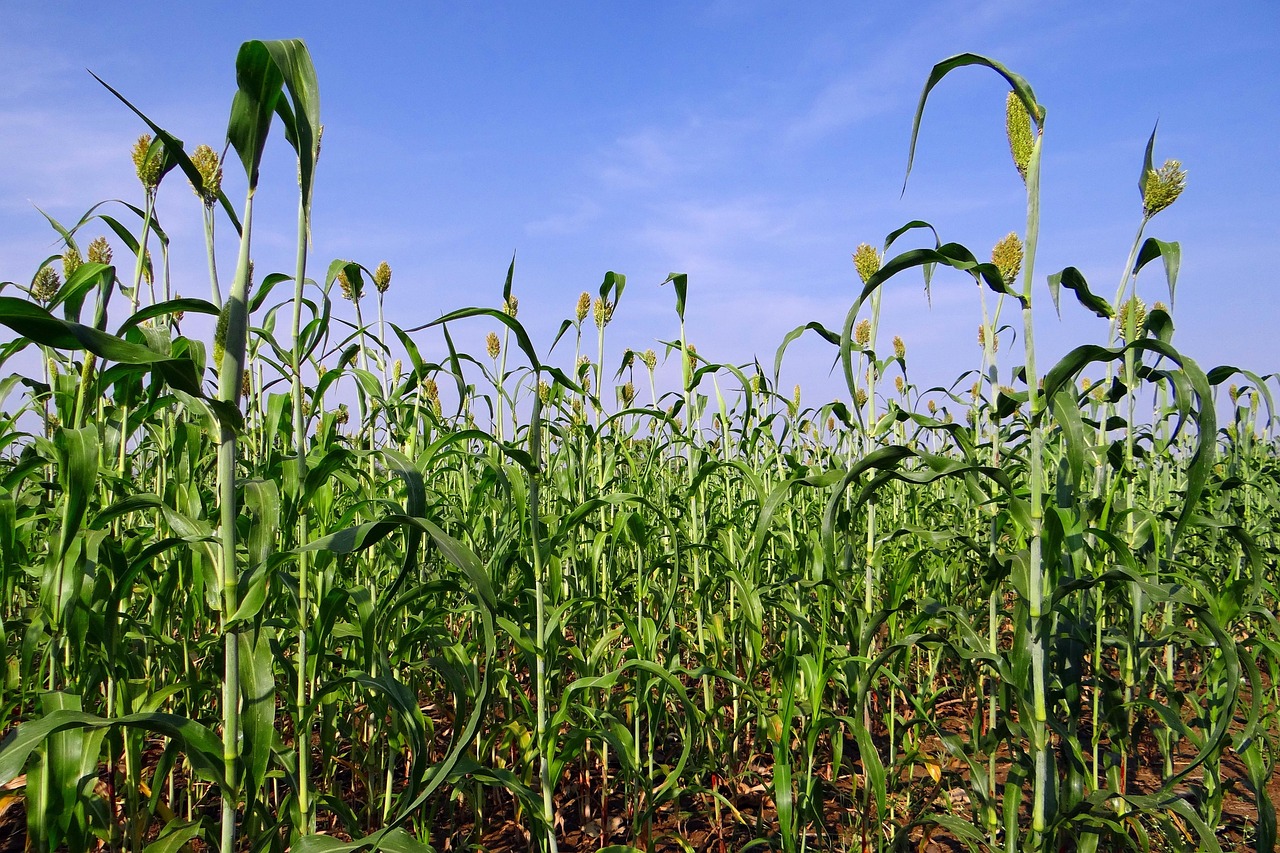
Rather than endless fields of corn and soy, Iowa could be growing drought-tolerant grains such as sorghum, barley, rye and millet.
These crops can be used in food production, brewing, livestock feed, and biofuels without the environmental intensity of corn monocultures.
Protein-rich legumes such as chickpeas, lentils, dry beans, and field peas could reduce dependency on soy while naturally restoring nitrogen to the soil and lowering fertilizer demand.
Cold-hardy fruits and berries – including apples, aronia, elderberries, cold-climate grapes, and cherries – could support thriving value-added industries in juices, jams, ciders, wines, and dietary supplements. These products often generate far higher profit per acre than commodity grain and can fuel both local entrepreneurship and export demand.
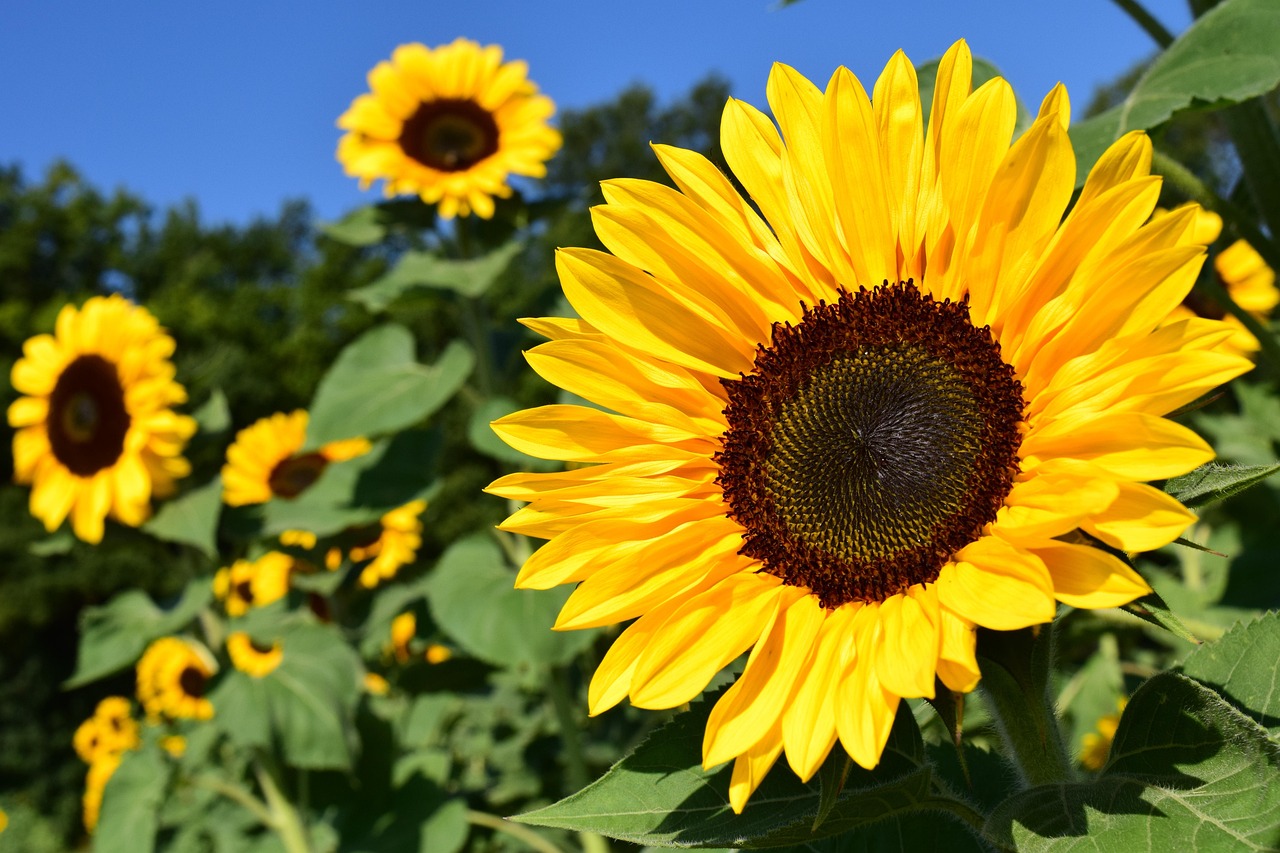
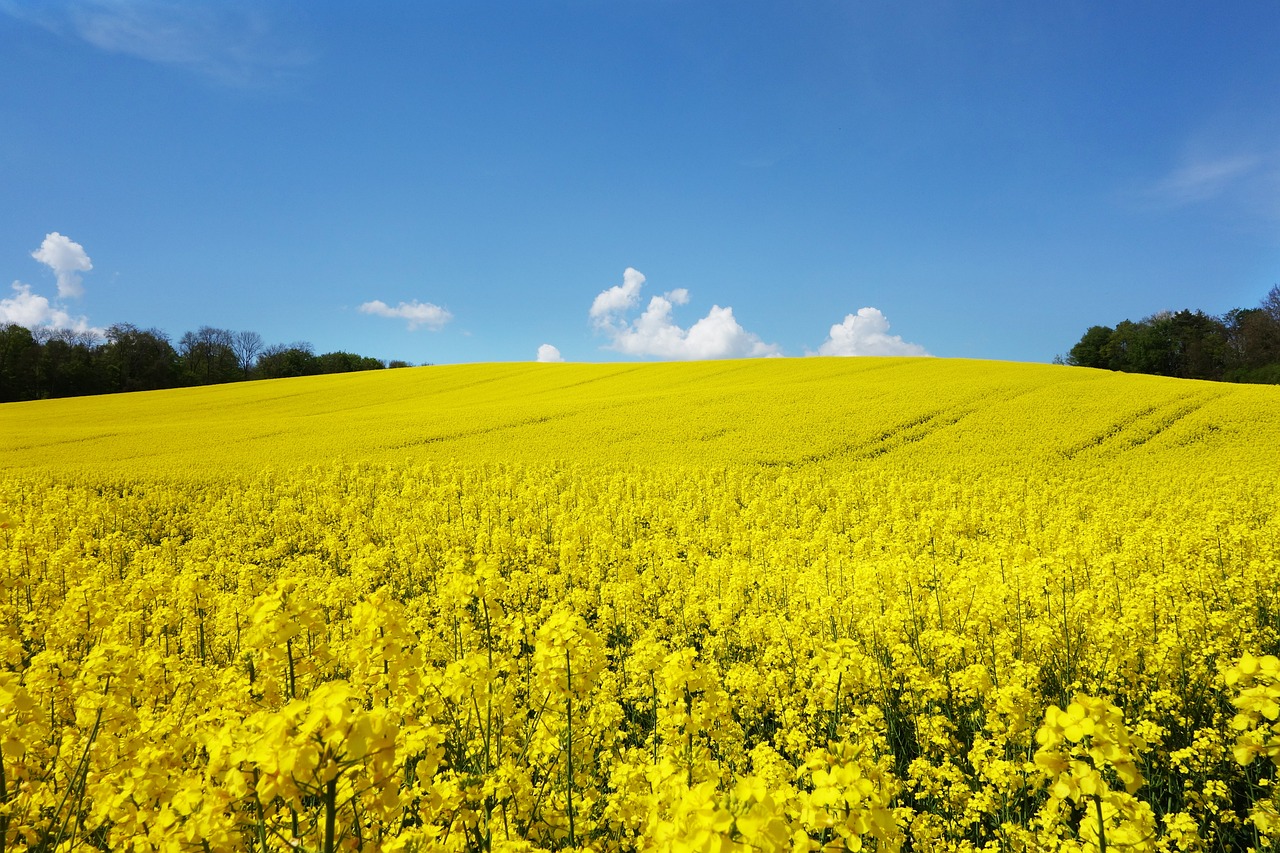
Oil-producing plants like sunflower, camelina, flax, safflower, and canola offer renewable alternatives for food oils, cosmetics, aviation fuel, and biodegradable plastics.
And unlike corn ethanol, some of these crops can actually improve soil structure while generating fewer chemical inputs and less runoff.
Even more promising are regenerative and climate-forward crops such as Kernza (a perennial grain with deep roots), switchgrass, miscanthus, industrial hemp, and medicinal herbs.
These plants hold soil in place, build organic matter, sequester carbon, and protect water quality – addressing Iowa’s most critical environmental liabilities while creating new supply chains in the process.
In short, Iowa could move from a chemical-dependent, environmentally degrading system to a regenerative powerhouse – without losing its agricultural identity. It would simply be redefining it.
The Real Barrier Isn’t Climate – It’s Politics and Infrastructure
The biggest obstacle to diversification is not that these crops won’t grow here. It’s that the system has been designed to ensure corn and soy remain king.
Massive subsidies, crop insurance structures, ethanol mandates, processing facilities, marketing boards, government data collection systems, transportation infrastructure, and even political campaign contributions are tied to those two crops.
Farmers who want to diversify are often punished financially for doing so – facing higher risk, fewer buyers, limited processing centers, and little institutional support.
In this sense, Iowa agriculture resembles a carefully maintained monoculture – one that benefits concentrated corporate interests while slowly eroding the health of the land and people who sustain it.
But history has proven that when market demand, technology, and policy align, change can happen quickly. And globally, demand is shifting.
Southeast Asia, Europe, and even Central and South America are increasingly seeking alternative grains, plant-based proteins, herbal medicines, specialty oils, and climate-friendly crops.
Iowa is perfectly positioned to respond – if its leaders choose people and planet over loyalty to Big Ag.
A Different Vision for the Heartland
An alternative future is possible. Imagine Iowa known not as a “corn and ethanol state,” but as a leader in:
- soil regeneration
- plant-protein innovation
- climate-resilient agriculture
- medicinal and botanical crops
- water-protective farming systems
- diversified rural economies
- small producer empowerment, and
- food sovereignty and sustainability
That shift would not happen overnight, and it would require support, education, policy reform, processing investment, and farmer protection during transition. But it is both achievable – and necessary.
Because the real risk is not trying something new. The real risk is continuing exactly as we are.