Summary
When considered together, today’s stories illustrate a widening gap between evidence-based governance and performative politics in Iowa.
On one end of the spectrum, Polk County’s wetland investments show how data, long-term planning, and public interest can align to produce tangible benefits. These projects acknowledge environmental reality and act accordingly, even when solutions are complex and incremental.
On the other end, federal funding cuts are already destabilizing Iowa’s health care infrastructure, with layoffs and clinic closures becoming the human face of abstract policy decisions. These impacts are not hypothetical, they are happening now, and they fall disproportionately on workers, patients, and rural communities.
The proposed ban on community ID programs and the Trump lawsuit against the Des Moines Register further reflect a governing posture that prioritizes control, optics, and ideological signaling over measurable outcomes. In both cases, existing systems that improve safety, access, and accountability are being targeted without evidence that they cause harm, or that eliminating them will solve any real problem.
The throughline is responsibility. When decisions are made without regard to evidence, capacity, or consequence, the costs do not disappear. They are simply transferred. Today’s Iowa411 brief documents where those costs are landing, and who is accountable.
MercyOne Des Moines Announces Layoffs, Cites Federal Cuts
MercyOne Des Moines Medical Center announced it will eliminate 67 jobs in its revenue cycle department effective March 17, citing significant federal policy-driven funding reductions. The cuts are part of a broader restructuring by parent company Trinity Health, which reports an anticipated $1.5 billion annual revenue reduction tied to current and proposed changes to Medicaid and Medicare coverage, payment, and access.
The Des Moines layoffs follow the announced closure of MercyOne’s Ottumwa clinic, which will displace an additional 40 workers. Nationwide, Trinity Health is reducing its revenue cycle workforce by 10.5%, with some non-patient-facing functions being transitioned to external partners. MercyOne says the restructuring is necessary to manage rising costs while maintaining charity care for underinsured and uninsured patients.
Our Take
This is not an isolated workforce adjustment. It is a predictable consequence of federal policy choices now rippling through Iowa’s health care system. Revenue cycle jobs may be “non-patient-facing,” but they are essential to keeping hospitals solvent and accessible.
These cuts represent a real and immediate cost borne by Iowa workers and communities, squarely tied to decisions made by Iowa’s congressional delegation. This story belongs on Iowa411’s ledger of the Big Beautiful Blunderbuss.
Polk County Gets Funding for 5 Wetlands to Improve Water Quality
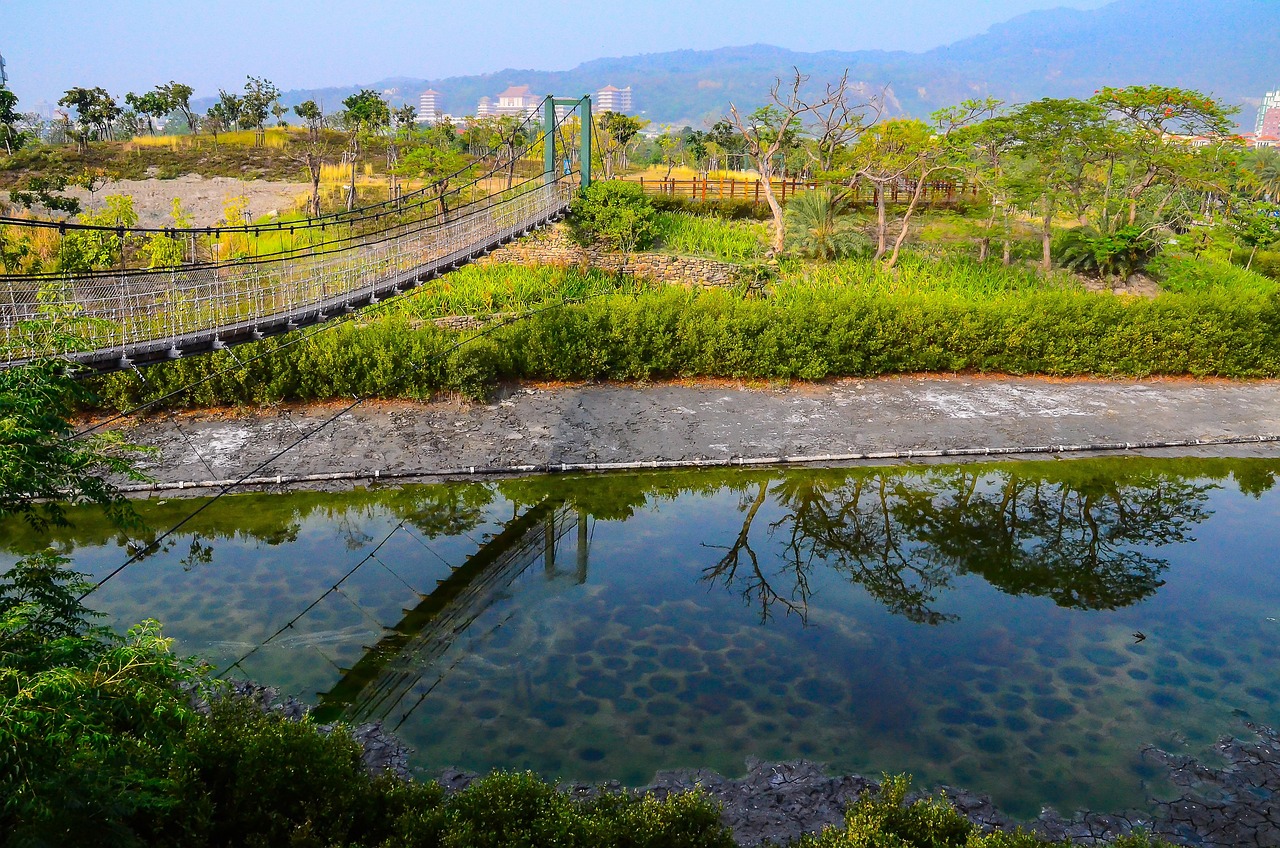
Polk County will add five new wetlands after securing $300,000 in funding through The Great Outdoors Foundation, part of a broader $3.8 million effort supported by county, state, and nonprofit sources. The projects aim to improve water quality, reduce flooding, and restore ecosystems once common across Iowa.
Wetlands now cover only about 5% of their historic footprint in Iowa, despite their effectiveness at filtering pollutants and managing runoff. Polk County’s Wetland Wave Program, launched in 2022, has already constructed 16 wetlands, with 29 more planned. When complete, nearly 1,000 acres of wetlands will treat runoff from more than 75,000 acres of land.
Our Take
This is what responsible, evidence-based environmental stewardship looks like. Polk County is acting on well-established science and its own commissioned research linking agricultural practices to water pollution. While wetlands are not a cure-all, they are among the most effective tools available. This is a rare example of Iowa government aligning policy, data, and long-term public benefit.
Community Human Services Advocates Oppose Iowa Bill Banning Local ID Programs
Immigrant rights groups, faith leaders, local officials, and emergency management advocates are opposing House Study Bill 552, which would ban local governments from creating community identification programs. A House subcommittee advanced the bill 2–1 despite unanimous testimony against it.
Community IDs are used by immigrants, seniors, unhoused individuals, disaster victims, and others who lack traditional identification, enabling access to health care, libraries, recreation facilities, and cooperation with law enforcement. Critics warn the bill could undermine public safety, disaster response, and local control, while solving no clearly defined problem.
Our Take
This proposal exemplifies governance driven by ideology rather than outcomes. Community ID programs increase safety, cooperation, and access, particularly for vulnerable populations, without conferring legal status or federal benefits.
Eliminating them reduces public safety and emergency response capacity while imposing unnecessary barriers on people already at risk. Local control is being overridden in service of a problem that even supporters struggle to articulate.
Court’s Power over President at Issue in Trump vs. Register Lawsuit
A Polk County District Court judge is weighing how to proceed with President Donald Trump’s lawsuit against the Des Moines Register and former pollster J. Ann Selzer, in which Trump alleges consumer fraud without evidence. The case raises unresolved constitutional questions about discovery, judicial authority, and enforcement when a sitting president is a plaintiff.
Attorneys for the Register and Selzer argue the case should be dismissed or stayed, warning that asymmetric discovery would amount to an intimidation campaign against the press. Trump’s legal team is pushing forward with discovery. Judge Scott Beattie has temporarily stayed discovery and is expected to issue a ruling within two weeks.
Our Take
This case is less about polling and more about power. Even the court acknowledges the practical limits of enforcing orders against a sitting president, highlighting the imbalance inherent in the lawsuit. Allowing discovery to proceed risks turning state courts into tools for press intimidation. The First Amendment implications are substantial, and the chilling effect, intentional or not, is real.
What Are Urban Wetlands?
Wetlands are shallow water ecosystems that act as natural infrastructure. Once common across Iowa, more than 95% have been drained or filled to make way for agriculture and development.
What Is a Wetland?
A wetland is land that is intentionally designed or naturally occurs where water collects or flows slowly. Wetlands can be marshes, oxbows, ponds, or low-lying areas planted with native vegetation.
They are not stagnant “swamps,” they are working systems.
Why Wetlands Matter
Clean Water. Wetlands function as nature’s kidneys, filtering out nutrients like nitrogen and phosphorus before polluted runoff reaches rivers and drinking water sources.
Flood Reduction. Wetlands hold water during heavy rain and release it slowly, reducing flash flooding and downstream damage.
Wildlife Habitat. They provide critical habitat for birds, pollinators, amphibians, and aquatic life—many of which have declined as wetlands disappeared.
Cost-Effective Infrastructure. Wetlands often deliver water-quality and flood-control benefits at a fraction of the cost of engineered solutions.
Climate Resilience. By absorbing excess water and supporting vegetation, wetlands help communities adapt to more intense rain events linked to climate change.
Why Urban Wetlands Are Especially Important
Urban wetlands improve water quality where runoff is most concentrated—near roads, neighborhoods, and developed land. They protect local streams while improving community resilience and livability.
The Bottom Line
Wetlands don’t just protect the environment, They protect communities.