Summary
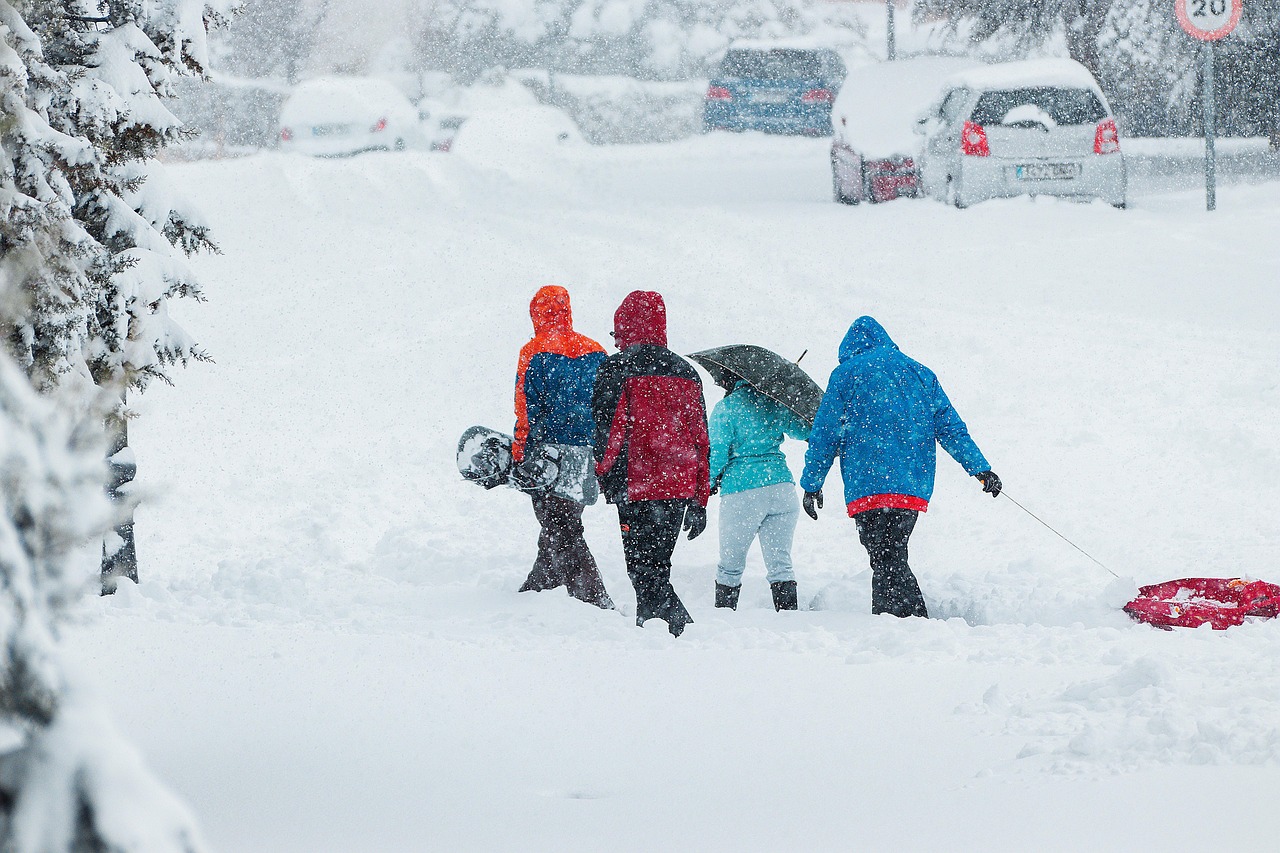
Iowa enters the weekend under a disruptive winter storm bringing more than a foot of snow to parts of the state.
Meanwhile, national policy issues are hitting close to home: Medicaid cuts are accelerating the collapse of rural health systems, Deere’s earnings reflect broader farm-economy stress, and Iowa’s Wildlife Action Plan shows both encouraging conservation progress and a severe long-term funding shortfall.
Together, the stories paint a picture of a state and region facing intersecting pressures – climate, health care, agriculture, and habitat – all requiring long-overdue attention and investment.
Winter Storm Slams Iowa with Heavy Snow and Hazardous Travel
A powerful winter storm continues to sweep across Iowa today, bringing 8 to 14 inches of snow to much of the state. Northern and western Iowa woke to 6–8 inches, with an additional 5 to 10 inches expected through late afternoon – especially in central and eastern counties.
Temperatures will remain in the 20s, ensuring steady accumulation. Roads are becoming snow-packed, and travel is expected to be difficult or borderline impossible at times.
Winds may cause blowing and drifting, but blizzard conditions are not expected. Snow tapers off after 10 pm from west to east.
Authorities strongly urge Iowans: If you don’t need to travel today, don’t.
Our Take
Winter storms are not unusual in Iowa – but this is a high-impact, early-season system, hitting during one of the busiest travel weekends of the year.
As always, the people most affected are those who can’t easily stay home: shift workers, rural residents, caregivers, and low-wage workers.
Weather is weather, but safety is policy – and Iowa’s lack of investment in rural transit, road clearing capacity, and emergency shelter networks continues to make storms like this more dangerous than they should be.
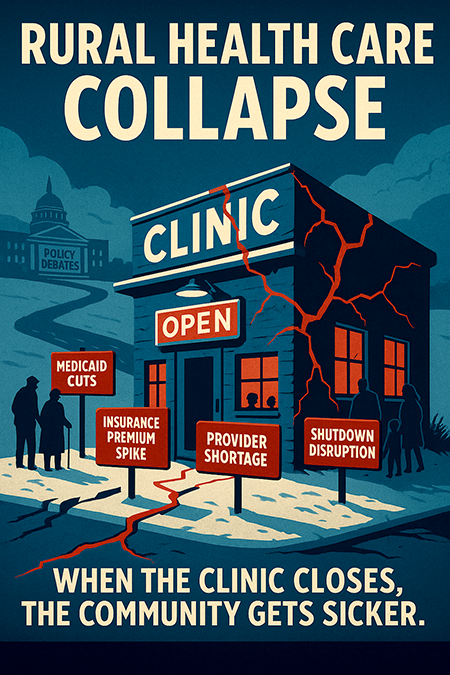
Medicaid Cuts Hit Rural Health Care – New Hampshire Closures Offer a Warning for States Like Iowa
A community health center in Franconia, New Hampshire, has closed permanently – a direct casualty of Medicaid cuts, rising insurance costs, and shrinking federal support. The center served 1,400 rural patients, many elderly and chronically ill.
Nationally, more than 100 rural hospitals have closed in the past decade, and 700+ are at risk. Federally funded community health centers rely increasingly on cash reserves, with nearly half having less than 90 days on hand.
The CEO of the shuttered facility said the financial gap was unmanageable: “We’re really left with no choice.”
Patients – many older, low-income, or managing complex illnesses – fear losing care relationships they’ve built over years.
Our Take
What’s happening in New Hampshire is a preview of Iowa’s future if federal Medicaid support continues to erode.
Iowa’s rural hospitals already face severe staffing shortages, low reimbursement rates, rising insurance costs, and an aging population
Community health centers are often the only local source of primary care in rural counties. Cuts like these don’t just save money – they cost lives, reduce economic stability, and push small towns closer to collapse.
This is not just a health care issue. It’s a rural survival issue.
Deere Reports Lower Profits but Remains Optimistic for 2026
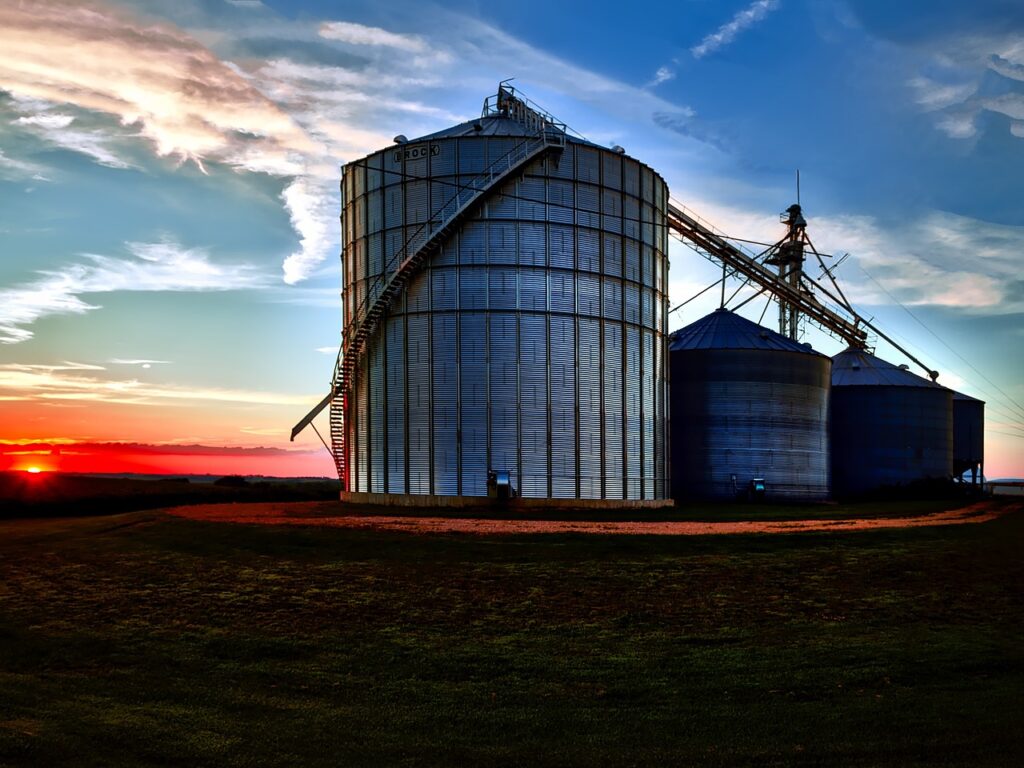
Deere & Company reported $1.065 billion in fourth-quarter net income, down from $1.245 billion last year. Full-year profit also declined from $7.1 billion to $5.027 billion.
Despite reduced income, Deere saw an 11% rise in quarterly sales, and leadership says structural improvements and diversified customers helped them withstand a difficult ag cycle. Deere expects 2026 to be the bottom of the large-ag equipment market, with growth anticipated afterward — especially in small ag and construction sectors.
Our Take
Deere’s numbers reflect exactly what farmers have been saying: High costs + low crop prices = reduced equipment demand.
But the deeper takeaway is this: Even the world’s largest ag equipment maker is feeling the strain of tariffs, farm income volatility, and the downturn in the corn/soy cycle.
If Deere is tightening its belt, you know family farmers already have.
Iowa Wildlife Action Plan Open for Public Comment – and the Clock Is Running Out
The Capital Dispatch reports that the Iowa Department of Natural Resources (DNR) has released the draft update of its 25-year Wildlife Action Plan, covering species conservation, habitat restoration, research, and public access. Public comment is open until Dec. 5.
The draft update points out that:
Iowa now has 799 species listed as “of greatest conservation need” – including butterflies, moths, bees, fish, birds, and native plants.
Public conservation land has grown from 1.7% in 2004 to 2.5% today, still among the smallest percentages in the nation.
Successful reintroduction efforts include peregrine falcons, trumpeter swans, osprey, and recovery sightings of long-absent species.
Prairie, stream, and mussel restoration projects have made notable progress — but agricultural dominance limits available habitat.
The plan is underfunded by $127 million per year, making its long-term goals unreachable without new investment.
At current rates, Iowa will not reach the goal of 4% protected land until 2055 – 25 years behind schedule.
Our Take
This plan is one of the most important conservation documents in Iowa, yet it remains chronically underfunded and politically invisible.
Iowa’s landscape – once 85% tallgrass prairie – is now the most altered ecosystem in North America. Wildlife declines are not “natural”; they are a product of choices we have made.
The DNR is stating the truth plainly. Iowa needs permanent funding for wildlife if we want wildlife to still exist here.
And public comments matter. Even a handful of voices can push lawmakers to pay attention.