This article examines the economic and energy-grid consequences of Trump-era clean-energy rollbacks in Iowa.
It explains how canceling Inflation Reduction Act reimbursements and wind-energy incentives has hurt farmers, suppliers, and the state economy while increasing risk for the U.S. power grid.
And, it positions geothermal energy as a pragmatic, stable alternative for both rural communities and national resilience.
A Promise Blown Away
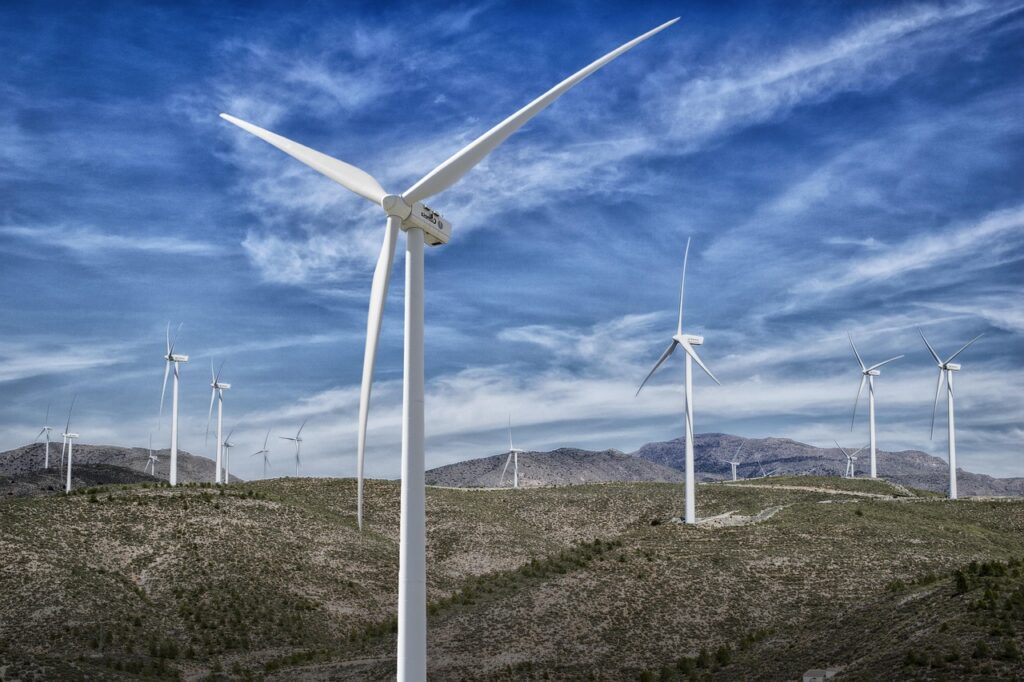
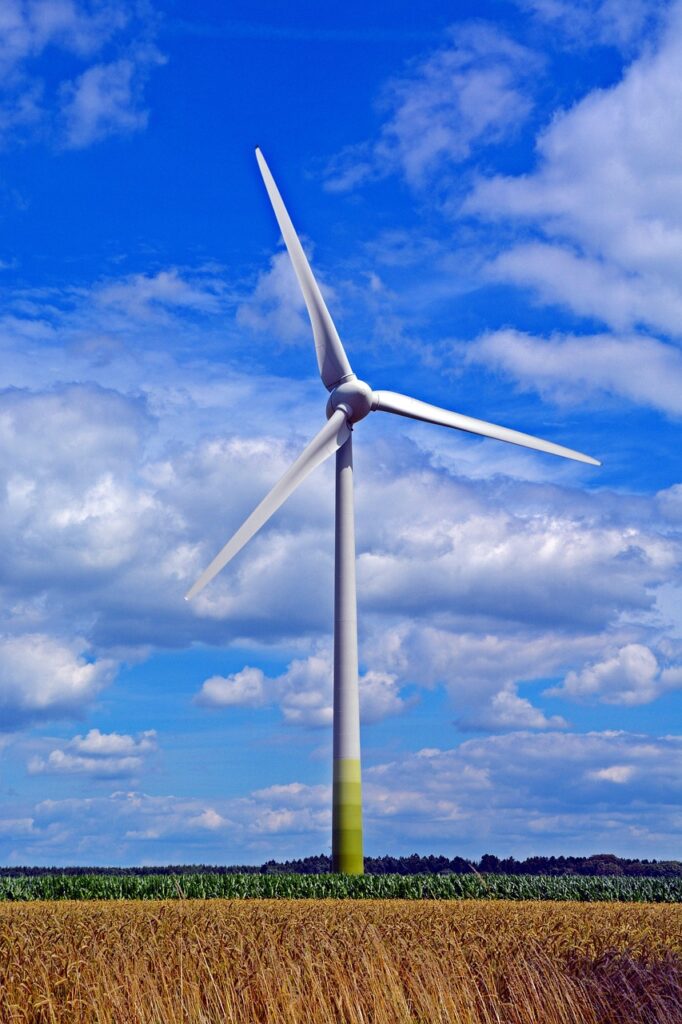
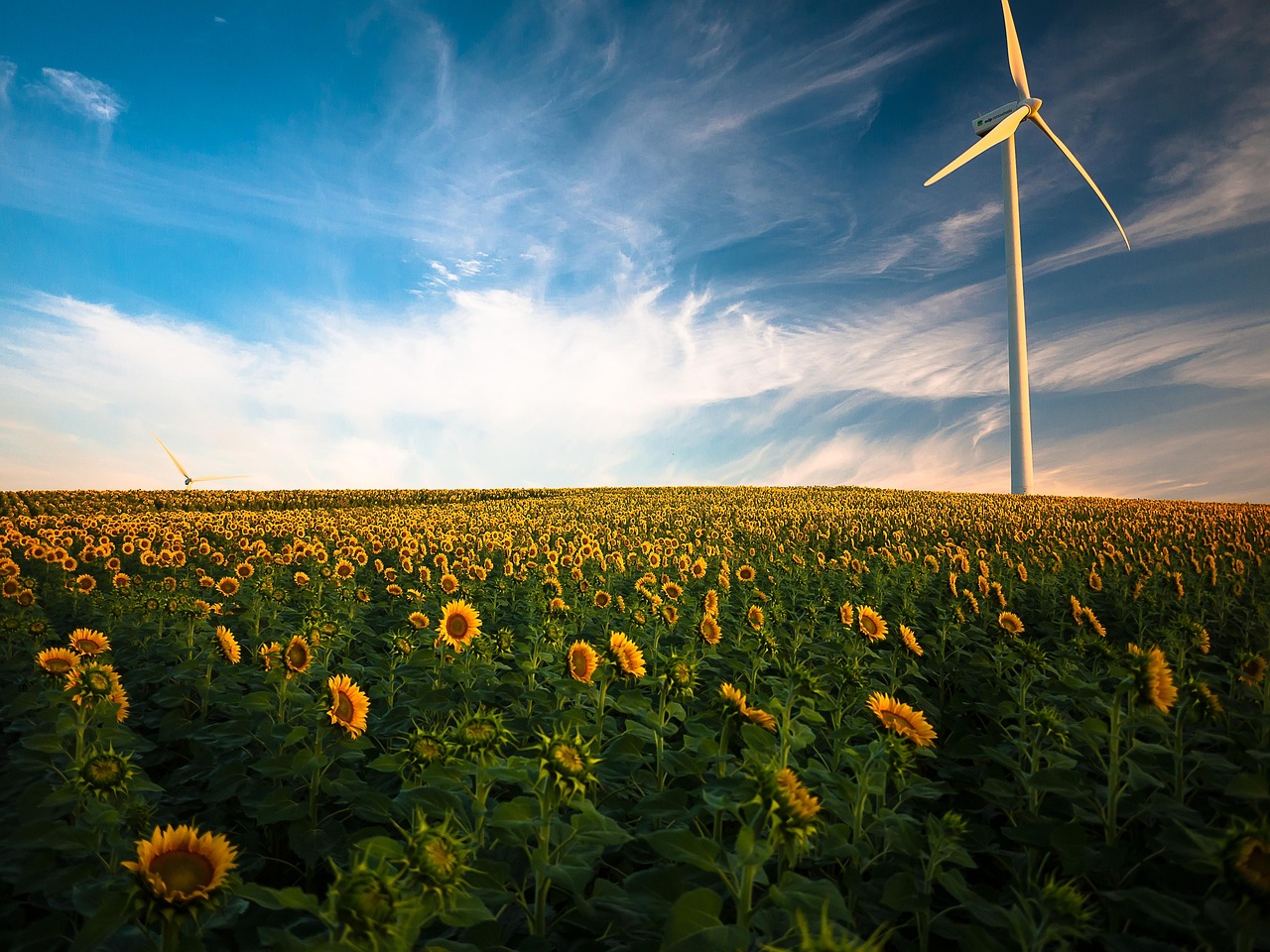
Across the windswept plains of Iowa, turbines once turned not only air, but optimism. Rural families leased their land for clean-energy projects, county governments collected new tax revenues, and local suppliers flourished. The Inflation Reduction Act had promised federal reimbursements and incentives that made the math work for many small producers.
Then, suddenly, the wind shifted.
Within months of taking office, President Trump canceled, froze, or clawed back dozens of green-energy initiatives. The administration justified it as “fiscal discipline” – but on the ground, it felt like betrayal. Farmers who had borrowed money for new turbines or solar arrays found themselves staring at unpaid loans and unfinished projects.
In a state where nearly two-thirds of electricity comes from wind, these reversals landed like a derecho across the local economy.
The zero-sum mindset
Trump’s energy doctrine remains rooted in a 20th-century binary: fossil fuels versus everything else. If oil wins, renewables must lose. That approach ignores the actual physics – and economics – of modern energy systems, where diversity equals stability.
By targeting the Inflation Reduction Act, clean-energy tax credits, and even wind permitting itself, the administration has pulled capital and confidence out of rural economies that depend on them. Farmers now shoulder debt meant to be offset by federal reimbursement; suppliers lose contracts; and the state’s position as a clean-energy exporter is at risk.
Meanwhile, Iowa’s congressional delegation offers silence or slogans, unwilling to challenge party leadership even as their constituents and state economy suffer.
Ripple effects on the grid
This is more than an agricultural story. It’s a grid-reliability story.
Wind curtailments, stalled solar projects, and canceled transmission lines reduce the resilience of the Midcontinent Independent System Operator (MISO) region, which includes Iowa. As electrification and AI-driven datacenter loads surge, removing renewable expansion from the mix makes the grid more brittle.
A study from the Rhodium Group and NERC both warn that without new clean generation, reserve margins will shrink by 10–20 percent by 2030. That means higher prices, more outages, and greater dependence on fossil imports.
What began as a baseless political gesture could evolve into a national infrastructure problem.
The human cost
For farmers, this isn’t a policy debate – it’s a balance-sheet disaster.
Take the case of rural cooperatives that financed small-scale solar arrays or biogas digesters expecting federal reimbursement. When the funding stopped, those loans didn’t. Counties are now cutting budgets. Suppliers are laying off workers. And some landowners are wondering if “energy independence” was ever meant for them at all.
Iowa’s moral reckoning
For Iowa411, this story carries an additional weight: accountability.
When national leaders wield power like a wrecking ball, local communities absorb the shock. Iowa’s farmers deserve more than slogans – they deserve policy stability and leadership that values human outcomes over partisan optics.
We can’t keep treating rural America as a photo-op when convenient and a casualty when expendable.
Looking ahead
Whether through political change or technological adaptation, Iowa will keep innovating.
The same ingenuity that turned cornfields into kilowatts can turn bedrock into heat and stability. But first, we must confront the truth: energy isn’t red or blue – it’s lifeblood. And starving your own heartland of investment isn’t leadership. It’s self-sabotage.