Summary
Today’s Iowa411 News Briefs capture the shifting mood across Iowa – from Democratic challenger Nathan Sage’s working-class push for change to Republican Mariannette Miller-Meeks’ defense of Trump’s tariffs. Climate change is driving black vultures north, the economy faces a “jobless boom,” and GOP hopeful Zach Lahn launches an “Iowa First” campaign steeped in faith and populism. Meanwhile, farmers focus on grain storage as a hedge against uncertainty.
Nathan Sage Pitches Working-Class Cred in Iowa Senate Bid
Marine veteran and Democrat Nathan Sage wrapped up his “99 Counties in 99 Days” tour by calling for working-class representation in Washington.
Sage emphasized affordability, healthcare access, clean water, and overturning Citizens United. Sage said he’s “just a poor kid from a trailer park” who knows the struggles of Iowans. He supports a higher minimum wage (potentially $20/hour), common-sense gun laws, and rural hospital preservation.
Analysis. Sage’s authenticity and candor could resonate in small towns fatigued by elite posturing. Whether Iowa’s red electorate is ready to back a populist Democrat, however, remains uncertain.
Miller-Meeks Defends Tariffs, Echoes Trump’s Trade Line
Rep. Mariannette Miller-Meeks told conservative radio host Simon Conway that tariffs are “a useful short-term negotiating tactic” – but largely defended Trump’s approach.
Miller-Meeks echoed his rhetoric on “leveling the playing field” with subsidized countries and praised Trump’s proposed farmer bailouts.
She navigated a fine line with political rhetoric in respect to eminent domain rights, saying that she opposes forced eminent domain for carbon pipelines but endorsed them as “necessary for Iowa’s agricultural economy.”
Analysis. Aside from minor nuance on land rights, Miller-Meeks remains firmly inside Trump’s orbit. Her policy language mirrors his “fair deals,” “manufacturing back home,” and “level playing field.” Iowa farmers’ ongoing pain from tariffs seems politically inconvenient to acknowledge.
Black Vultures Threaten Livestock as Climate Shifts Northward
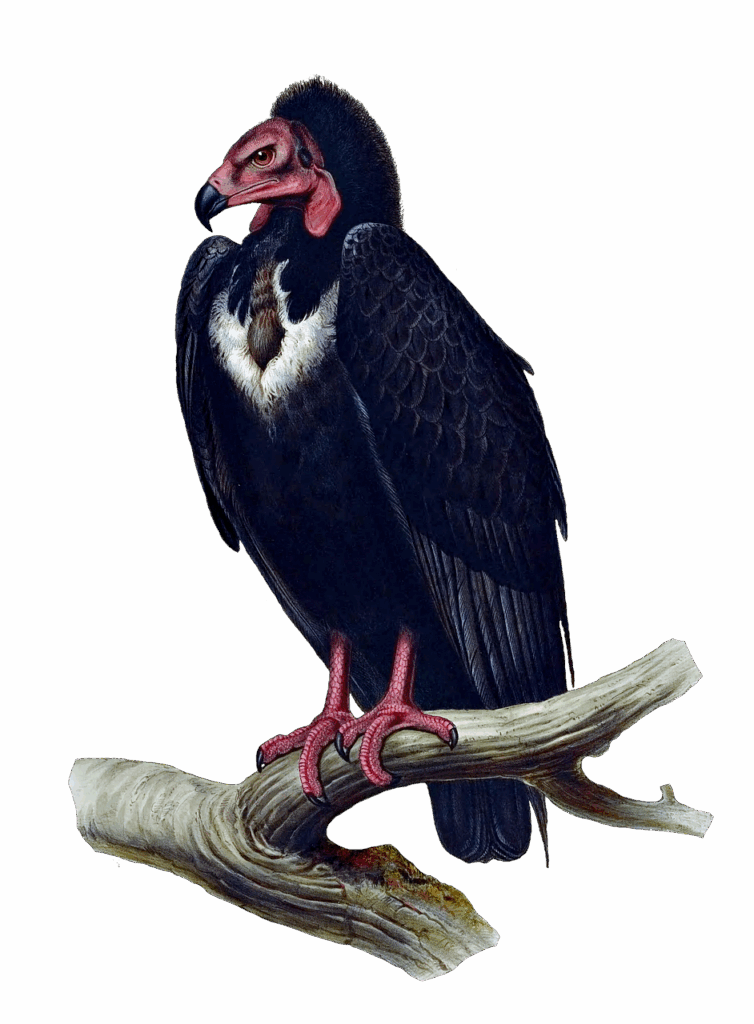
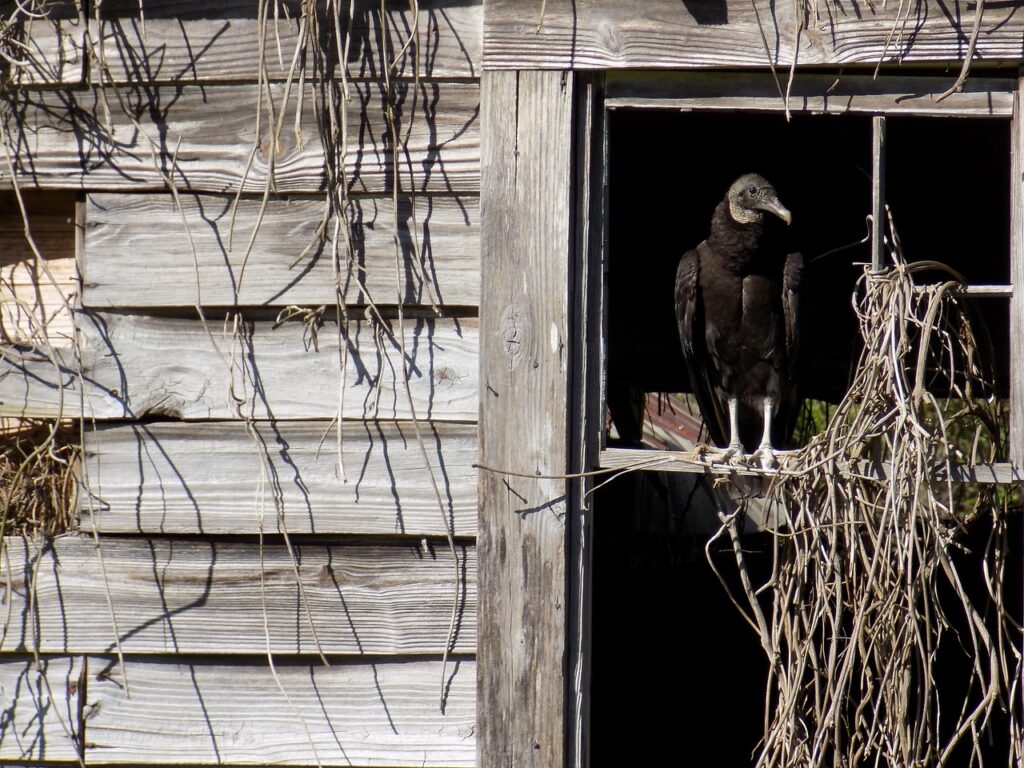
Farmers across the Midwest report attacks on newborn calves by black vultures – an aggressive, federally protected species expanding north due to climate change and mild winters. New legislation would allow farmers to shoot the birds without cumbersome federal permits.
Analysis. The story reflects climate disruption’s ripple effect through agriculture. While farmers push for relief, ecologists warn that killing vultures could worsen ecological imbalance by removing key scavengers.
“No Hire” Economy Leaves Workers in Limbo
The U.S. economy’s paradox deepens, as growth remains steady but hiring has stalled. Job seekers report hundreds of applications without offers.
Economists call it a “jobless boom” – few layoffs, yet a freeze on new hires due to uncertainty over tariffs, AI, and interest rates.
Analysis. The Midwest labor market reflects growing inequality between insiders (secure workers) and outsiders (job seekers). The “low hire, low fire” dynamic masks real pain under a deceptively low 4.3% unemployment rate.
Zach Lahn Enters GOP Gubernatorial Race with ‘Iowa First’ Slogan
Former Koch network operative and “Americans for Prosperity” state director Zach Lahn launched his campaign for governor, adopting Trump-style “Iowa First” branding and MAGA-red hats.
He vows to “defend family farms,” oppose abortion, and “remove indoctrination” from schools. Lahn promotes school choice and warns against “political ideology in classrooms.”
Analysis. Lahn’s rhetoric echoes Christian nationalist themes – faith, “family values,” and anti-elite populism — wrapped in localist language. His Koch connections and private-school ventures link him to the broader “education freedom” movement reshaping conservative politics.
AgWeb: How Farmers Preserve Grain Quality Over Winter
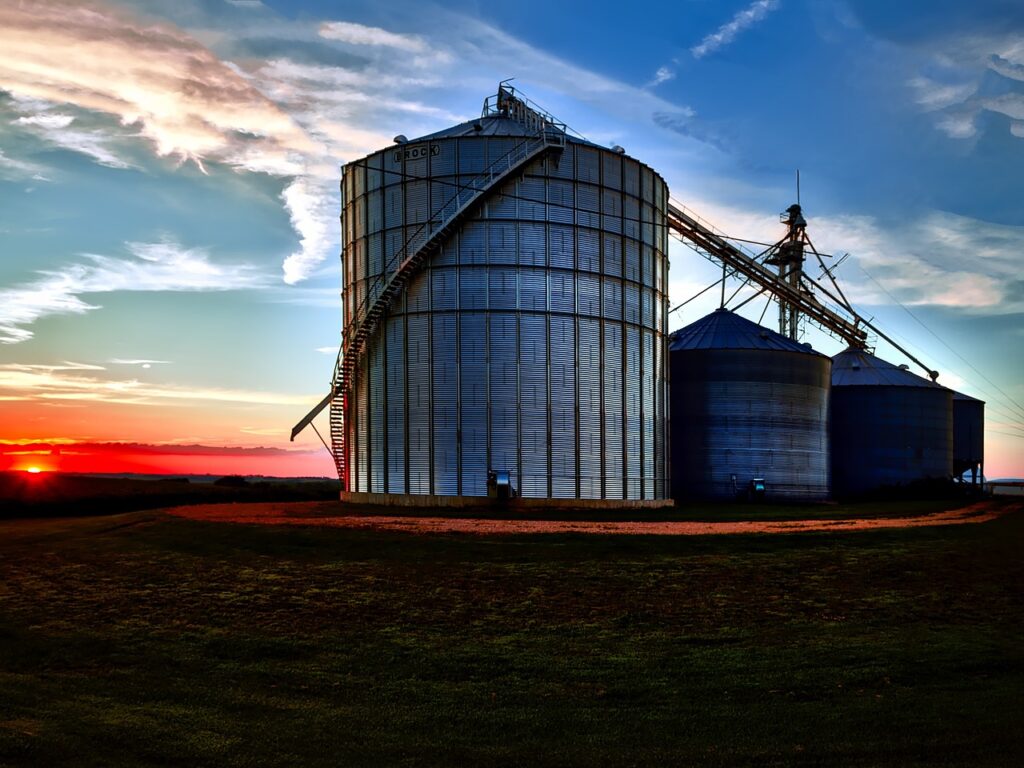
AgWeb shared key factors to maintain the quality of farm-stored corn and soybeans. Experts stress temperature (30–40°F) and moisture (13–14%) management to maintain corn and soybean quality in on-farm storage.
Another factor is that uneven bin temperatures will cause spoilage and insect issues, while excessive drying can reduce grain value.
Analysis. A purely technical but vital reminder for Iowa producers: post-harvest discipline is key to profitability in a volatile market.