Summary
Today’s Iowa411 set shows a single through-line – who gets protected, and who gets sacrificed. On Epstein, Iowa’s delegation talks tough on transparency; but only once Trump allows it.
On farm crises, we see farmers and rural communities bearing the cost of trade wars, health-care failures, and corporate-friendly policy.
In the Farm Bureau and federal whistleblower stories, the people who try to expose wrongdoing are punished while powerful institutions seek to silence them.
Tariffs are quietly rolled back only after families have paid the price at the checkout line.
The letters remind us that our political rules (primaries, RCV) and cultural choices (how we treat trans kids) either deepen the rot or open the door to something healthier.
Taken together, these stories are an invitation to connect the dots. It’s not random that farmers are going broke, whistleblowers are under attack, tariffs are used like PR stunts, and vulnerable kids feel expendable.
They flow from deliberate political choices – often made to please one man and his donor class, not the people of Iowa.
Deprogramming doesn’t start by shaming ideological radicals; it starts by calmly asking “Who is actually paying the price for these policies – and who is getting richer or more powerful off of them?”
Iowa Delegation Backs Epstein File Release – After Trump’s Pivot
The U.S. House of Representatives passed a bill 427–1 requiring the DOJ to release files related to Jeffrey Epstein. All four Iowa House Republicans – Miller-Meeks, Hinson, Nunn, Feenstra – voted yes.
None of them, however, signed the discharge petition that would have forced a vote earlier, despite weeks of pressure.
The Senate, including Iowa Senators Grassley and Ernst, approved the measure by unanimous consent and sent it to Trump.
Trump had previously tried to block the bill and called the effort a “hoax,” but shifted to supporting it once it became clear it would pass overwhelmingly.
Iowa Democrats blasted the delegation – especially Hinson and Nunn – for waiting until Trump gave the green light, accusing them of “delays and political games” and of protecting “the rich and powerful” as long as possible.
Our Take
This is a textbook example of following, not leading. Iowa’s Congressional Republicans now get to sound strong on “transparency” and “victims’ rights,” but only after Trump reversed course and the outcome was obvious. Their refusal to sign the discharge petition speaks louder than their final vote.
The political bind is real: If Trump later tries to delay or water down the release, their own words about “full transparency” and “no one being shielded” can be thrown back at them.
It also exposes how much of the GOP’s posture on “law and order” is conditional on whether the truth might embarrass their own donors, allies, or idols.
If there’s a gentle “deprogramming” message here, it’s this: watch what politicians do when it’s hard, not when it’s safe. When it required standing up to Trump, they stalled. When he flipped, so did they.
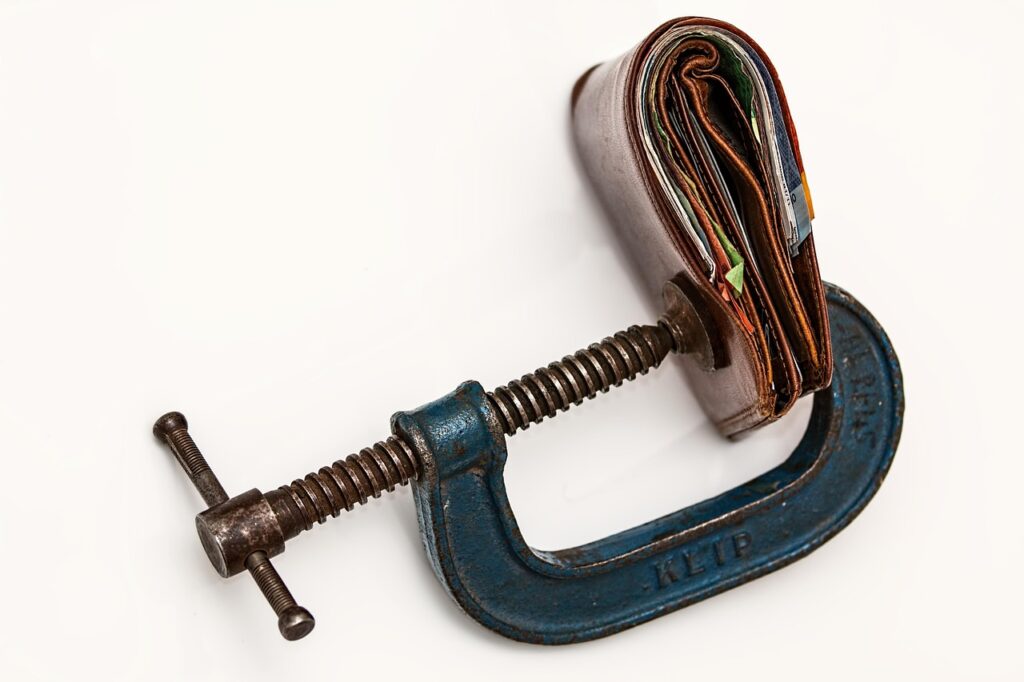
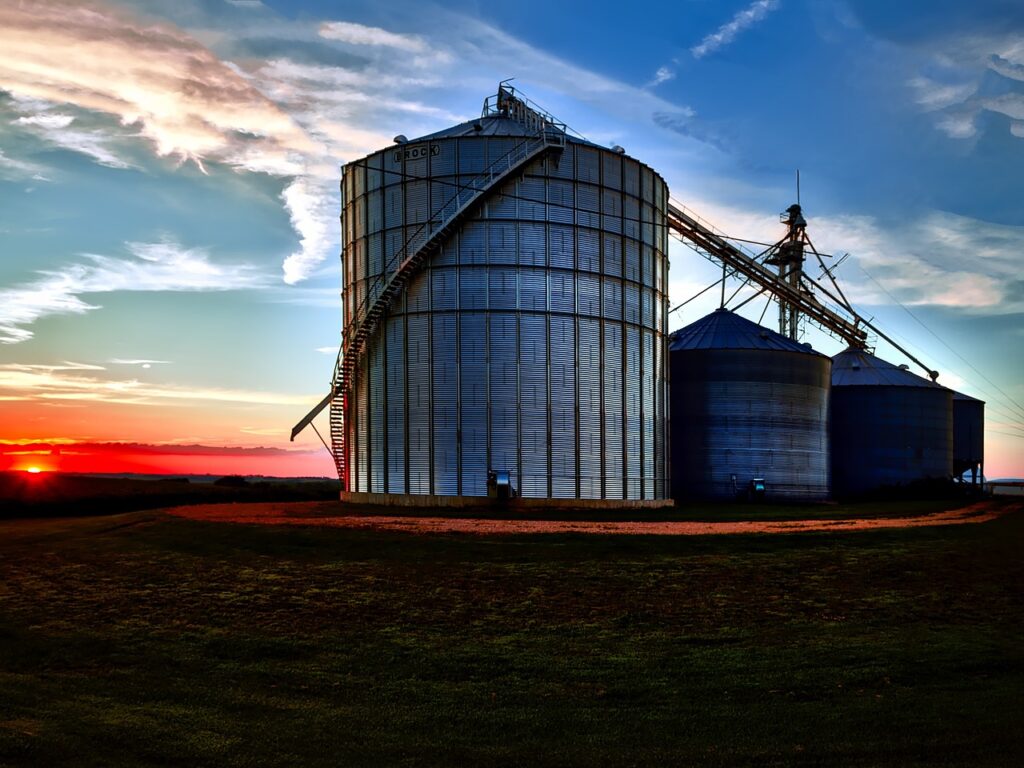
Farmer Bankruptcies Rising as Profits Fall and Debt Mounts
Farm bankruptcy attorney Joseph Peiffer says he is seeing “extreme financial distress” among Iowa farmers at levels not seen in years.
Iowa had the second-highest number of farm bankruptcies in the first half of 2025; Chapter 12 filings are climbing and are expected to increase as farmers meet with lenders.
Causes include three years of falling profits and high input costs, trade conflicts in Trump’s second term with China, Mexico, Canada and others, uncertain soybean demand and projected 24% decline in farm income in 2026, and rising interest rates and shrinking government support compared to previous bailout years
Hotlines and mediation services report surging calls and more complex cases involving millions of dollars, multiple parties, and even farmers voicing suicidal thoughts.
Farmers are burning through equity, restructuring loans (“rolling a snowball up a hill”), cutting costs, delaying maintenance, and sometimes rethinking whether the next generation can stay on the land.
Even with new trade deals and promised assistance, many lenders expect less than half of Corn Belt farmers to be profitable in 2026.
Our Take
This is not just a “tough year”; it’s a policy-driven squeeze on rural Iowa with trade wars and tariffs chosen for political theater have undercut export markets; the likely expiration of ACA subsidies will raise health-care costs for farm families who already operate on razor-thin margins; and years of pushing “get big or get out” have left farmers highly leveraged and deeply exposed to price shocks.
A gentle truth for readers: the farm crisis didn’t just “happen.” It’s what you get when you combine corporate power, volatile trade policy, and a shredded safety net. If we want fewer bankruptcies and fewer farmers talking about suicide, we can’t keep voting for the same policies that created this mess and then pretending it’s just the weather.
Former Investigators Accuse Farm Bureau Financial of Systemic Fraud Coverups
Two former senior investigators at Farm Bureau Financial Services (Newton and Meskimen) have filed a federal lawsuit alleging that the company routinely failed to report suspected fraud by agents and customers to state regulators, as required by law.
Misconduct ranged from agents writing policies after a client’s death, falsifying signatures, gaming commissions, and altering policies after damage occurred; and management allegedly refused to submit required fraud referrals and instead buried or misdirected evidence.
The “last straw” was a Nebraska fire claim, where a contracted adjuster allegedly broke into a policyholder’s garage, found items the customer claimed were destroyed, and the company then “scrubbed” the claim file and created a dummy claim under an unrelated Minnesotan.
Newton and Meskimen say they were fired after insisting they make mandatory reports to regulators, even if their superiors objected.
They accuse Farm Bureau entities and executives of conduct amounting to racketeering, unfair trade practices, and obstruction, and seek treble damages under RICO. Farm Bureau has not yet responded in court.
Our Take
This lawsuit strikes at the heart of Iowa’s rural power structure: Farm Bureau is not just an insurer; it’s a political force. The allegations suggest a long-running pattern where fraud is quietly absorbed into higher premiums paid by everyone else — policyholders and communities — while agents and executives benefit from more sales and commissions.
For decades, Iowa politicians (especially Republicans) have wrapped themselves in the language of “law and order” and “personal responsibility” while taking Farm Bureau checks and praising its “leadership.” Now we have insiders claiming the company ignored the law, hid evidence, and punished those who tried to follow the rules.
This is where Grassley-style whistleblower protections are supposed to matter. Which raises the obvious question: will Iowa’s delegation defend these whistleblowers when it’s Farm Bureau in the dock?
Trump Rule Would Strip Whistleblower Protections from Senior Federal Employees
The Trump administration is moving to finalize a rule that would remove whistleblower protections from senior federal employees in “confidential, policy making, policy advocating” roles.
These are precisely the people best positioned to see high-level corruption, waste, and abuse.
The administration claims protections still exist but would be enforced internally by agencies, not by independent mechanisms under current law.
This follows a broader purge: firing Biden’s pick to lead the Office of Special Counsel, nominating (then withdrawing) a replacement who bragged about a “Nazi streak,” and firing inspectors general in at least 17 agencies.
Lawyers warn that the change will make it much easier to fire high-level dissenters and will create a climate of fear and silence across the federal workforce.
Our Take
This proposal is a direct attack on the whistleblower system that Chuck Grassley spent decades building. You don’t have to be anti-Trump to see the danger: if the people closest to power can be fired or punished for speaking up, then the only “truth” that survives is whatever the boss wants.
Iowa Republicans love to cite “whistleblowers” when they’re attacking their political enemies. Now we’ll see whether they defend the actual legal protections or side with Trump’s effort to legalize retaliation from the top down.
For readers still on the fence: imagine the Farm Bureau case – but inside the federal government – with no way for senior insiders to safely report fraud or abuse. That’s what this rule is about.
Tariff Exemptions on Food Won’t Cut Prices Overnight
The Trump administration has exempted certain agricultural products (coffee, tea, fruit, juices, cocoa, spices, bananas, oranges, tomatoes, beef, fertilizers) from tariffs imposed on April 2. The move is framed as part of a push to address Americans’ anger over high grocery prices.
Experts say it’s “a step in the right direction,” but warn that existing inventory is still priced with tariffs baked in.
It will take time for new, tariff-free products to move through supply chains, and other forces like labor, weather, and herd size are also pushing prices higher.
Consumers may eventually see stabilization or modest relief, especially on high-turnover items, but not immediate price drops.
Our Take
This is a rare honest teaching moment: tariffs are a tax on imports – and ultimately on you, the consumer. They are not “paid by foreign governments,” despite what Trump and his allies have claimed. Importers pay the tariff, build it into their costs, and pass it on through higher prices.
The administration’s quiet rollback on some food tariffs is an admission that the earlier policy helped drive up grocery bills. Rolling back the tax may eventually slow or reverse some increases, but the damage of years of tariff chaos won’t vanish by Thanksgiving.
If we want to start “deprogramming” the cult logic, it begins here: whenever you hear “tariff,” read “hidden sales tax on your groceries.”
What Iowans Are Saying
Today’s Des Moines Register Letters to the Editor
“Iowa Should Have Open Primaries”
Ben Allen of Better Ballot Iowa argues Iowa should adopt open primaries, allowing all registered voters – including independents – to participate without changing party registration. He notes that about one-third of Iowans are effectively locked out of taxpayer-funded primaries.
He also calls for Ranked Choice Voting (RCV) to allow more than two candidates to advance and ensure winners have broader support. Allen frames these reforms as nonpartisan, common-sense changes that would shift power from party insiders to voters.
Our Take
This is exactly the kind of structural reform conversation Iowa needs. Open primaries and RCV don’t magically fix our politics, but they weaken the grip of the extremes and party bosses.
In a state where gerrymandered districts and closed primaries reward the loudest ideologues, giving independents a real voice and allowing voters to rank candidates would reduce “spoiler” fears, incentivize candidates to appeal beyond their base, and make it harder for a cult-of-personality politics to dominate.
If we want to nudge people out of radical ideologies and toward reality, one path is to change the rules so politicians must listen to more than just their most radical primary voters.
“Iowa’s Culture Is Rotten”
Gerald Ott reacts to a recent tragic story of a trans student’s suicide, arguing the “root cause” lies in the broader culture of Iowa schools, communities, and state politics. He criticizes anti-trans legislation, including the removal of gender identity from the state’s civil rights protections, calling it “theft.”
Ott contrasts the strong emphasis on “culture” in sports (team loyalty, family, discipline) with the failure to extend that same care and inclusion to marginalized students.
He argues that when the state actively undermines diversity, equity, and inclusion, it signals to vulnerable kids that they don’t belong.
His closing: “Demand better.”
Our Take
This letter names what many prefer to avoid: policy and rhetoric create culture. When leaders attack trans people, dismantle DEI, and normalize cruelty, the message trickles down into classrooms, locker rooms, and homes.
For a vulnerable kid, one hateful comment may be the “last straw” on top of a pile created by laws, sermons, and talk radio.
For Iowa411 readers, the gentle but firm truth is this: you can’t preach “Iowa nice” while cheering on policies that tell some kids their existence is a problem. The culture isn’t rotten because of trans students – it’s rotten when adults in power choose scapegoating over solidarity.