
Iowa’s Future: From Crossroads to Possibility
For more than a century, Iowa has been shaped by its land, its people, and its values.
Once regarded as a national model for public education, a backbone of American agriculture, and a place where hard work still meant opportunity, Iowa has long held an outsized place in the identity of the United States.
But today, the state stands at a true crossroads.
Across towns and cities, from rural communities to Des Moines, Iowans are facing a convergence of challenges: farm consolidation, shrinking rural populations, polluted waterways, rising health concerns, strained schools, unaffordable housing, workforce shortages, and a political climate that has become increasingly divisive.
Many residents feel a quiet sense of loss – as if the Iowa they knew is slipping away.
And yet, that same soil that tells the story of Iowa’s past also holds the seeds of a different future.
A New Agricultural Vision
For decades, Iowa’s landscape has been dominated by a simple formula: corn and soybeans, grown in vast monocultures largely driven by global commodity markets and ethanol demand.
While this system has produced high yields and international export revenue, it has also contributed to soil degradation, water contamination, habitat loss, market vulnerability, and economic instability for farmers.
A future-focused Iowa must think beyond the two-crop model.
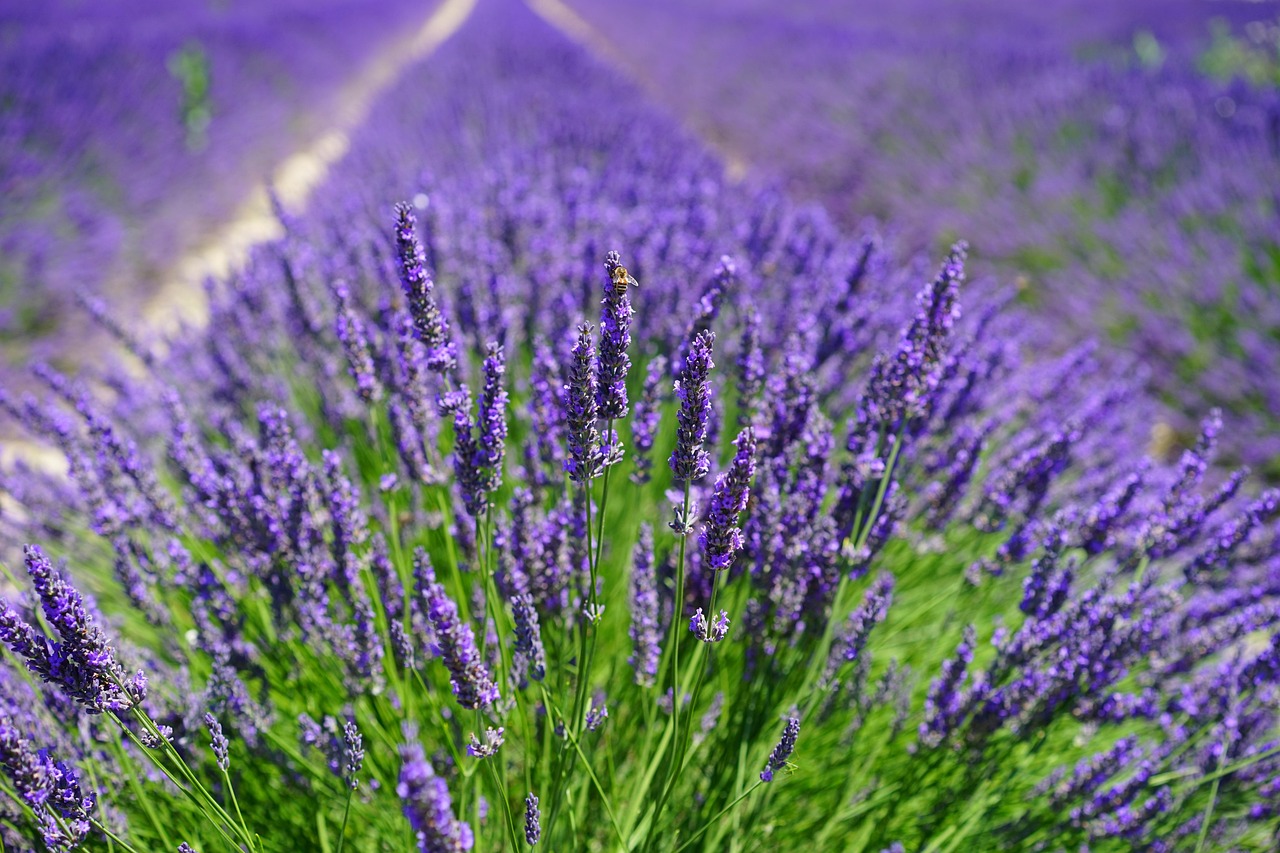
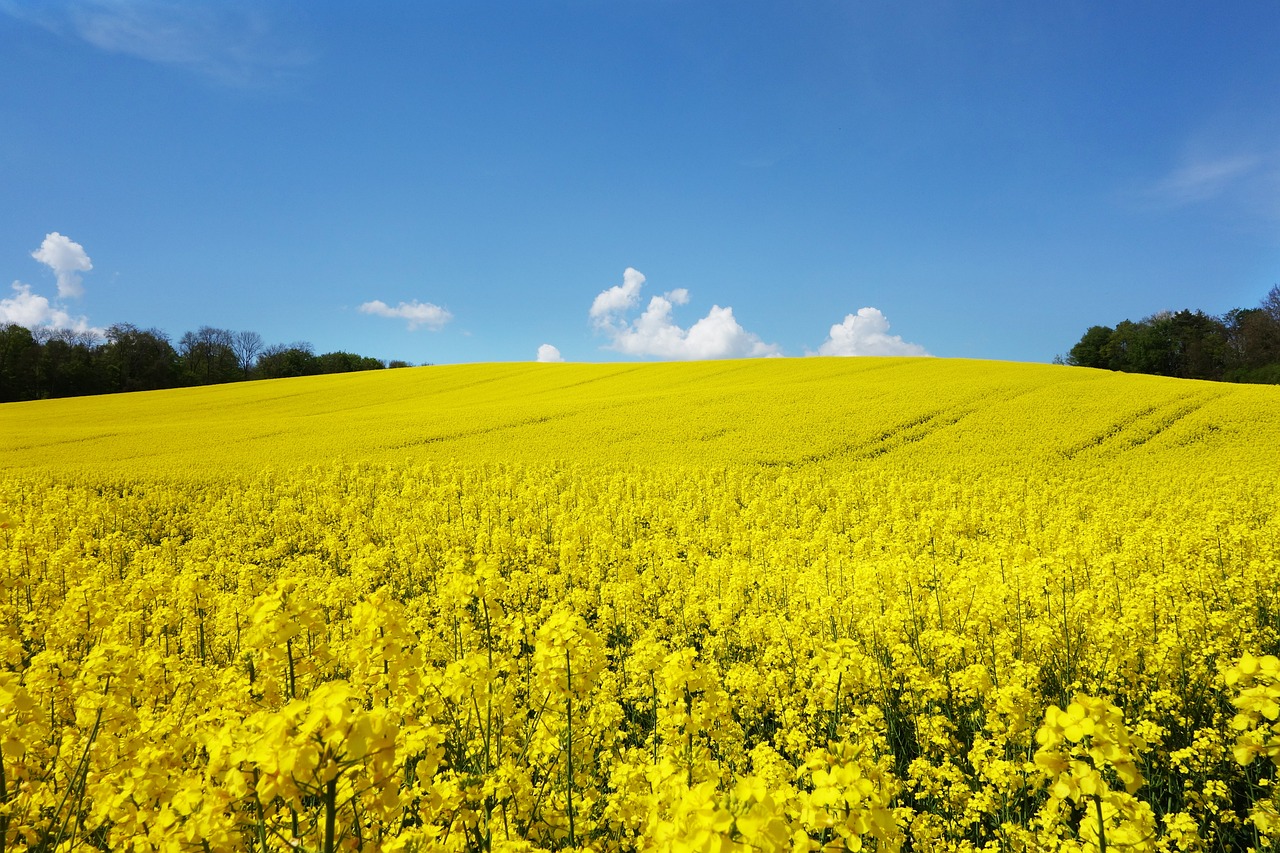
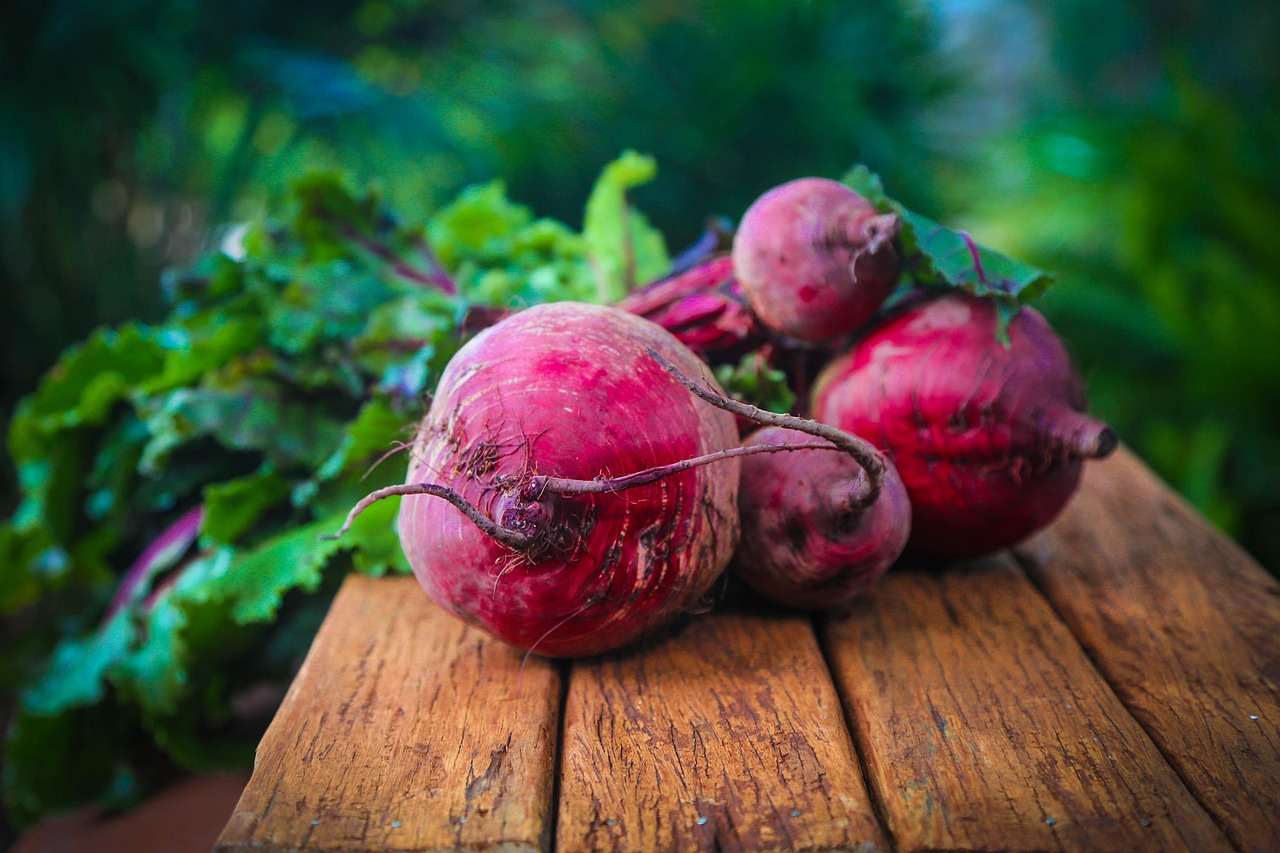
There is growing potential for diversified agriculture that includes small grains, perennial crops, regenerative practices, organic systems, agroforestry, food forests, and specialty crops for local and regional markets.
These approaches can restore soil health, protect water quality, strengthen biodiversity, and create new income streams for farmers – while reducing dependency on chemical inputs and volatile global markets.
In a changing climate, resilience will not come from bigger farms and bigger machines alone, but from smarter, more sustainable systems rooted in ecological balance and local knowledge.
Iowa has an opportunity to become a national leader once again – not just in production, but in restoration.
Clean Water, Healthy People
Few issues speak more directly to Iowa’s future than water.
Once home to clear rivers, fishing holes, and vibrant aquatic ecosystems, Iowa now faces significant challenges in water quality.
Agricultural runoff, inadequate watershed protection, aging infrastructure, and industrial contaminants have resulted in rising nitrate levels, toxic algae blooms, and growing health concerns in communities across the state.
These environmental realities are no longer abstract. They affect drinking water, recreation, public health, and long-term economic stability.
A healthier Iowa will require serious and sustained investment in water protection: stronger regulations, modern filtration systems, expanded wetland restoration, buffer zones, cover crops, and community-based monitoring.
But it will also require a cultural shift – one that recognizes water not as a resource to use up, but as a shared inheritance to protect.
Clean water is not a political issue. It is the foundation of life.
Education: Reclaiming a Lost Legacy
Iowa was once the gold standard of public education in America. Students across the country took the Iowa Test of Basic Skills, and the state was admired for its well-trained teachers, robust curriculum, and strong community support for learning.
Today, that legacy has faded.
Budget cuts, teacher shortages, shifting priorities, political intrusion, and the expansion of private alternatives such as vouchers and charter schools have strained the public system that once united Iowa’s children under a common promise of opportunity.
The future of Iowa depends on whether it chooses to invest in public education again: supporting teachers, modernizing facilities, strengthening vocational and technical pathways, and honoring education as a public good rather than a marketplace competition.
An educated population is not just an economic asset – it is the backbone of democracy, innovation, and social stability.
A Healthier Economy for Real People
Behind every statistic are families trying to make a living, pay bills, raise children, and stay afloat.
Iowa’s economy has long been shaped by agriculture and manufacturing, but today it must evolve to include clean energy, sustainable infrastructure, healthcare, technology, education, small businesses, and creative industries.
A thriving future means supporting workers, not just corporations – ensuring fair wages, accessible healthcare, affordable housing, and safe communities.
Economic development does not have to come at the expense of land, water, or people.
In fact, the strongest economies of the future will be those rooted in sustainability, fairness, and resilience.
Climate and Energy
Climate change is no longer a distant forecast. It is visible in stronger storms, erratic seasons, flooding, droughts, and rising temperatures.
Iowa cannot control the whole world – but it can choose its own path.
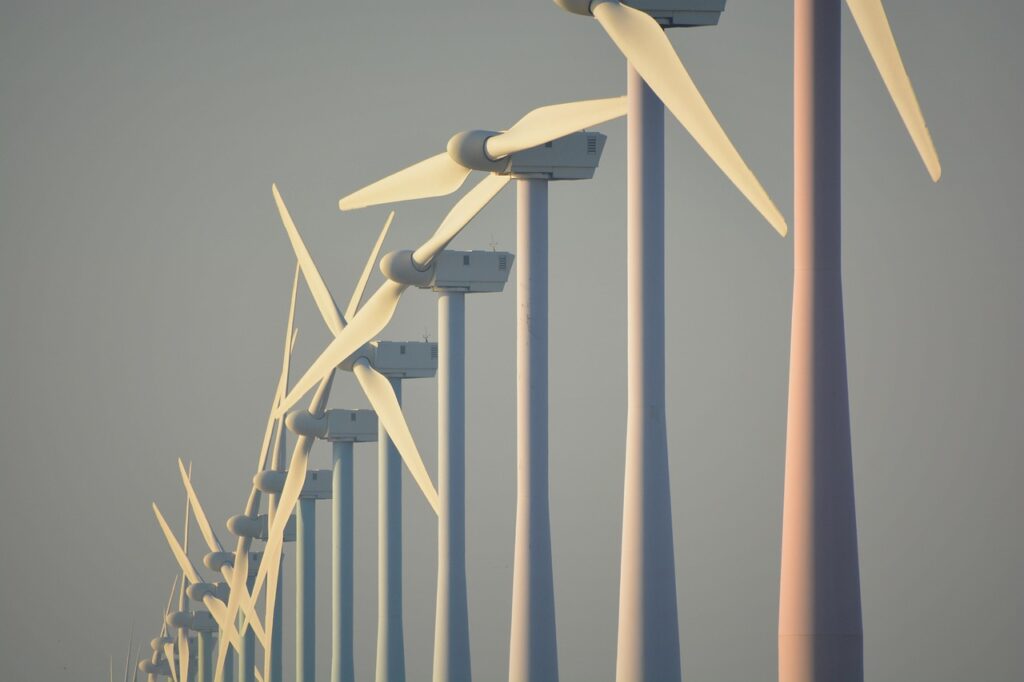
Wind and solar already play a major role in the state’s energy mix.
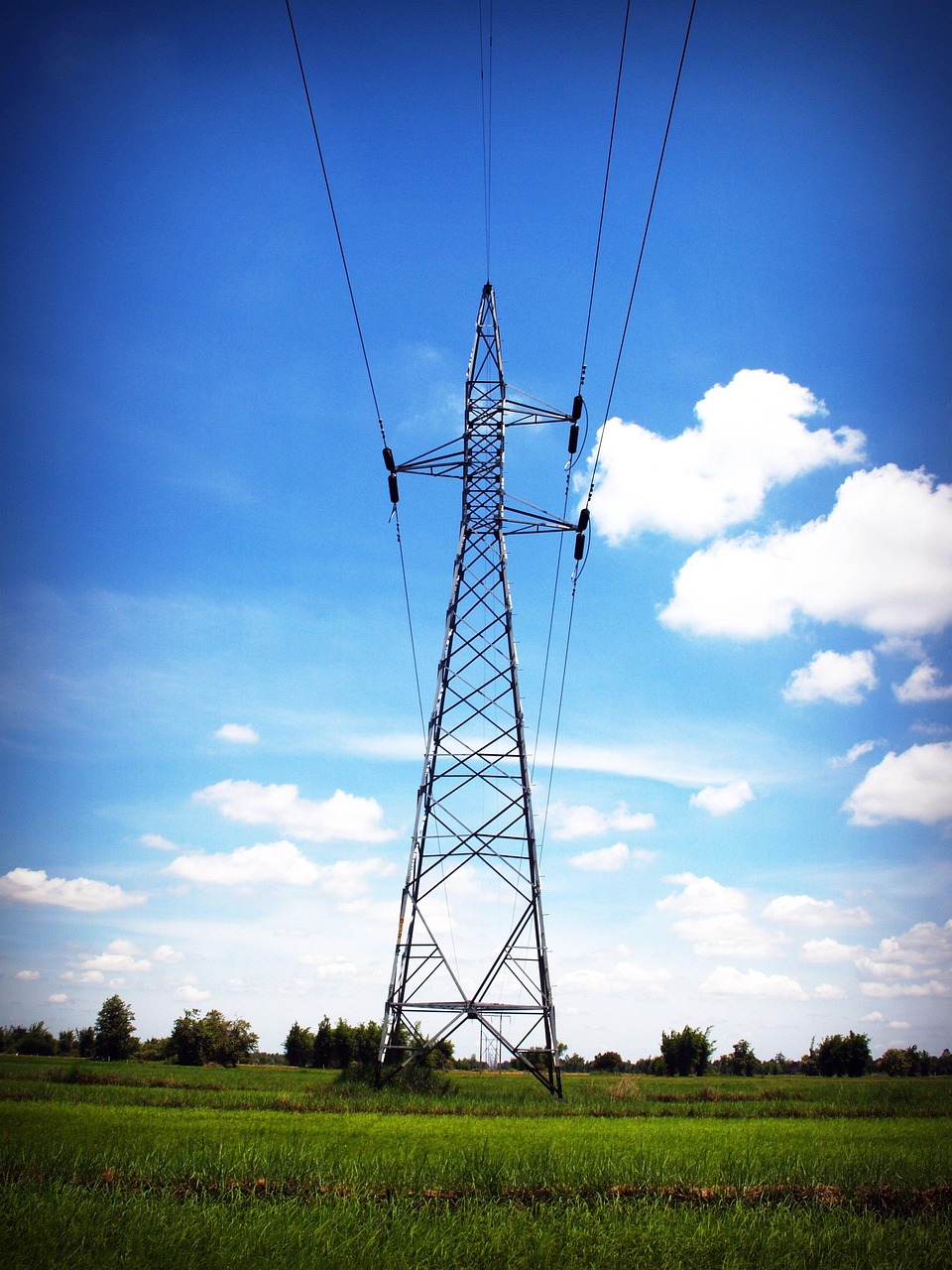
With the right vision, Iowa could expand modern renewable infrastructure, community-based energy projects, battery storage, grid modernization, electric transportation, and green jobs – while lowering costs and reducing pollution.
These investments are not just about the environment. They are about the children and grandchildren who will inherit this land.
Community, Culture, and the Iowa Spirit
Despite the challenges, one thing remains constant: the people of Iowa.
From farmers and teachers to nurses and mechanics, artists and students, newcomers and families who have lived here for generations – Iowa is held together not by politics, but by people.
The future of the state will not be decided only by lawmakers or corporations, but by citizens who care enough to imagine something better.
Local action, informed communities, shared storytelling, and civic engagement can shape a more honest, inclusive, and hopeful Iowa.
The path forward begins with awareness. It continues with courage. And it is sustained by collective will.
Iowa is more than what it has become. Iowa is what it chooses to be next.