Summary
Today’s stories share a common throughline: political decision-making continues to reshape – and often destabilize – Iowa’s economic, agricultural, and political landscapes.
The farm economy illustrates the deepest consequences. Trump’s tariffs pushed global buyers toward cheaper competitors, causing sustained damage that no one-time bailout can repair. Farmers now face delayed federal assistance, volatile cattle markets, and uncertainty about future trade commitments – all tied to unpredictable federal actions rather than market fundamentals. These conditions disproportionately hurt family farms and rural communities, already under stress from rising costs and shrinking margins.
At the political level, Iowa Democrats’ survey highlights a different kind of instability: a party eager to reclaim past influence but unwilling to fully reckon with past failures. Their desire to return to first-in-the-nation status contrasts sharply with their lack of specifics about how they will rebuild competence and trust.
Across all stories, two themes stand out. Politically driven unpredictability is harming Iowa families, farmers, and institutions. And short-term fixes and symbolic gestures are consistently substituted for long-term strategy and accountability.
For readers of Iowa411, today’s briefs underline the need for honest analysis, transparent leadership, and policies grounded in reality – not performative politics.
Farmers Call Trump’s $12B Aid a “Band-Aid” Fix
Farmers across the Midwest say Trump’s newly announced $12 billion aid package offers temporary relief but fails to fix the deeper economic issues caused by his tariffs, weak exports, rising input costs, and shrinking global market share.
Many growers report that commodity prices remain depressed while expenses keep climbing, and bankers say the uncertainty is making it difficult for farmers to secure loans for the next planting season. Analysts note the farm economy continues to face a prolonged downturn, with bankruptcy filings up and U.S. dominance in global markets – especially soybeans – eroding due to Trump’s trade wars.
USDA officials say future farmer assistance is uncertain and dependent on China upholding its agreement to purchase 12 million metric tons of soybeans by January 1. Farmers doubt payments – if they come at all – will arrive in time to influence 2026 planting decisions.
Our Take
This is yet another example of Trump manufacturing a crisis (tariffs) and then holding a press event to “solve” the problem he created. The $12B aid is small compared to farmers’ cumulative losses and overwhelmingly benefits large corporate farms, not family farms. Even worse, Trump’s trade war permanently redirected global supply chains to Brazil and Argentina — and then he quietly expanded Argentine beef imports while U.S. farmers struggled. The administration’s refusal to acknowledge its own policies as the root cause — blaming Biden instead — is pure political spin. Iowa farmers deserve long-term stability, not photo-op bailouts.
Aid May Come Too Late to Save the 2026 Planting Season
Even if the federal government follows through with additional assistance, farmers and bankers now believe any help will arrive too late to affect 2026 production decisions.
After aid calculations were delayed due to a prolonged shutdown, USDA acknowledges that market conditions have changed and trade negotiations remain uncertain. Farmers typically secure loans in winter, but lenders say they have no clarity on whether or when federal support will arrive – making it nearly impossible to assess risk or plan input purchases.
Our Take
This is another consequence of Trump’s governing-by-chaos approach: shutdowns, mixed signals, and delayed decisions that leave farmers in limbo. Agriculture runs on long planning cycles. Political unpredictability is poison to the farm economy. Even if aid comes, it does nothing to restore lost international markets, rebuild rural infrastructure, or provide predictable conditions family farms require to survive.
White House Beef Tariffs Create Chaos in Cattle Markets
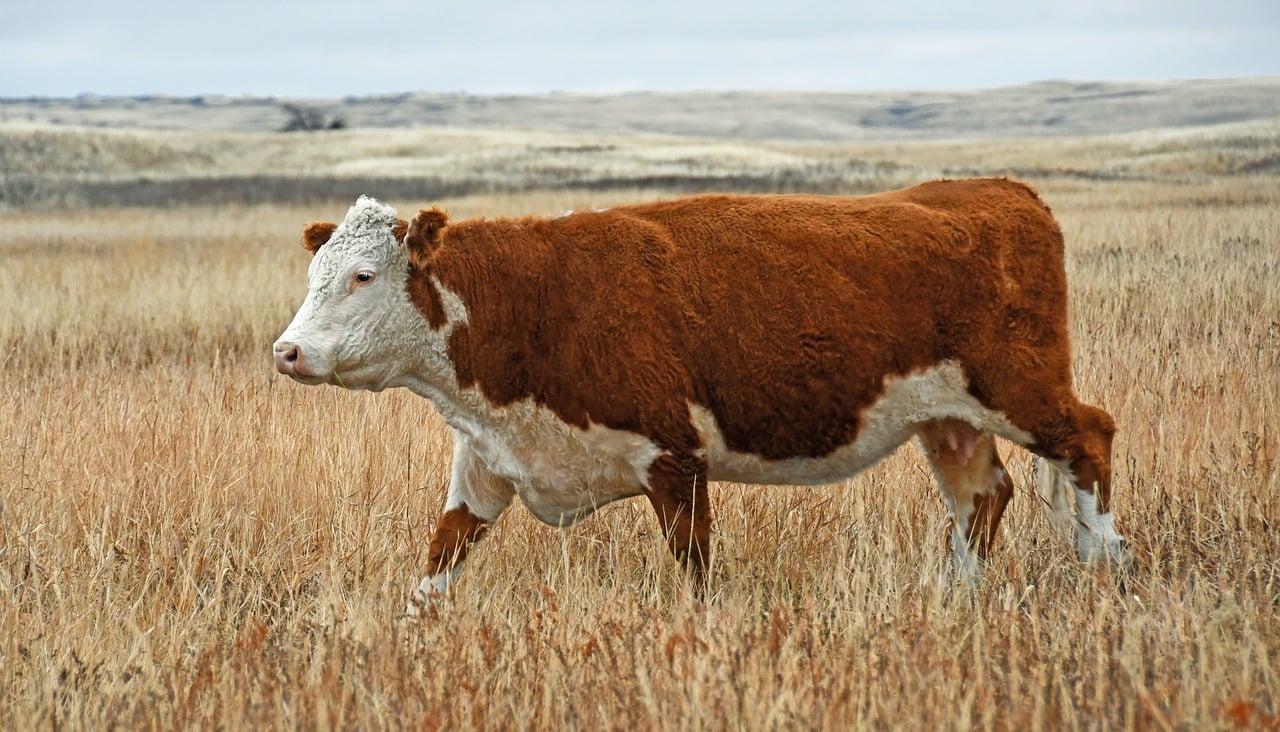
Trump’s erratic tariff decisions triggered wild swings in cattle markets. In August, the administration imposed a 50% tariff on Brazilian beef, causing futures prices to jump. But three months later, Trump abruptly canceled most tariffs and quadrupled Argentine beef imports, sending prices crashing. Analysts note the shifts were driven by political motivations tied to elections in both countries – not economic fundamentals.
When cattle prices collapsed, the administration announced a DOJ investigation into meatpacking “price manipulation,” though experts say the move appears symbolic. Industry data indicates packer margins remain deeply negative, suggesting the real motive for increased imports was to stabilize packers’ losses, not to protect ranchers or consumers.
Our Take
This is textbook political theater disguised as policymaking. Trump’s whiplash tariffs created artificial market volatility that harmed ranchers while benefiting large meatpackers. The sudden tariff reversals – conveniently timed around political events – reveal that agricultural policy is once again being used as a campaign tool rather than a strategic national priority. Iowa cattle producers deserve better than a rollercoaster economy designed for headlines, not results.
Iowa Democratic Party Releases Caucus Survey Results
About 750 Iowa Democrats responded to a survey about the future of the caucuses. While 65% want Iowa to retain an early role in the presidential nomination calendar, respondents are evenly split on whether the party should “go rogue” if the DNC denies Iowa an early slot. Survey results show uncertainty on how to balance accessibility, tradition, and national expectations.
The DNC removed Iowa from the early window after the disastrous 2020 caucus, when reporting failures embarrassed the state and undermined confidence. Although Democrats shifted to mail-in preference cards in 2024, it’s unclear whether the party has meaningfully addressed the root problems that led to the 2020 breakdown.
Our Take
This survey reveals wishful thinking rather than meaningful reform. Iowa Democrats want the prestige of first-in-the-nation status without acknowledging their past mistakes or demonstrating they can run a flawless caucus.
Technical failures, insufficient testing, confusing processes, and bad training decisions in 2020 made Iowa a national punchline. Until the IDP openly addresses what went wrong – and how they will fix it – hopes of regaining early status remain unrealistic.
Prestige must be earned.