We’re baaaccckk…
We’ve been quiet for a little over a week, but Iowa has not been. Today’s brief is a return to form with clear summaries, grounded analysis, and the stories that matter most to everyday Iowans. We didn’t miss the news; we’ve been watching, gathering, and sorting what’s signal versus noise.
And we plan to implement communication mechanisms to allow readers to express their points of view and respond to stories. Stay tuned.
Summary
When One Party Governs Alone, Iowans Absorb the Consequences
As Iowa Republicans advance a series of one-party legislative proposals, from property tax restructuring to historical archive consolidation and fire safety rollbacks, critics warn that concentrated power is producing policy choices that prioritize ideology over broad public interest.
Meanwhile, a rare bipartisan effort to curb dark money in politics highlights what collaborative governance could look like in Iowa.
Iowa Republicans Roll Out Competing Property Tax Plans. None Bipartisan.
Iowa Republicans have unveiled three separate property tax proposals from the Governor’s Office, House Republicans, and Senate Republicans, each promising relief for taxpayers but using markedly different mechanisms. House Democrats, meanwhile, have introduced a fourth plan from the minority.
Kim Reynolds proposes a 2% cap on local government revenue growth, delayed home reassessments, and targeted relief for seniors. The plan emphasizes spending restraint and local government efficiency grants but risks constraining cities, counties, and schools during periods of inflation or population growth.
House Republicans mirror the 2% cap but offer a $25,000 universal residential exemption instead of age-based relief. They also require 60% voter approval for property-tax-backed bonds, shifting more decision-making to ballots while limiting local flexibility.
Senate Republicans take the most structural approach: shifting full K-12 funding to the state, eliminating the rollback system, and creating large exemptions for primary residences—especially benefiting older homeowners with paid-off homes. This approach is bold but would significantly centralize fiscal responsibility at the state level.
House Democrats propose a 4% cap, direct rebates for homeowners and renters, expansion of the Homestead Tax Credit, and state assumption of public safety retirement costs—offering immediate relief without sharply limiting local government revenue.
Our Take
All three Republican plans share a common ideology. Limit local government growth first, sort out consequences later. None were developed collaboratively with Democrats, local governments, or public service providers.
While framed as taxpayer protection, the likely downstream effect is pressure on schools, rural services, libraries, public safety, and infrastructure, especially in communities with limited tax bases. This is governing by force of numbers, not consensus.
Senate Moves to Remove Iowa City Archive Mandate, Prompting Statewide Backlash
A Senate subcommittee advanced legislation that would eliminate the statutory requirement for the State Historical Society of Iowa to maintain a research center in Iowa City, effectively clearing the path for permanent closure of the 168-year-old facility.
Supporters frame the move as budget realism. Opponents that include historians, preservationists, donors, and bipartisan lawmakers argue the state is changing the law after acting unilaterally, undermining public trust and access to irreplaceable records.
A competing bipartisan House bill would require continued operation of both Des Moines and Iowa City facilities.
Our Take
This fight is not just about location or budgets – it’s about control of public memory. Concentrating archives under one administrative roof makes future access, interpretation, and prioritization more politically vulnerable.
Whether intentional or not, this mirrors national efforts to centralize historical narratives in ways that can marginalize inconvenient facts. History belongs to the public, not to whichever party holds power.
Senate Bill Would Remove Fire Sprinkler Requirement for Some Townhomes
A Senate subcommittee advanced a bill removing mandatory fire sprinkler requirements for townhome developments with six units or fewer, overriding local building codes in the name of housing affordability.
Fire chiefs, safety advocates, and cities warn the change would reduce inspections, increase fire spread risk, and endanger both residents and volunteer firefighters. These would be especially serious in rural areas with longer response times.
Developers and real estate groups support the measure, arguing sprinkler systems increase construction costs without meaningful insurance savings.
Our Take
This is a familiar pattern: cost savings for developers, risk transferred to residents and first responders.
The absence of data that would demonstrate meaningful affordability gains raises questions about whose interests are driving the bill. Rolling back safety standards is a policy choice. One that disproportionately affects people with the fewest alternatives.
Bipartisan Effort Seeks to Remove Dark Money from Iowa Politics
In a rare bipartisan moment, Sens. Zach Wahls and David Sires introduced a proposed constitutional amendment to bar corporations from participating financially in Iowa elections, directly challenging the legacy of the Citizens United Supreme Court decision.
The proposal would require approval in two legislative sessions and a statewide vote before becoming law.
Our Take
This is how a functioning democracy should look. Lawmakers across parties identifying a shared problem and proposing a transparent solution that benefits Iowans.
Whether it advances or quietly stalls will be a revealing test of whether Iowa’s supermajority truly wants accountability, or merely control.
Extreme Cold and Blowing Snow Expected Across Iowa
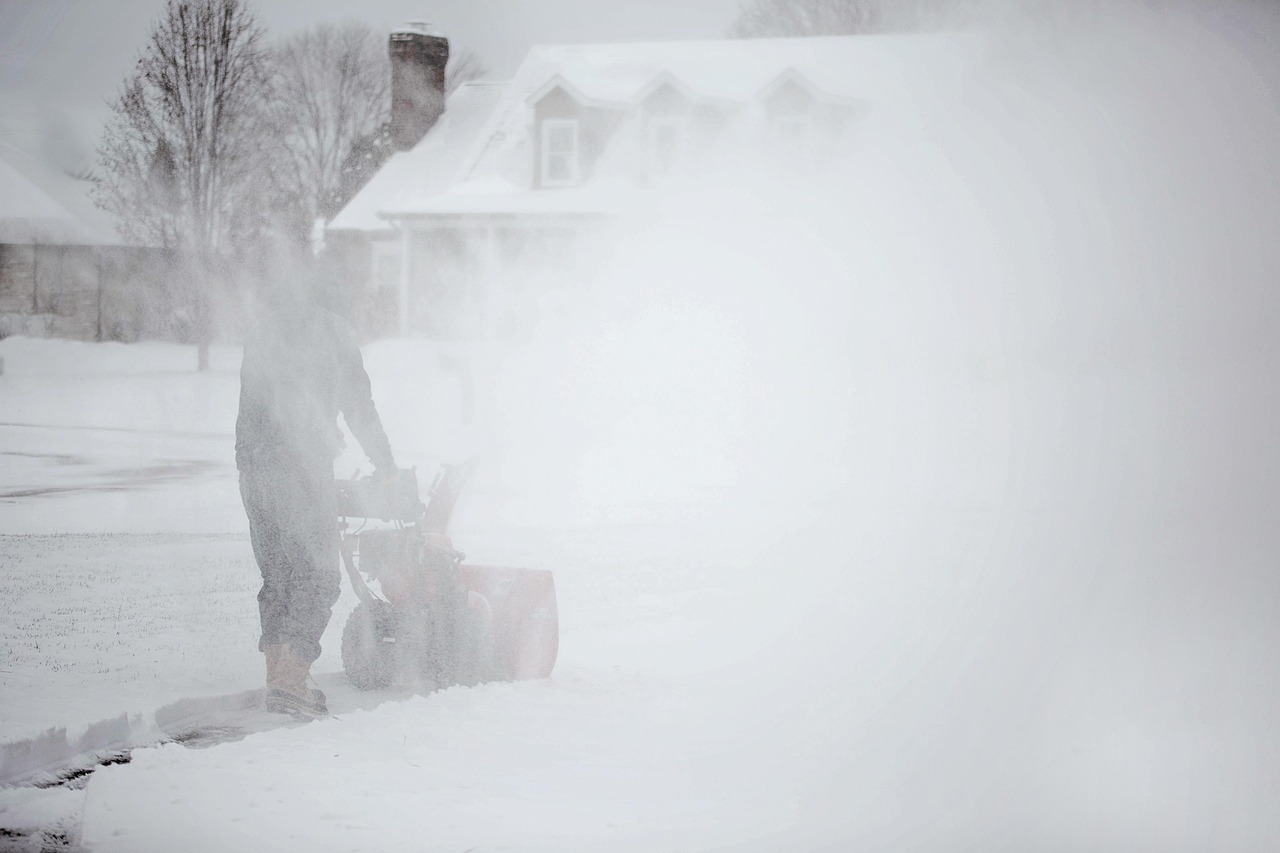
The National Weather Service has issued an extreme-cold watch for much of Iowa, with wind chills ranging from 13 to 38 degrees below zero from Thursday night through Saturday morning. High winds may cause blowing snow and hazardous travel conditions.
Residents are urged to limit exposure, prepare vehicles, and check on vulnerable neighbors.