Summary
Today’s Iowa411 news briefs show a political environment shaped by a familiar pattern that includes centralization of government control paired with narrative management. Whether the subject is local government, public trust, or economic conditions, the dominant strategy is less about solving problems and more about controlling the framing and the institutions that shape public perception.
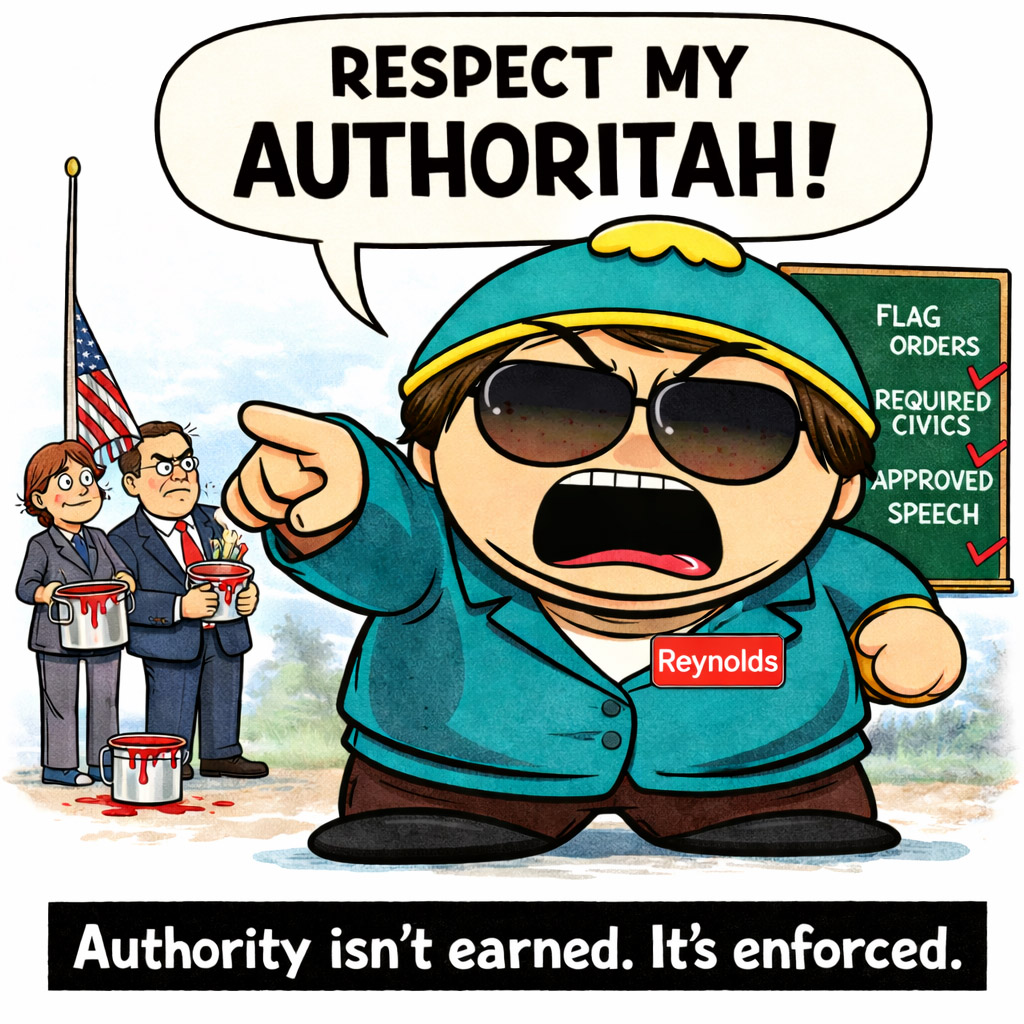
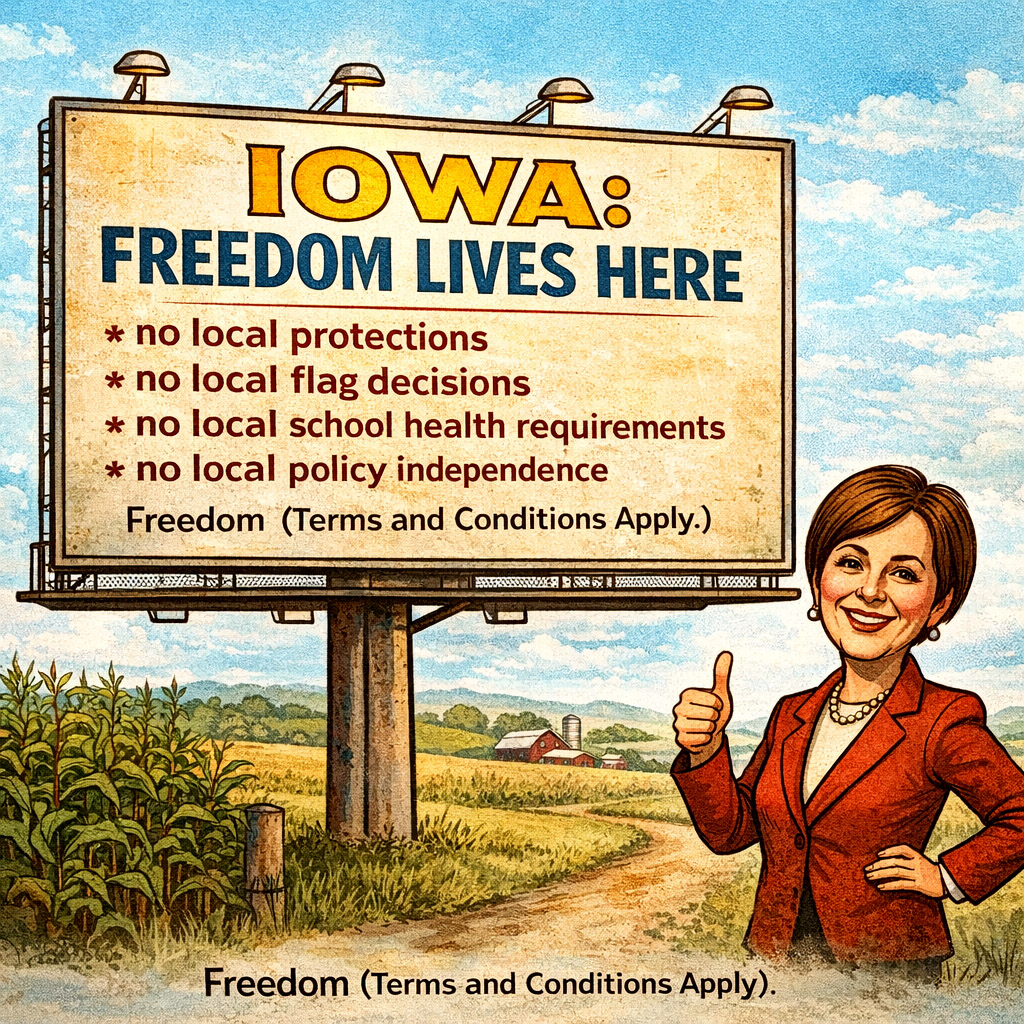
In Iowa, the township bill is a classic example of “reform” by removal. Instead of working with counties and residents to modernize rural governance and gain efficiencies where needed, lawmakers are moving toward a sweeping statewide restructuring that eliminates township authority altogether. Even if some consolidation could improve efficiency, the method matters: a lazy, sledgehammer top-down elimination of local authorities is not good government, it is a ham-handed method of asserting and expanding state control.
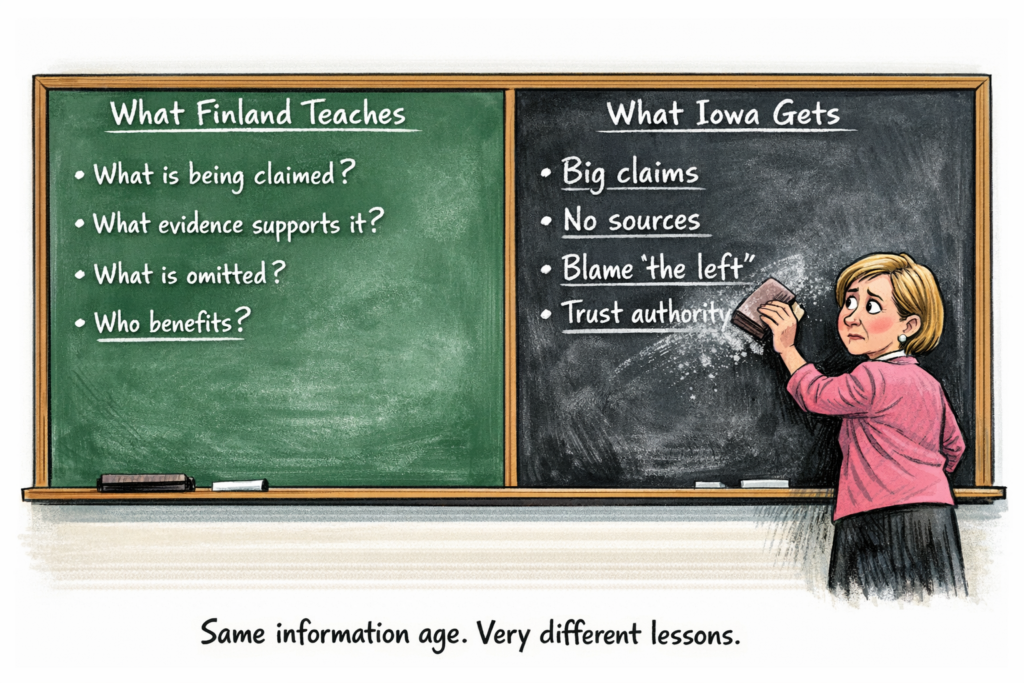
A guest opinion column published in the Des Moines Register represents the cultural counterpart to that same approach. It uses propaganda-style persuasion techniques to redefine political opponents as enemies of America itself. That kind of writing is not designed to inform voters, it is designed to harden tribal identity, justify retaliation, and make the public more tolerant of institutional crackdowns.
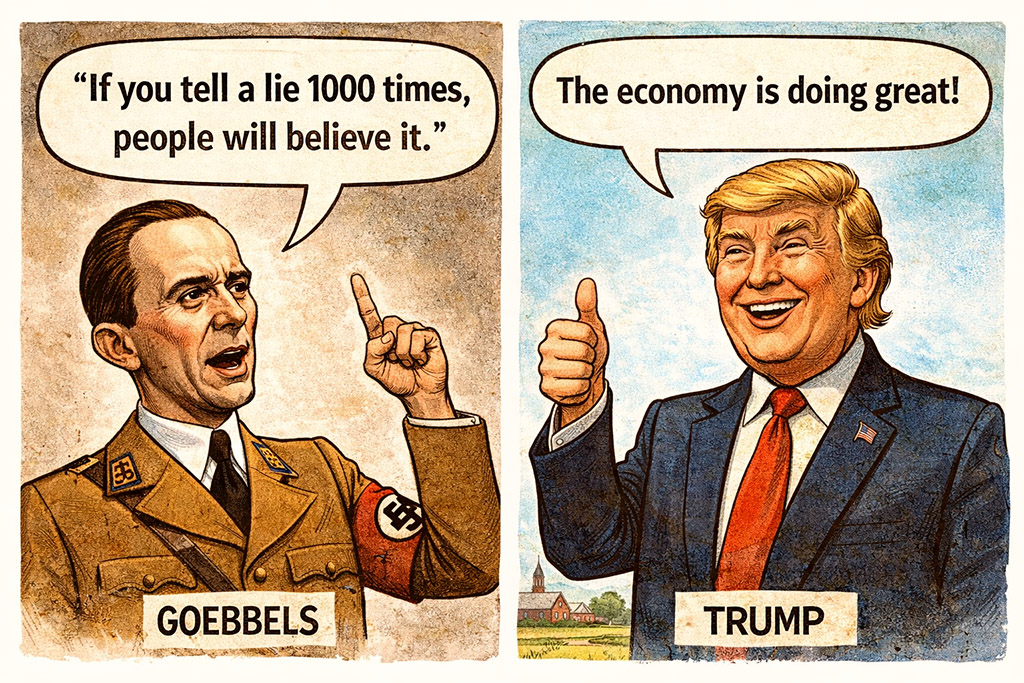
Finally, the Reuters analysis shows how narrative control operates at the national level. Trump’s economic messaging repeatedly declares inflation defeated, while the lived experience of voters remains high prices and financial stress. When the public feels economic pain as leaders insist everything is fine, political trust erodes. And once trust erodes, manipulation becomes easier.
In different ways, all three stories reflect the same civic risk: when leaders rely on power, propaganda, and messaging discipline instead of evidence, transparency, and democratic process, democratic culture weakens. And when democratic culture weakens, authoritarian impulses become easier to normalize.
Iowa lawmakers consider bill stripping townships of duties
Iowa lawmakers are advancing a proposal that would effectively dismantle township governance across the state, shifting most township responsibilities to county supervisors. The bill would eliminate township trustee boards, transfer duties such as budget approvals, levy certifications, and administration of township funds to counties, and remove most township authority from Iowa code while keeping township boundaries for survey and property description purposes.
Supporters argue the change could increase oversight and efficiency, especially given that some township elections draw very small turnout and that township operations vary widely.
But critics warn the proposal is a sweeping top-down restructuring of local government without sufficient public discussion, local votes, or county-by-county analysis. County and municipal associations registered as undecided, noting that consolidation may work differently in counties dominated by a single urban center versus rural-heavy counties.
Our Take
There is a legitimate conversation to be had about township-level governance in 2026. Some townships are essentially inactive, while others still perform important rural functions like cemetery upkeep, fencing disputes, and emergency service coordination. But this proposal reflects a recurring pattern at the Capitol: state lawmakers attempting to “solve” local governance by eliminating it.
If the issue is efficiency, the logical path would be targeted reform: county opt-in pilots, public votes, service impact studies, and clear transition plans. Instead, Iowa lawmakers appear poised to impose a one-size-fits-all restructuring on 1,600 townships with minimal public process. That is not reform, it is centralization.
Iowa Newspaper Publishes Opinion Column Claiming Democrats Are Intolerant, “Marxist,” and Anti-American
A guest opinion piece published in the Des Moines Register this morning argues that Democrats and progressive activists have become fundamentally intolerant, increasingly “Marxist,” and hostile to free speech, Christianity, and American identity. The author presents his personal political history that includes former involvement with Ralph Nader and the Iowa Green Party as evidence that he understands progressive politics firsthand before shifting to support Donald Trump.
The column alleges that modern Democratic activists engage in speech suppression and civil disruption, while conservatives now represent the true defenders of free expression, traditional culture, biological definitions of gender, and national unity. It also includes claims about anti-white prejudice, liberal hypocrisy regarding billionaires, and a broader argument that the political divide is no longer about differences in policy, but about whether one side “loves America” at all.
Our Take
This piece is a textbook example of modern ideological persuasion writing. It relies heavily on sweeping generalizations, loaded labels (“Marxist”), and selective examples to portray an entire political party as a cultural enemy rather than a political opponent. It makes broad claims with little supporting data, frames contested issues as settled moral facts and avoids any meaningful acknowledgment of extremism or intolerance on the political right.
As part of our ongoing efforts to expose false propaganda through an emphasis on basic critical thinking skills, Iowa411 has published a separate deconstruction and analysis of the column as a case study in how propaganda-style opinion writing works, and how quickly it collapses under basic critical thinking, definitions, and evidence-based reasoning.
Mixed Messaging: Trump declares inflation beaten, but prices still strain many Americans
A Reuters analysis of President Donald Trump’s recent economic speeches finds a repeated pattern of claims that inflation has been “beaten” and that prices are “falling,” even as many everyday costs remain elevated and voters continue to report financial strain. The review found Trump made these assertions dozens of times across five speeches since December (including Iowa in January), while rarely acknowledging the persistent affordability problem.
Reuters reports that Trump’s speeches frequently shift into unrelated grievances and culture-war topics, and Republican strategists say the economic denials risk weakening the party’s credibility on the economy ahead of the November midterms. While inflation has cooled to the high-2% range (essentially the same it was before Trump took office), economists emphasize that a lower inflation rate does not mean prices are falling, only that prices are rising more slowly. The article notes that while gas and eggs have dropped, staples like beef and coffee remain significantly higher.
Our Take
This story highlights a critical distinction that many politicians rely on voters not understanding, that inflation slowing is not the same thing as prices going down. If wages rise slowly while food and housing remain high, families experience the economy as harsh regardless of what headline inflation reports say.
The other key issue is political messaging. When leaders repeatedly declare victory over affordability while voters still feel squeezed, it creates a credibility gap that becomes fertile ground for scapegoating, grievance politics, and culture-war distraction. A president can’t talk people out of their grocery bills, no matter how many times he repeats false statements. Eventually, reality will win.