Summary
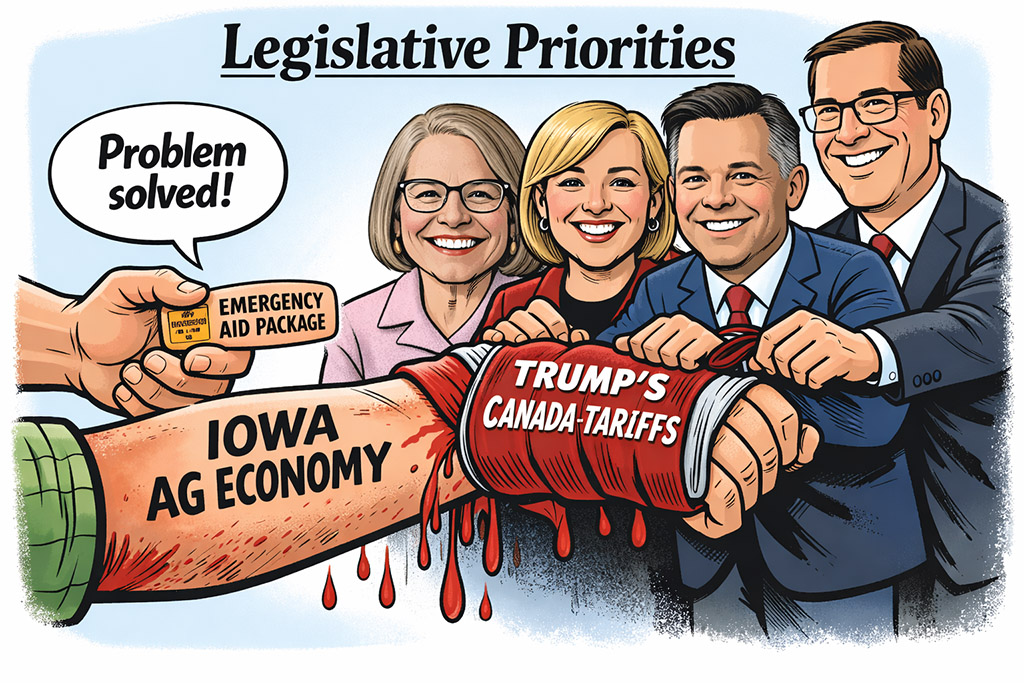
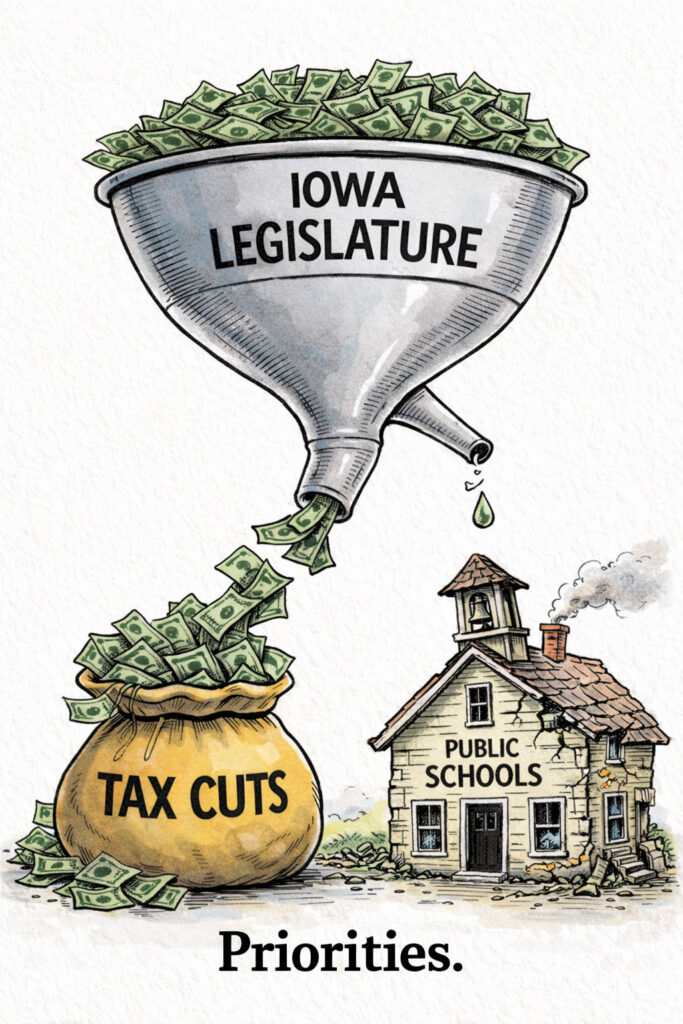
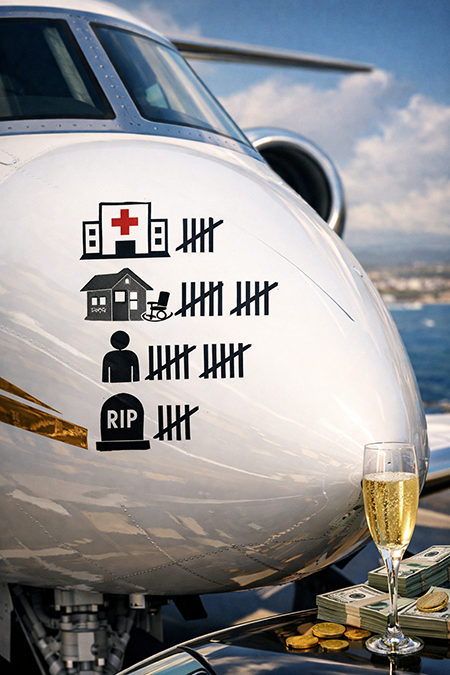
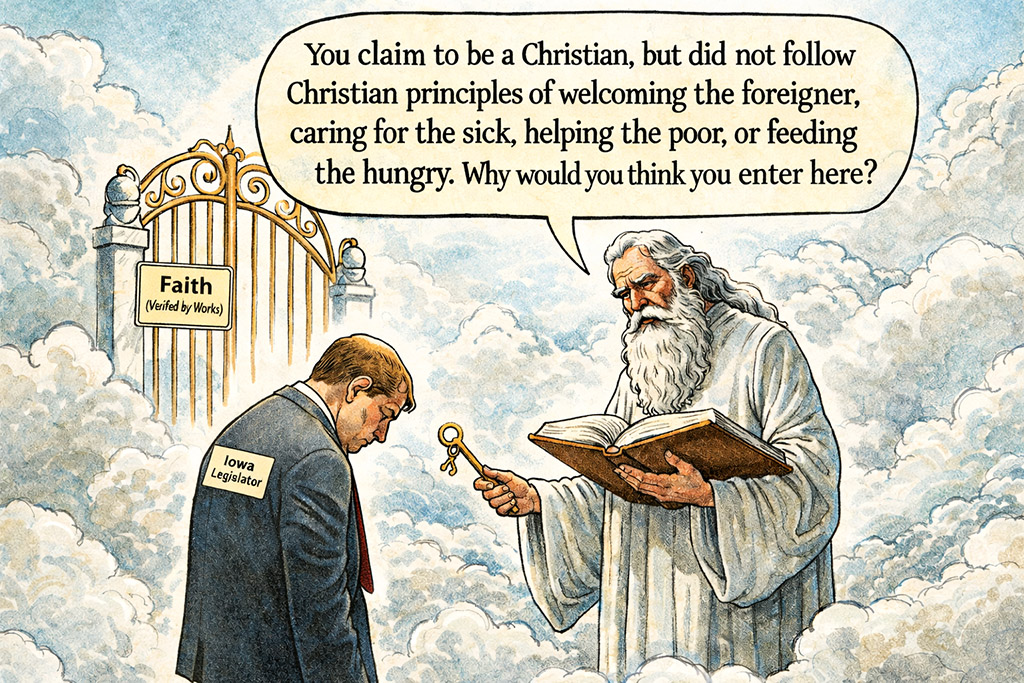
Taken together, today’s stories reveal a clear pattern in Iowa politics: the state’s dominant political energy is being directed downward toward the poor, toward immigrants, toward educators, toward librarians rather than upward toward the powerful.
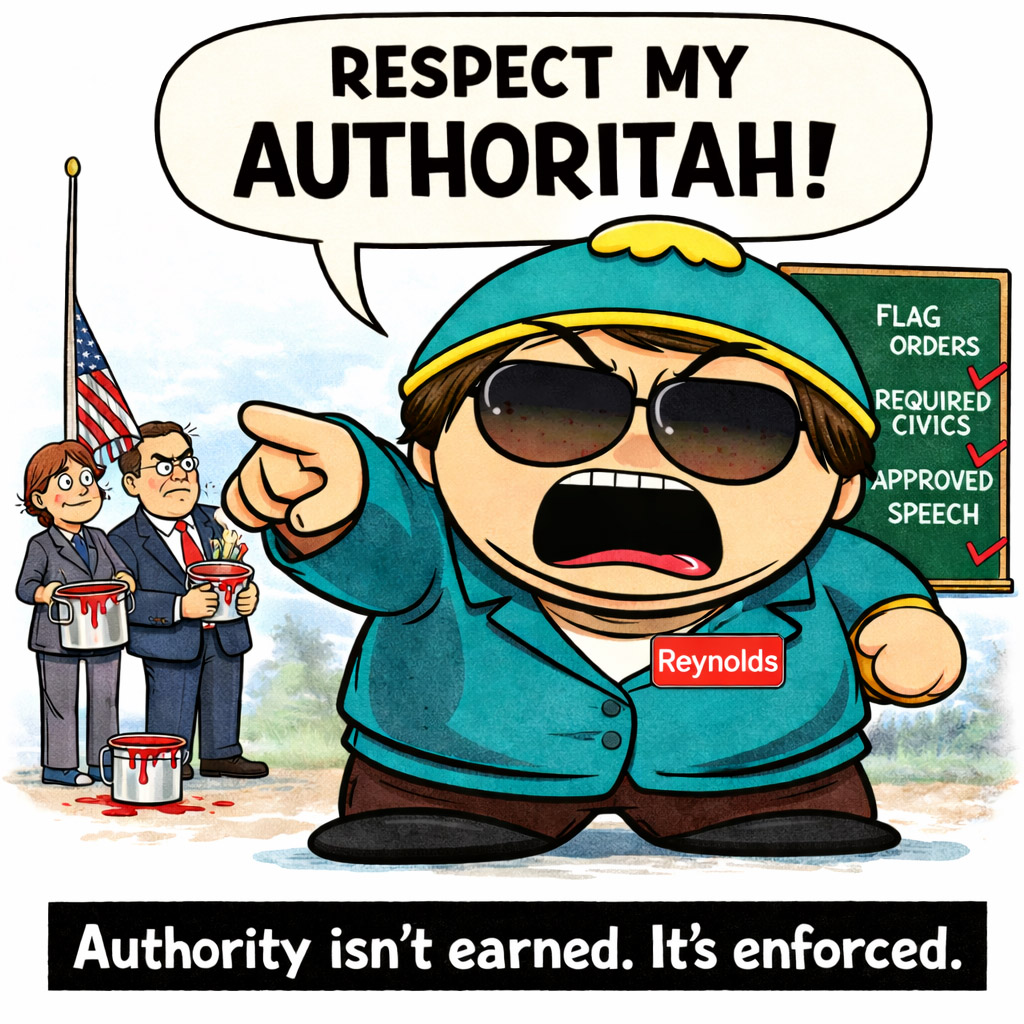
On one track, lawmakers are tightening the rules around SNAP and WIC, making food assistance harder to use and easier to stigmatize, while justifying it with broad claims of “fraud and abuse.” On another track, they are expanding control over public institutions that shape knowledge and civic life: schools, universities, and libraries. The common thread is not efficiency or public safety. The common thread is control. Cultural control, institutional control, and narrative control.
Even the vandalism of a refugee nonprofit director’s home fits the same ecosystem. When government rhetoric frames vulnerable groups as threats and public service as suspicion-worthy, the public absorbs the message. It emboldens people to “act”, sometimes violently, in defense of a distorted moral order.
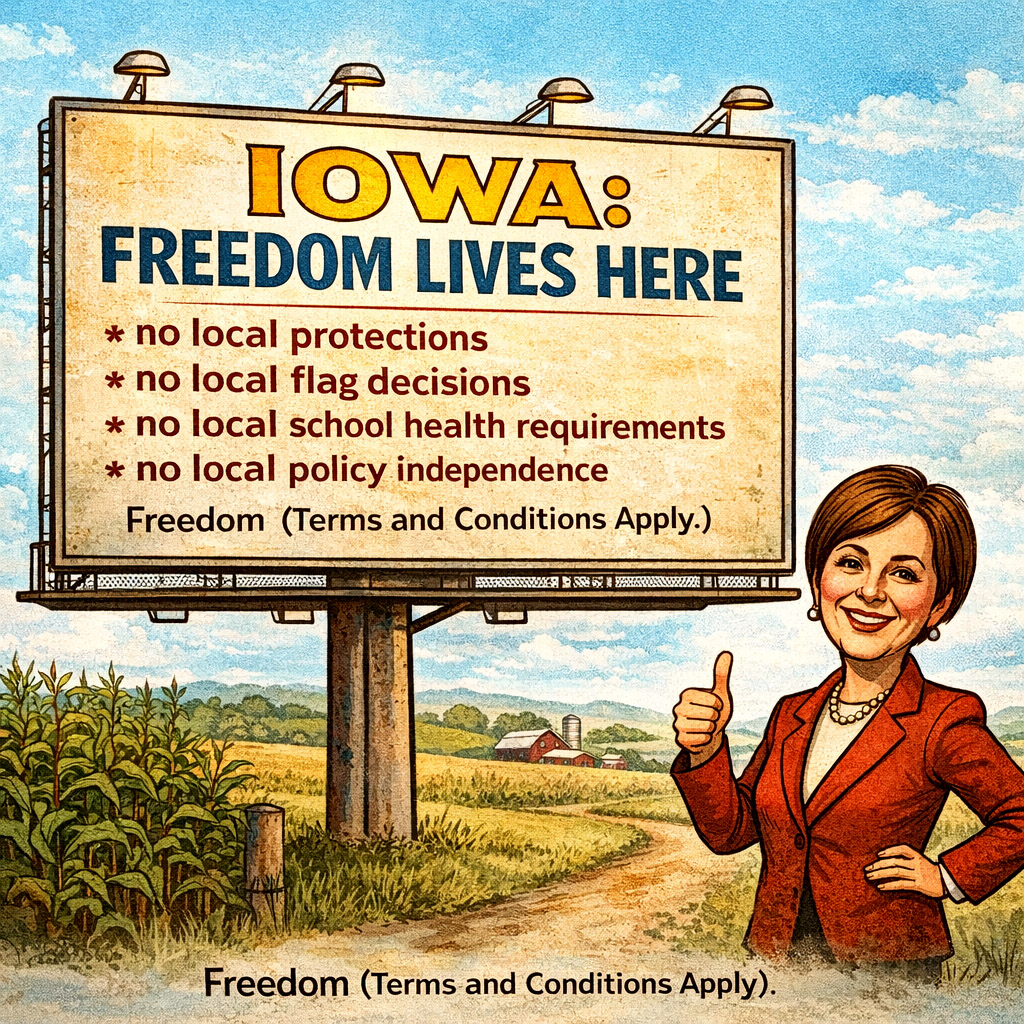
Iowa is being asked to accept cruelty as reform, censorship as protection, and bureaucracy as virtue, all while real crises (health care access, rural decline, wages, housing, water quality, corporate consolidation) remain unresolved. This is not just politics. It is a slow restructuring of what Iowa believes it is.
Iowa Republicans Target SNAP and Public Assistance Eligibility (HSB 694 and HSB 696)
Iowa Republicans are advancing two bills that would reshape public assistance eligibility and rules, especially for SNAP and WIC. One bill, backed by Gov. Kim Reynolds, would require Iowa to continue seeking a federal waiver that restricts SNAP purchases of items deemed “unhealthy,” such as pop and candy, and restricts some prepared foods. The waiver took effect Jan. 1 and has already created confusion for recipients and advocates, who say the restrictions are inconsistent and difficult to interpret.
Advocacy groups argue the waiver has turned SNAP participants into de facto “tax code experts,” with some surprising exclusions such as Pedialyte, certain fruit cups, yogurt-covered raisins, and prepared sandwiches depending on packaging. Critics urge lawmakers to wait for the two-year evaluation before making the waiver permanent. There is also concern that Iowa’s participation in Summer EBT could be jeopardized if the waiver is not renewed federally.
The second bill (HSB 696) would impose immigration status restrictions on WIC (excluding undocumented people as well as some legally present groups such as TPS and DACA), add a 12-month Iowa residency requirement for several benefits, and expand citizenship verification rules. Iowa Catholic Conference leaders opposed the WIC restrictions, emphasizing the harm to children and mothers.
Our Take
This is policymaking by stigma. SNAP and WIC are not “luxury programs,” they are nutritional lifelines for children, pregnant mothers, and working families. If the goal is healthier diets, Iowa should be investing in food access, education, and affordability, not creating a confusing compliance maze that punishes people for buying the “wrong” yogurt or a fruit cup with a spoon.
The rhetoric about “sanctuary states” and “waste, fraud and abuse” is political branding, not evidence-based governance. If lawmakers are truly serious about fraud, they should focus on where the money is: provider fraud, tax evasion, wage theft, and corporate abuse. This approach looks less like reform and more like an ideological effort to shrink programs by making them harder to use.
Opinion: “Cutting Aid for Children Is Unhelpful. Here’s Where to Find Abuse.” (Charles Bruner)
Former Iowa legislator and longtime child policy leader Charles Bruner argues that cuts to programs like Medicaid, SNAP, WIC, Head Start, IDEA, Title I, and child welfare services are being justified under the banner of reducing “fraud and abuse,” but that this focus is misplaced. Bruner argues these programs are among the most effective and accountable in government, and that cutting them will harm children and families while shifting costs to states.
Bruner identifies more significant and costly sources of fraud and abuse: provider/vendor fraud in health care (fraudulent billing and phantom services), tax evasion by wealthy individuals and corporations, and corporate white-collar crime such as price-fixing and wage theft. He notes enforcement is under-resourced and has been weakened, even though recovering these funds would save far more than cutting child-focused programs.
Our Take
This column says the quiet part out loud: Iowa’s political class is not waging war on fraud, it’s waging war on the poor. “Fraud and abuse” is being used as a moral cover for cutting services that help children survive and develop. Meanwhile, the largest, most lucrative fraud in America is often committed by institutions with lawyers, accountants, and political influence.
If Iowa wants to be a state that values families, it should protect the programs that keep children fed and healthy and redirect its enforcement energy toward the kinds of fraud that actually drain public resources.
Bill Overhauls Iowa Social Studies: Civics, Western Civilization, Founding Documents, Holocaust Education
A proposed Iowa education bill (HSB 714) would significantly restructure K–12 social studies requirements, requiring expanded instruction in civics, U.S. history, Western civilization, Iowa history, and economics. It would mandate heavy use of primary documents such as the Mayflower Compact, Declaration of Independence, Constitution, Federalist Papers, Emancipation Proclamation, and more. It would also require standardized civics literacy testing for students and extend similar requirements to Iowa’s public universities.
The bill would prohibit civics instruction tied to political activism (“action civics”) and would require Holocaust education beginning in the 2026–27 school year, to include professional development for teachers and annual reporting by the Department of Education. Many education groups support the content broadly, but oppose codifying detailed curriculum requirements into law, arguing much of this is already covered in Iowa’s recently updated standards.
Concerns raised include duplication, rigid timelines, the burden of additional testing, and the potential politicization of curriculum. Critics also pointed to language referencing “Christian liberty” and warned against legislative micromanagement of classroom instruction.
Our Take
This bill has two faces. One is defensible: strengthening civics and ensuring Holocaust education is taught seriously and consistently. The other face is far more troubling: a legislative takeover of curriculum that replaces educator expertise with political messaging.
If lawmakers truly cared about civic literacy, they would invest in teachers, libraries, and public education infrastructure and not impose more testing, more mandates, and more ideology. Civic education should teach students how democracy works, including how it fails, and yes, that includes modern history and events like January 6. If the curriculum is being shaped to avoid uncomfortable truths, then it is not civic education. It is branding.
Iowa Libraries Warn of Bill Restricting “Material Harmful to Minors”
Iowa library officials are warning that House File 2309 would undermine libraries’ ability to provide materials and programming by criminalizing the distribution of “material harmful to minors” without parental consent. The bill would allow parents to sue libraries, and it would make library directors, staff, and boards personally liable for alleged violations.
Supporters argue the bill is not a book ban and is instead about restricting access to minors and empowering parents. Opponents counter that obscene and illegal materials are already prohibited, and that libraries already have policies for reviewing and responding to concerns. Critics say the bill would require libraries to classify and catalog large portions of their collections as potentially harmful, verify ages, and create surveillance-like restrictions that could bankrupt libraries through litigation risk.
Violations could result in serious misdemeanor or aggravated misdemeanor charges, including jail time and substantial fines.
Our Take
This is not about “parental rights.” It is intimidation designed to chill public institutions into over-censorship. Libraries are not porn shops; they are community pillars. The bill’s legal structure (criminal penalties, civil lawsuits, personal liability) is the giveaway. It is built to scare people into removing anything controversial, even if it’s educational, literary, or historically important.
If lawmakers want to help parents, they can support parental engagement and better library resources. Turning librarians into potential criminals is not child protection, it’s authoritarianism with a friendly label.
Home of Refugee Nonprofit Director Vandalized with “RACIST”
The Norwalk home of Alison Hoeman, founder and director of Des Moines Refugee Support, was vandalized with graffiti reading “RACIST.” Hoeman said she has received hostile comments about the nonprofit before, but this is the first time it escalated into a direct act at her home. Her husband installed new cameras after repainting the damaged area. Norwalk police are investigating but have not identified suspects.
Hoeman believes the act reflects anger and fear and says the nonprofit will now screen volunteers more rigorously to prevent people with harmful intentions from gaining access. Despite the incident, she says the organization will continue its work helping refugees settle in Iowa, including food access and youth programs. She emphasized a simple message: love is easier than hate.
Our Take
This is what political scapegoating produces. Intimidation, harassment, and real-world threats against people doing humanitarian work. Calling a refugee coordinator “racist” makes no sense unless the vandal believes that helping refugees is somehow “anti-white.” That worldview is not fringe anymore; it has been mainstreamed by years of propaganda and culture-war politics.
This story is a warning sign. When public leaders demonize immigrants and refugees, it doesn’t stay in speeches. It shows up on people’s homes.