Project 2025 Anger about Woke and DEI
Project 2025 repeatedly refers to “woke” culture and “DEI” programs, and it frames them as ideological threats. However, the blueprint does not offer precise, consistent definitions of either term; rather, it treats them as catch-all labels for ideas and policies its authors see as problematic.
How Project 2025 Uses “Woke” & “DEI”
“Woke”
In the Mandate for Leadership document and its discourse, “woke” is used pejoratively to describe progressive social justice ideologies — especially critical race theory, gender identity theory, and what they view as identity politics. It frames “wokeness” as a cultural ideology that has “poisoned” institutions.
The narrative casts “woke” institutions as corrupt, intolerant, or anti- “traditional values,” proposing that removing “wokeness” is key to restoring what they see as objective or value-neutral governance.
“DEI” (Diversity, Equity, Inclusion)
Project 2025 articulates multiple proposals attacking DEI initiatives:
Elimination of DEI language. The plan calls for removing words or references such as “diversity,” “equity,” “inclusion,” “gender equity,” “reproductive health,” from federal rules, contracts, regulations, and grants.
Ending DEI programs. It advocates dismantling or terminating DEI offices, mandates, trainings, reporting requirements (e.g. removing DEI requirements from grants or contracts).
Investigations & oversight. The blueprint encourages the Department of Justice to probe DEI practices, treating them as discriminatory or improper.
Targeted eliminations
- Stop federal funding for “critical race theory training.”
- Eliminate EEO-1 data collection (workforce diversity metrics).
- Remove DEI clauses in agency procurements and contracts.
The document even tries to frame DEI in moral terms — as “state-sanctioned racism” or as policies that favor identity groups over merit or individual rights.
Critique: What’s Missing or Ambiguous
No consistent definitions. Project 2025 does not offer a clear, operational definition of “woke” or “DEI” — it uses the terms broadly and often emotionally rather than technically.
Lumping many ideas together. Because “woke” and “DEI” are used as umbrella terms, they encompass many distinct concepts (race, gender identity, equity programs, curricula changes) without distinguishing between them.
Assumes values neutrality. The blueprint suggests that removing DEI or woke ideology returns us to a “neutral” or objective baseline, but that is itself a political position — it overlooks how policies, institutions, and historical inequities already embed normative values.
Punitive framing. Rather than focusing on reform or improvement, the language often centers on removal, elimination, or investigation — framing DEI as inherently suspect or harmful.
Conclusion
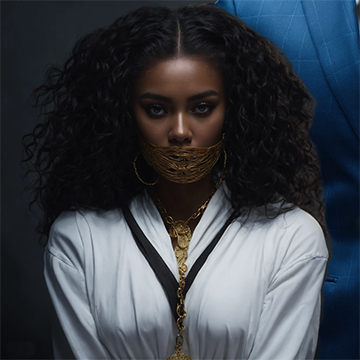
In attacking “woke” culture and dismantling DEI programs, Project 2025 does more than propose policy change — it seeks to rewrite the rules of public life. Its disdain for diversity, equity, and inclusion is not a critique of ideology but a purge of pluralism.
Iowa’s embrace of that purge illustrates how quickly rhetoric becomes regulation, and how fragile civic equality becomes when institutions trade conscience for compliance. At stake is more than terminology or staffing — it’s the future of fairness, belonging, and the idea that anyone, no matter their race, gender, belief, or background, deserves a place at the table.