
Ethanol
Overview
Ethanol – a biofuel primarily derived from corn in the United States – has long been heralded as a cornerstone of renewable energy policy and a lifeline for rural economies.
Nowhere is that truer than in Iowa, which consistently leads the nation in ethanol production. But as the climate, technology, and global trade landscape evolve, questions about ethanol’s long-term sustainability – both economically and environmentally – are growing louder.
Pros: Economic and Environmental Benefits
Economic Backbone for the Midwest
Job Creation & Rural Stability. Ethanol production supports tens of thousands of Iowa jobs, both directly in refineries and indirectly through corn farming, transportation, and maintenance services.
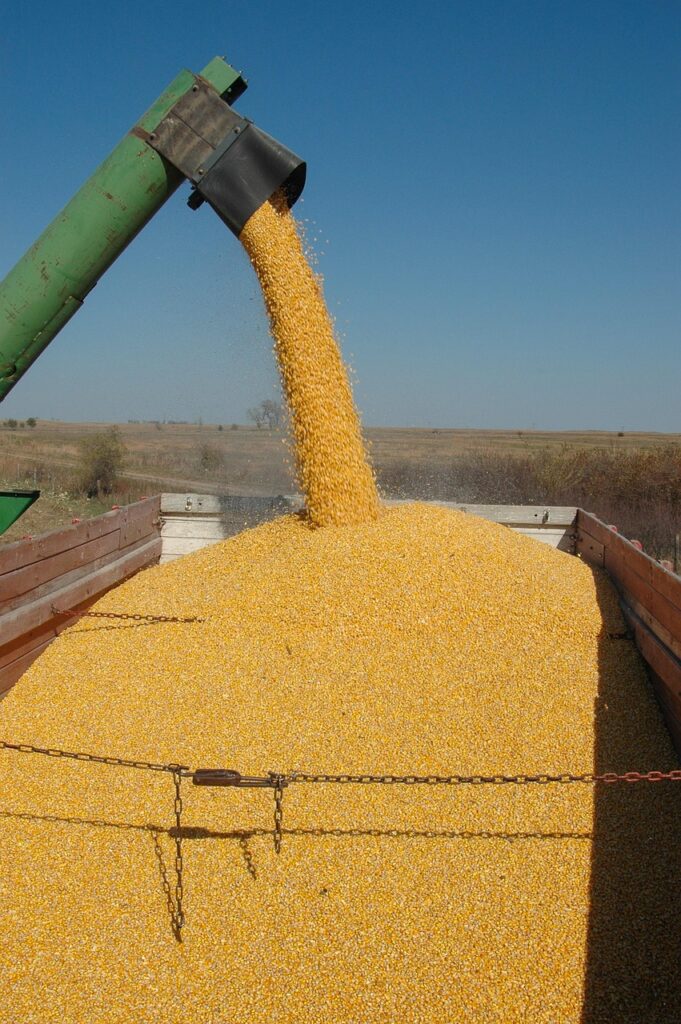
Value-Added Market for Corn. Roughly 40% of the U.S. corn crop goes to ethanol, helping sustain corn prices and farm incomes. Without this demand, many rural counties would face economic contraction.
Export Potential. Ethanol exports – especially to Canada, Brazil, and parts of Asia – offer a source of global competitiveness. As international demand for cleaner fuels rises, ethanol could benefit.
Energy Independence. Domestic biofuel production reduces U.S. reliance on foreign oil and provides a buffer against oil price volatility.
Tax Revenues. State and local governments in Iowa benefit from ethanol plant property taxes and payroll-based revenue, which support schools, infrastructure, and local services.
Environmental Gains (Under Certain Conditions)
Lower Tailpipe Emissions. Ethanol blends (E10, E15, E85) generally emit fewer hydrocarbons, carbon monoxide, and particulates than pure gasoline.
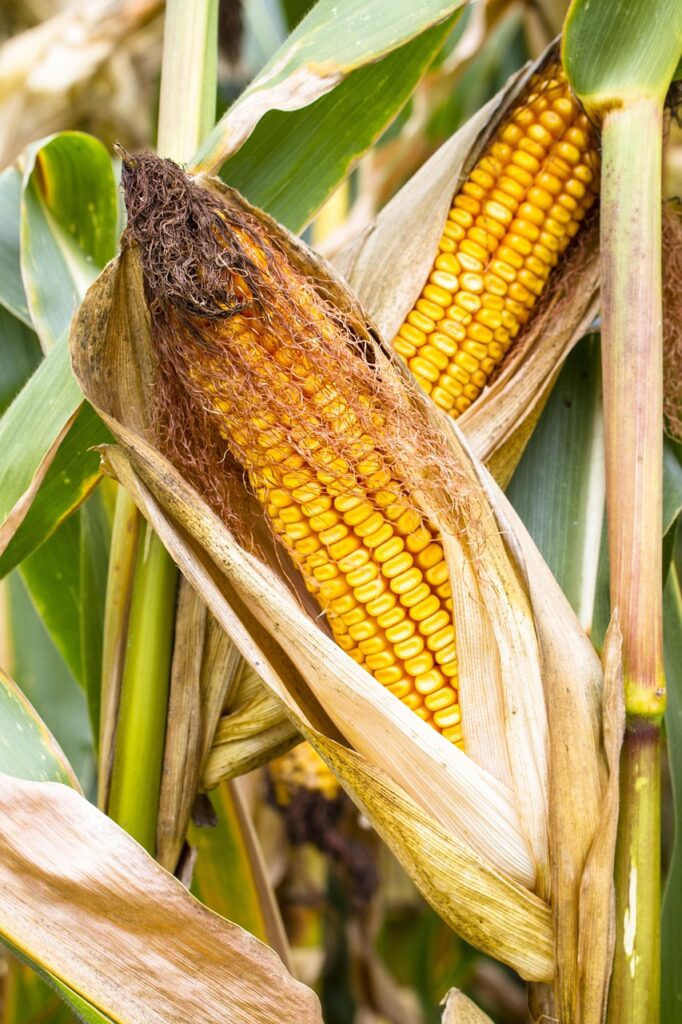
Renewable Source. Unlike fossil fuels, ethanol is derived from crops that can be regrown annually.
Lifecycle Carbon Reduction. When properly managed, ethanol can achieve 20–40% lower greenhouse gas emissions compared to gasoline, especially when paired with carbon capture or low-carbon farming practices like reduced tillage and optimized fertilizer use.
Support for Innovation. The ethanol industry has spurred new research into cellulosic biofuels (using crop residues or switchgrass) and improved enzyme technologies that may expand future sustainability.

Cons: Resource Demands, Market Risks, and Environmental Costs
High Resource and Environmental Footprint
Water Use. Ethanol production is water-intensive, requiring 2.5 to 6 gallons of water per gallon of ethanol (not counting irrigation water for corn). In drought-prone regions, this is a serious sustainability concern.
Soil Depletion & Erosion. Continuous corn cultivation accelerates soil nutrient loss and erosion, reducing long-term fertility and increasing runoff pollution.
Fertilizer & Runoff Pollution. Nitrogen and phosphorus fertilizers used for corn contribute to Gulf of Mexico dead zones via runoff through the Mississippi River Basin.
Energy Balance. Although improved, ethanol’s net energy gain (the energy produced vs. energy used) remains modest – roughly 1.3 to 1.6 units of energy returned per unit consumed.
Air Quality. Ethanol refineries emit volatile organic compounds (VOCs) and other pollutants that can contribute to smog formation if not carefully controlled.
Economic Vulnerability and Market Dependence
Reliance on Subsidies and Mandates. The U.S. Renewable Fuel Standard (RFS) and state-level incentives prop up the ethanol market. Without them, profitability would sharply decline.
Trade and Tariff Exposure. Export markets – particularly China – can evaporate overnight due to political disputes, leaving farmers overproducing with falling prices.
Price Sensitivity. Ethanol profitability is tied closely to corn and oil prices. High corn costs or falling gasoline prices can squeeze margins.
Infrastructure Limitations. Despite federal approvals for E15, many fueling stations lack the infrastructure or consumer demand to support higher ethanol blends.
Climate and Land-Use Concerns
Indirect Land Use Change (ILUC): As more land is devoted to corn for ethanol, it can displace food production or natural ecosystems, leading to global deforestation and higher carbon emissions elsewhere.
Carbon Capture Dependence: Many argue that the only way ethanol can remain viable in a decarbonizing world is through carbon capture and sequestration (CCS) – a technology that carries its own risks and controversies.
Monoculture Trap: Ethanol reinforces Iowa’s dependence on corn monoculture, reducing biodiversity and making the agricultural economy vulnerable to disease, pests, and shifting global demand.
Looking Ahead: Ethanol’s Future in a Changing Energy Landscape
Technological Evolution
Cellulosic and Advanced Biofuels. Research continues for next-generation biofuels made from non-food sources, including crop residues, municipal waste, and perennial grasses. These have the potential to reduce emissions by 60–80% over gasoline.
Carbon Capture Integration. If carbon pipelines succeed, ethanol plants could qualify for low-carbon fuel credits – helping the industry remain profitable as carbon regulations tighten.
Hybrid Biorefineries. Some facilities are exploring co-location with renewable electricity or green hydrogen production to further lower lifecycle emissions.
Policy and Market Realignment
EV Competition. As electric vehicles (EVs) expand, long-term gasoline demand is expected to decline, potentially shrinking ethanol’s market share.
Decarbonization Goals. Ethanol will need to prove it is truly “low carbon” through verified lifecycle assessments to remain competitive in global clean fuel standards.
Diversification Imperative. For states like Iowa, broadening agricultural outputs — into sustainable aviation fuels (SAF), bioplastics, specialty crops, or regenerative farming — could ensure resilience beyond ethanol.
Summary: A Crossroads for Iowa
Ethanol has been a boon for Iowa’s economy and a bridge toward cleaner energy — but it is not a destination. The industry’s dependence on corn monoculture, subsidies, and volatile export markets mirrors the fragility of a one-crop economy.
For ethanol to remain viable, Iowa must invest not just in carbon capture and fuel blending mandates, but also in diversification, innovation, and rural empowerment. Otherwise, the state risks repeating the cycles of dependence and decline that have haunted it since the 1980s farm crisis.
The challenge — and opportunity — lies in redefining ethanol as part of a broader bioeconomy, where Iowa’s ingenuity and land stewardship can once again set the national standard.