
Two Iowans each offered a diagnosis for agriculture’s current crises in Sunday’s Des Moines Register. Former USDA official Thomas Dorr blames the outdated Farm Bill and entrenched interests, while State Senator Zach Wahls says Washington’s chaos and corruption have left farmers behind.
The Causes of Iowa Agriculture Issues: Farm Policy or Washington Politics?
As Iowa farmers face shrinking markets, rising costs, and deep uncertainty, the search for answers often turns to Washington — but not everyone agrees on where the blame belongs.
Two recent opinion pieces by Iowans with very different political and professional backgrounds offer contrasting explanations for what’s gone wrong with U.S. agriculture — and what needs to change.
Viewpoint One: Thomas Dorr — The Farm Bill Is the Root of the Problem
Former USDA Under Secretary Thomas Dorr argues that the current crisis in U.S. agriculture is not just about tariffs or trade wars, but about decades of outdated farm policy that has distorted markets and entrenched inefficiencies.
In his view, the Farm Bill – and particularly crop insurance – is at the heart of the issue. Dorr calls it a system that benefits banks, insurers, and large agribusiness interests more than farmers themselves.
Key Arguments from Dorr
Outdated Policy Framework. Farm policy has changed little since the 1949 Permanent Farm Act, making it ill-suited for the modern agricultural economy.
Costly Crop Insurance. He highlights that crop insurance now costs nearly $100 per acre, despite minimal crop losses in Iowa for decades.
Conflicted Interests. Dorr accuses groups like the Iowa Farm Bureau and commodity associations of maintaining the system for their own profit, as many sell insurance or profit from related services.
Cross-Subsidization. The current setup effectively subsidizes farmers’ competitors in other states, while forcing Iowa farmers into unnecessary expenses.
Institutional Inertia. Dorr argues that the “incestuous relationships” between Farm Bureau leaders, bankers, and politicians preserve a self-serving status quo that drains taxpayer resources while stifling innovation and reform.
His Takeaway
To Dorr, the “wolves” threatening the farm economy aren’t foreign competitors – they’re the entrenched interests within America’s own agricultural system. Reform, he argues, must begin by breaking up the policy-industrial complex surrounding the Farm Bill and replacing it with modernized, market-driven protections.
Viewpoint Two: Zach Wahls — Washington Chaos Is the Real Crisis
Democratic state senator and U.S. Senate candidate Zach Wahls sees things differently. In his view, the farm crisis is not a failure of the Farm Bill itself, but a symptom of dysfunction, corruption, and partisan chaos in Washington.
Wahls says that federal gridlock – from the government shutdown to trade policy turmoil – has left farmers stranded just when they need leadership the most.
Key Arguments from Wahls
Government Paralysis. Nearly half of USDA employees have been furloughed during harvest season, and the Farm Bill has lapsed twice since 2023 due to congressional inaction.
Partisan Hijacking. Wahls condemns Republicans for embedding major pieces of farm policy into the “One Big Beautiful Bill” tax package, effectively sidestepping the bipartisan process that has traditionally guided farm legislation.
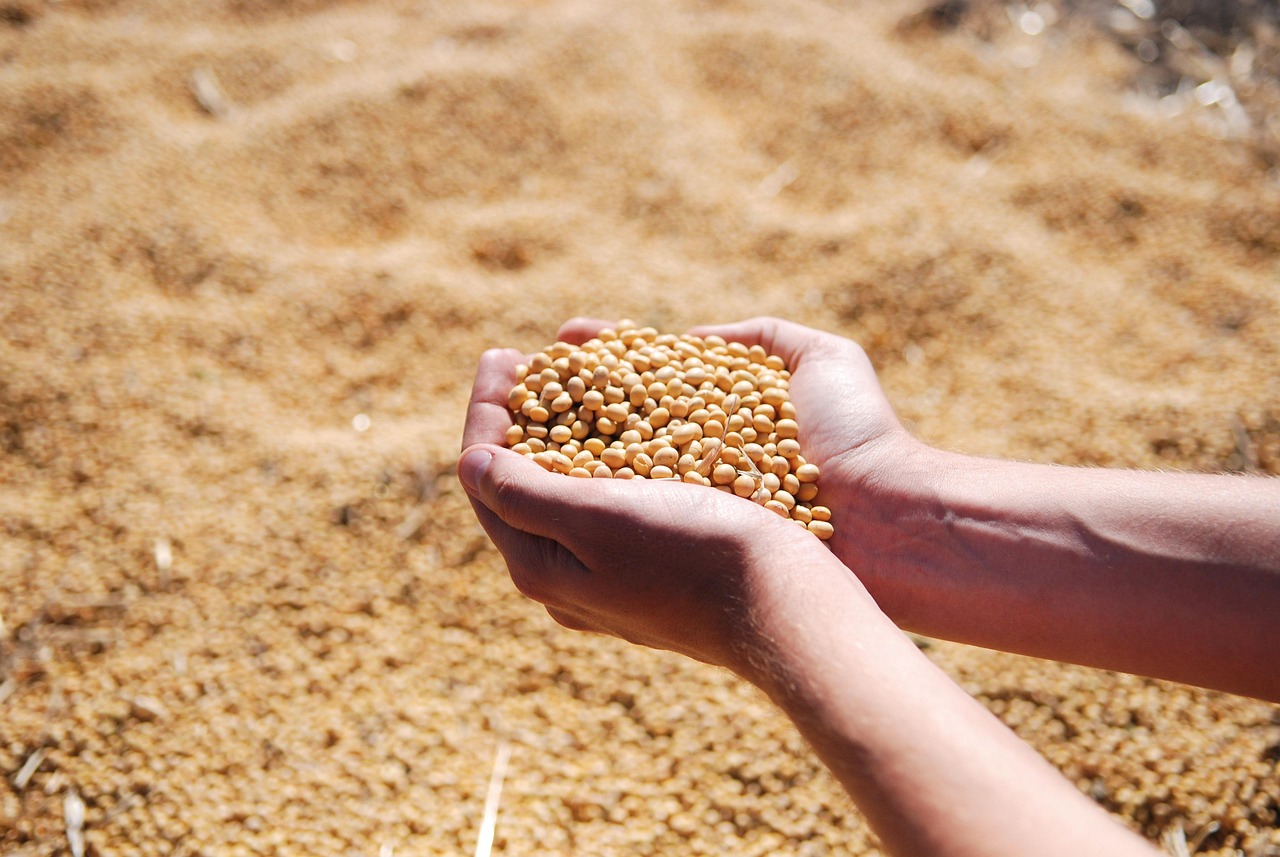
Tariff Turmoil. Wahls points to trade wars and tariffs that have driven up input costs and collapsed export markets, particularly for soybeans.
“Soybean Sellout.” He cites the $20 billion U.S. bailout for Argentina as a betrayal of Iowa farmers, noting that China bought 7 million metric tons of soybeans from Argentina days later – while U.S. farmers were left out.
Corporate Corruption. Wahls accuses both parties of catering to billionaire donors and foreign interests over rural America, saying “Washington sold us out.”
Bipartisan Accountability. He calls for leaders who will “stand up to both parties” – supporting good policy regardless of origin and opposing corruption wherever it arises.
His Takeaway
For Wahls, the solution is not to dismantle farm support systems, but to restore integrity and functionality in Washington. Iowa farmers, he says, don’t need bailouts – they need trade stability, policy consistency, and leaders with courage to challenge party bosses.
A Converging Concern: The Future of Iowa’s Farm Economy
Though they disagree on the source of the problem, both Dorr and Wahls share one grim conclusion: Iowa agriculture is at a tipping point.
- Dorr sees a structural problem – a calcified farm policy system that enriches intermediaries more than producers.
- Wahls sees a political problem – a Congress so broken and beholden to donors that it can’t govern effectively.
Both, however, recognize the stakes: If Iowa fails to modernize policy and restore trade stability, the state could face another farm crisis reminiscent of the 1980s collapse.
For Iowa’s farmers – hardworking, resilient, and increasingly frustrated – the path forward may depend on blending both perspectives: reforming outdated systems while demanding political accountability from those in power.