Power, Populism, and the New American Hierarchy
When Elon Musk’s media network, billionaire PACs, and political surrogates converged to pressure Sen. Joni Ernst over the Hegseth vote, it wasn’t an isolated event – it was a test run of a broader national populist power model now shaping both Iowa and Washington.
That model fuses populist energy, corporate wealth, and religious nationalism into a single mechanism of control. Its architects call it “restoring order.” Its critics call it the privatization of democracy.
The New Engine of Populist Power
Project 2025 – the governing blueprint promoted by the Heritage Foundation and allied think tanks – envisions a federal bureaucracy purged of “woke ideology,” stacked with loyalists, and guided by Christian “moral clarity.”
But executing that vision requires more than ideology; it demands a communication-finance-pressure network capable of disciplining anyone who resists.
That’s where figures like Musk enter the picture.
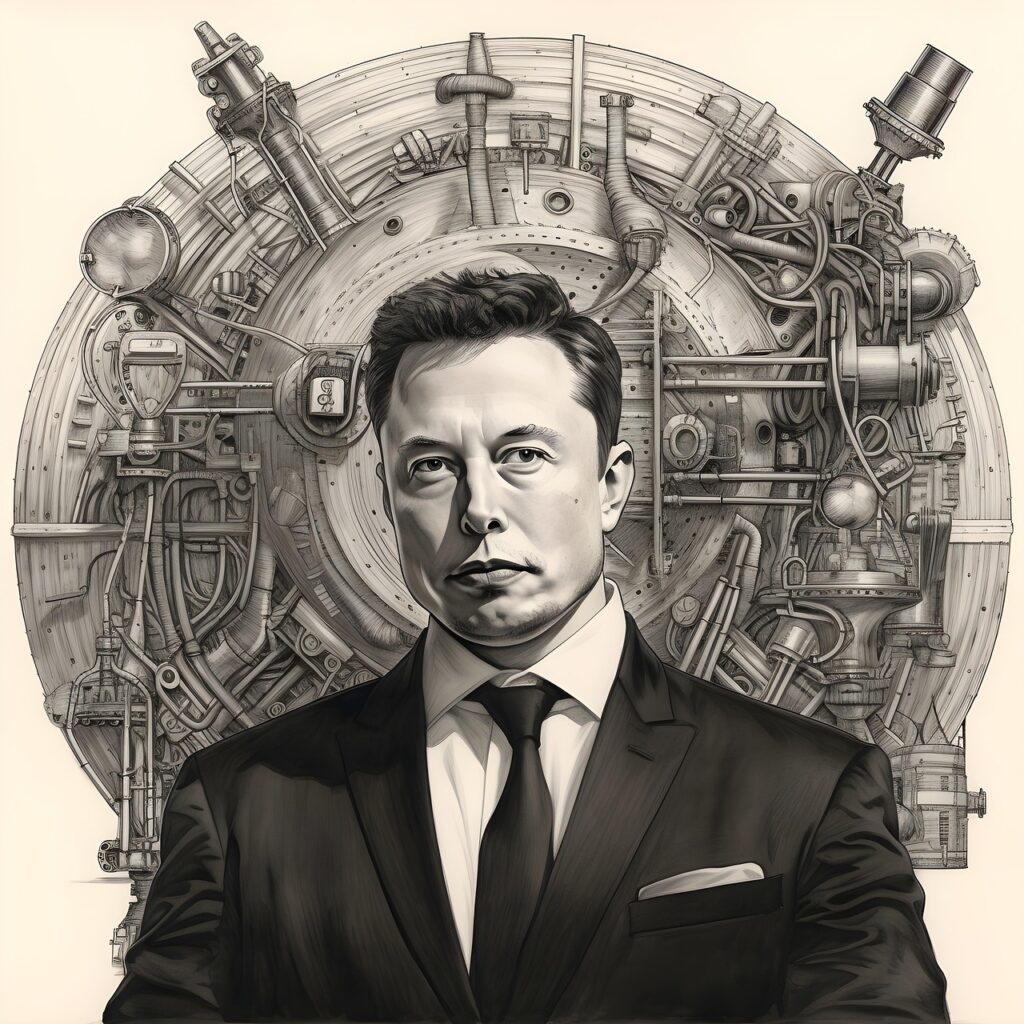
Through control of digital platforms, data pipelines, and influence algorithms, Musk’s empire has become the megaphone and the cudgel.
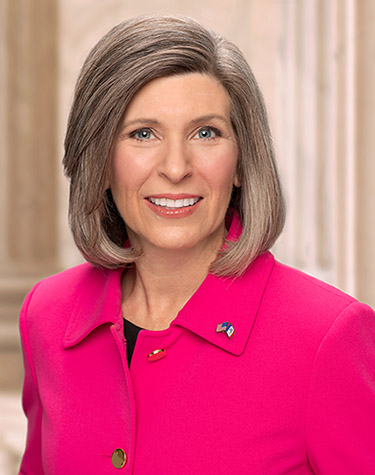
In Iowa, his reach materialized as pro-Hegseth advertising and coordinated social-media barrages aimed at Ernst – who yielded and voted for Hegseth’s nomination – a demonstration of how national power can bend local politics without ever stepping foot in the state.
Christian Nationalism Meets Corporate Strategy
The Project 2025 playbook borrows language from revivalism and business management alike. It ties moral panic – over gender, education, or “DEI” – to an economic narrative that promises stability for “real Americans.”
In Iowa, that message resonates with rural voters who feel abandoned by global trade and cultural elites. Yet behind the populist slogans stand corporate beneficiaries: defense contractors, fossil-fuel investors, and agricultural conglomerates whose fortunes rise when public institutions shrink.
Why Iowa Matters
Iowa is not just a stage for presidential caucuses; it is a microcosm of the struggle between community autonomy and centralized ideological control.
When a senator from Iowa can be forced to reverse her vote through a national digital smear campaign, it signals a shift: policy is no longer debated – it is enforced.
From carbon-pipeline battles to education bills banning DEI programs, the same machinery that targeted Ernst is shaping local governance, school boards, and even church politics.
The Feedback Loop
Populism fuels outrage.
Outrage drives online engagement.
Engagement attracts donors and algorithms reward visibility.
The cycle repeats – a feedback loop where anger is monetized and democracy is collateral damage.
Musk’s media reach, Project 2025’s ideological framework, and Christian nationalism’s moral certitude together form a new hierarchy of influence: one that cloaks raw power in the language of freedom and faith.
The Iowa Connection
Digital leverage: Iowa politicians increasingly face online pressure coordinated by national influencer networks.
Religious framing: Populist messaging is often couched in Christian duty and moral warfare.
Economic dependence: Rural economies tied to monocrops and subsidies remain vulnerable to manipulation by global investors.
Cultural erosion: Local issues — from farm aid to education — are recast as national ideological battles.