What Are Tariffs, and How Do They Affect Iowa?
For many Americans, tariffs have become one of the most talked-about and least understood parts of modern politics and economics.
Political leaders often describe tariffs to “fight back” against foreign countries or “protect American jobs.” But tariffs are far more complicated, and their economic effects are often felt directly by American businesses, farmers, and consumers.
Tariffs are taxes on Americans
So, what exactly is a tariff? A tariff is essentially a tax placed on imported goods coming into the United States.
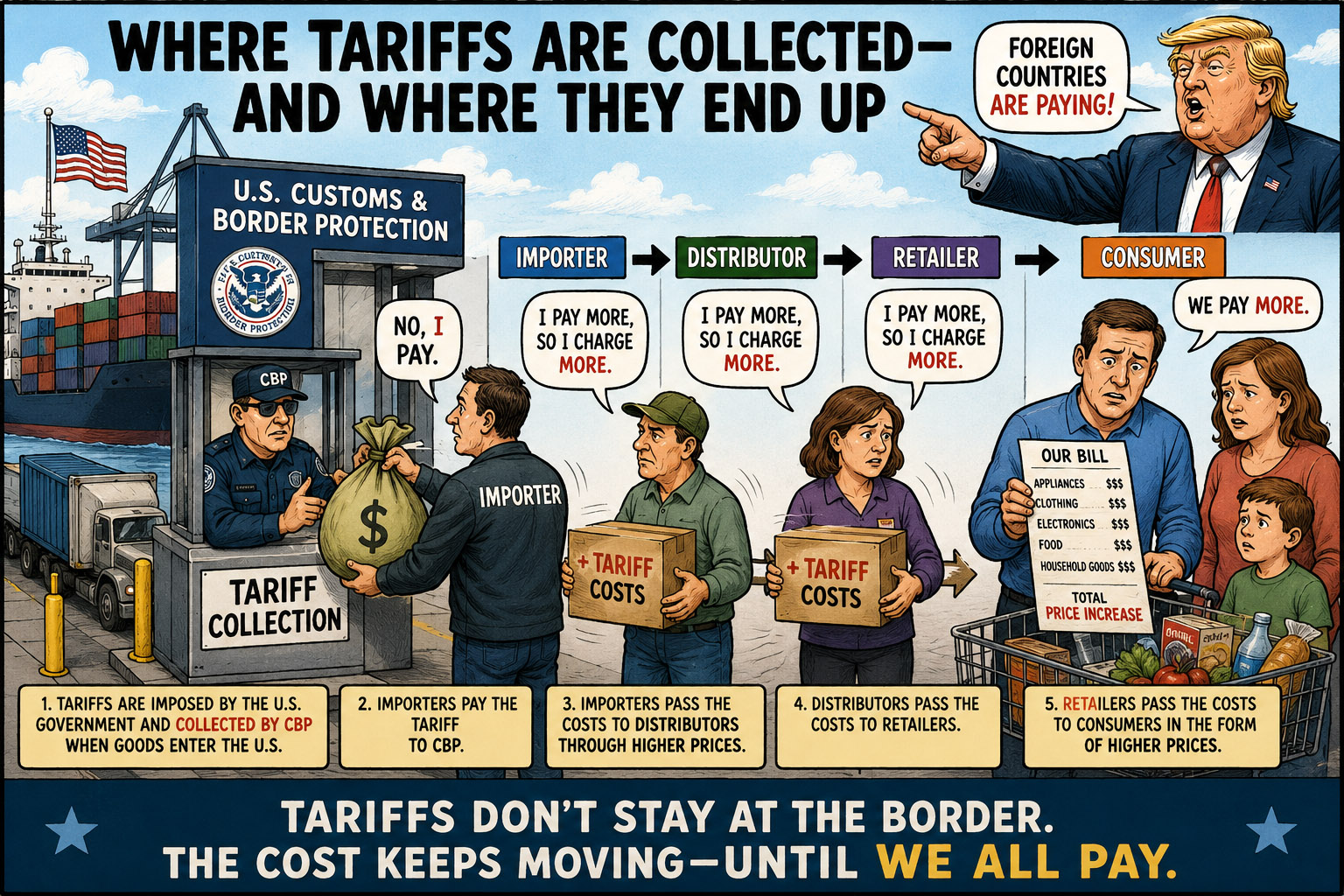
For example, if the federal government places a 25% tariff on imported steel from another country, American companies importing that steel must pay the additional tax. In most cases, those higher costs are then passed along to manufacturers, businesses, farmers, and ultimately consumers.
In short, tariffs are generally paid by Americans. Not foreign governments.
Strategic and broader applications
Tariffs can sometimes be used strategically and selectively to protect certain industries or respond to unfair trade practices. Historically, targeted tariffs have occasionally helped support domestic manufacturing or create leverage during trade negotiations.
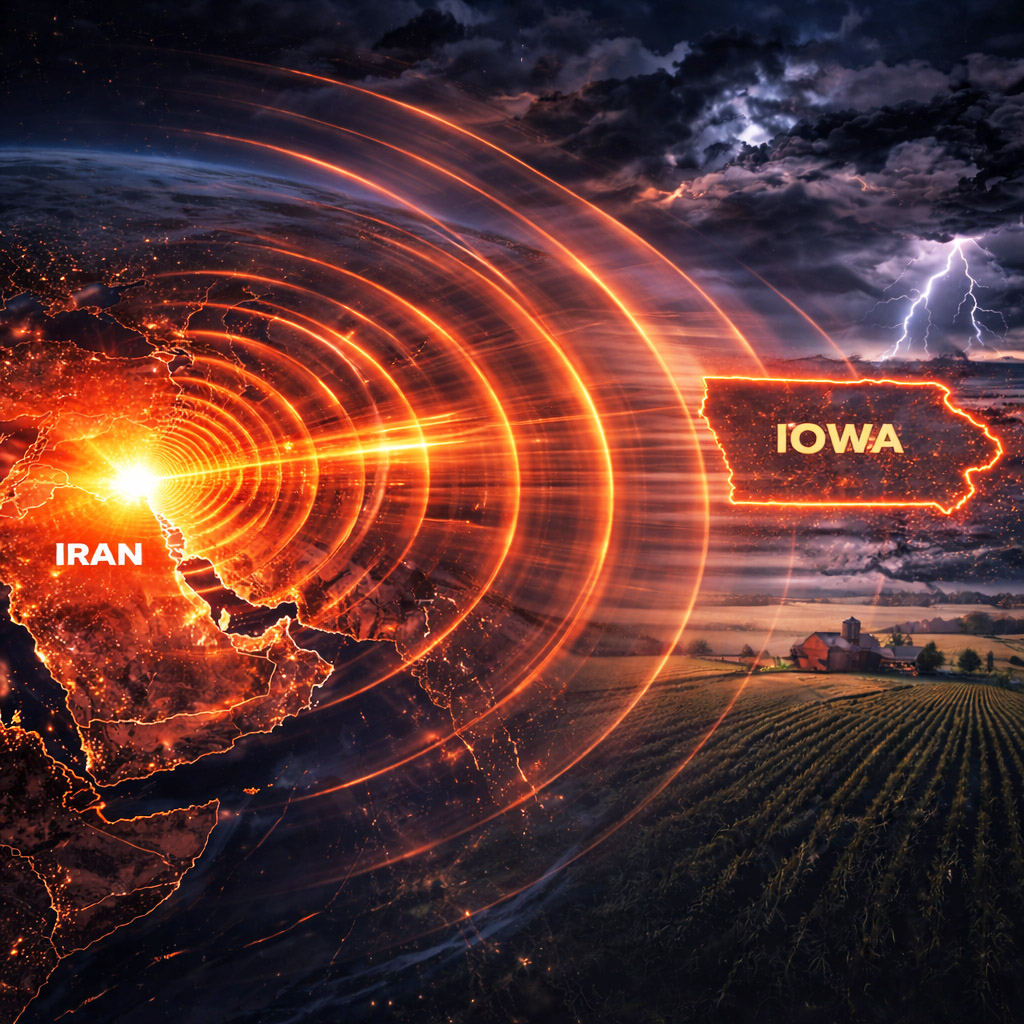
However, broad or aggressive tariffs can also trigger serious economic consequences, especially in export-dependent states like Iowa. Iowa farmers rely heavily on international markets to sell soybeans, corn, pork, beef, ethanol, and other agricultural products.
Retaliation from other countries
When the United States imposes large tariffs on other countries, those countries often retaliate with tariffs of their own against American exports. And that hurts.
That happened during President Donald Trump’s first administration, when China and other countries responded to U.S. tariffs with retaliatory tariffs on American agricultural products. Iowa farmers were among the hardest hit.
The federal government eventually approved tens of billions of dollars in bailout payments to farmers to offset some of the losses created by the trade war.
At the same time, tariffs also increased costs for many American manufacturers and consumers by raising prices on imported steel, aluminum, machinery, electronics, building materials, appliances, and consumer goods.
Effects of large-scale tariffs
Economists across the political spectrum have warned that large-scale tariffs can increase inflation, slow economic growth, disrupt supply chains, reduce exports, and create uncertainty for businesses making long-term investment decisions.
Critics argue that Trump’s 2025 proposals for sweeping global tariffs went far beyond targeted trade policy and instead amounted to a form of economic confrontation with much of the world.
Large scale trade war
Some economists have described the proposed tariff structure as effectively declaring a large-scale trade war that increases prices for American consumers, damages export industries, hurts manufacturers, and weakens economic growth.
Legal experts have also questioned whether some proposed tariff actions exceed presidential authority under existing trade laws.
Supporters of tariffs argue they can pressure foreign governments and encourage companies to move manufacturing back to the United States. But critics counter that broad tariffs often function more like taxes on American businesses and consumers than punishments against foreign countries.
Not an abstraction for Iowans
For Iowans, the issue is not abstract. Tariffs can affect crop prices, equipment costs, fuel prices, manufacturing jobs, construction expenses, grocery prices, and overall economic stability.
And regardless of political party, understanding how tariffs work is important because the economic effects are often felt far beyond Washington politics.
Our Take
Tariffs are not automatically good or bad. Like many economic tools, their impact depends heavily on how they are used.
Targeted tariffs aimed at addressing specific unfair trade practices can sometimes serve legitimate economic or strategic purposes. But broad, aggressive tariffs imposed against multiple countries simultaneously can quickly escalate into economic retaliation that harms American industries and consumers.
For Iowa, which depends heavily on agriculture, manufacturing, exports, and stable global markets, large-scale trade wars carry particularly high risks.
One of the biggest misconceptions repeated often is the idea that foreign countries “pay” tariffs, which is false. Tariffs are generally paid by American importers, manufacturers, businesses, and consumers through higher costs and rising prices.
Economic disruptions
The economic disruptions caused by recent tariff proposals are not theoretical. Businesses, farmers, investors, and consumers have already experienced market volatility, uncertainty, and higher costs tied to large-scale tariff strategies.
Iowans deserve straightforward explanations about how tariffs work. Because the consequences affect real families, real businesses, and real livelihoods across the state.
Breaking With Trump, or Just His Poll Numbers?
Candidates show some dissent over the Iran war, as Grassley and Ernst vote against limiting Trump’s war powersIowa Republican candidates are changing their positions on the Iran war as Election Day approaches. That is news. Calling it a “break with Trump” may be...
Trump Lost His Lawsuit. But Did the Lawsuit Fail?
An Iowa judge threw out Donald Trump’s lawsuit against Gannett and pollster J. Ann Selzer. But after nearly two years of litigation, the case raises a larger question about what it means to “win.”President Donald Trump lost his lawsuit against Gannett (owner of the...
As Iowans Suffer, Grassley Turns His Focus to Transgender Sports
Iowa already prohibits transgender girls from competing in girls' sports. With farmers struggling with diesel prices and families confronting inflation and housing costs, why is Chuck Grassley making the issue a national priority now?Should we be concerned about his...
Iowa Corn Growers Ask for Diesel Price Relief as Harvest Begins
Iowa Corn Growers Association asks for diesel relief as harvest kicks offBy Cami KoonsIowa Capital Dispatch As Iowa farmers begin harvesting their crops, corn growers in the state are asking Iowa congressional delegates to help lower the cost of diesel fuel, which has...
Mortgage Rates Hit 7% as War Increases Housing Market Pressure
Higher energy prices, persistent inflation, and rising borrowing costs are making an already difficult housing market even harder for buyers.The New York Times reports that mortgage rates have climbed above 7% for the first time since January 2025, another economic...
The Company Miller-Meeks Keeps
The Company She Keeps: Who Is Miller-Meeks Bringing to Iowa?Mariannette Miller-Meeks brought Rick Scott and Markwayne Mullin to Iowa to help make the case for her reelection. Their backgrounds raise a reasonable question: What should voters make of the people a...
AG Bird Needs to Explain Culture War and Political Lawsuits
Whose Lawyer is Brenna Bird?Beyond the everyday work of Iowa's Attorney General, Brenna Bird has repeatedly put the state's name behind national political and policy battles. What does Iowa get from them?Attorney General Brenna Bird has a day job. Her office...