
Inflation Jumps to 3.3% in March as Energy Costs Surge. What It Means for Iowans
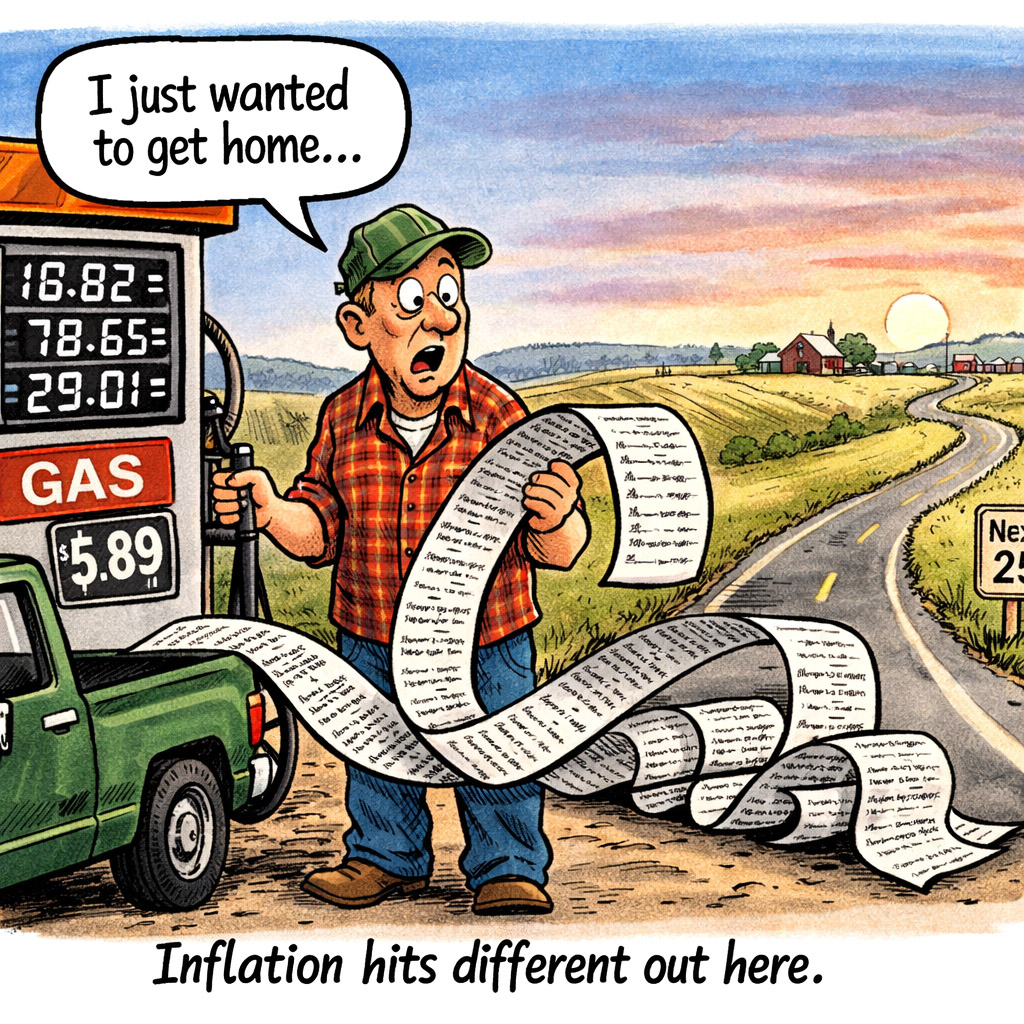
The annual inflation rate in the United States rose sharply to 3.3% in March 2026, marking the highest level since May 2024 and a significant increase from 2.4% in both January and February, according to new data from the U.S. Bureau of Labor Statistics.
The increase was largely driven by a surge in energy prices, particularly gasoline, as global tensions, especially the ongoing war involving Iran, continue to impact oil markets.
Energy Costs Lead the Spike
Energy prices rose 12.5% overall, with some of the most notable increases hitting consumers directly. Gasoline saw an +18.9% increase and costs for fuel oil increased by +44.2%
On a monthly basis, gas prices alone jumped 21.2%, helping push overall consumer prices up 0.9%, the largest monthly increase since June 2022. For Iowa households, where driving is a daily necessity, this translates quickly into higher weekly expenses.
Mixed Signals Across Other Categories
Not all categories saw increases, some declined. Used cars and trucks continued to decline (-3.2%), shelter costs remained steady (3.0%), and food inflation eased slightly (2.7%, down from 3.1%). While grocery prices are still rising, the pace of increase is slowing, for now.
Core Inflation Remains More Stable
Core inflation, which excludes volatile food and energy prices, rose more modestly, with annual core inflation at 2.6%, a monthly increase of just 0.2%. This suggests that while the overall spike is significant, much of the pressure is still coming from energy-related costs rather than broad-based inflation across the economy.
What It Means for Iowa
For Iowans, the impact is immediate and tangible, in higher fuel costs for commuting, farming, and transportation, increased costs for goods that rely on fuel for shipping, and continued pressure on household budgets. Even when inflation is driven by global events, the effects are felt locally, especially in rural and transportation-dependent states like Iowa.
The Bigger Picture
This latest inflation report highlights a key reality. Inflation may be moderating in some areas, but it remains vulnerable to global instability. Energy prices continue to act as a wildcard that can reverse progress quickly when geopolitical tensions rise.
Bottom Line
While some categories are stabilizing, the March spike shows that inflation is far from settled. For now, rising fuel costs are once again driving the conversation, and the cost of living, for American families.
Source: U.S. Bureau of Labor Statistics
Breaking With Trump, or Just His Poll Numbers?
Candidates show some dissent over the Iran war, as Grassley and Ernst vote against limiting Trump’s war powersIowa Republican candidates are changing their positions on the Iran war as Election Day approaches. That is news. Calling it a “break with Trump” may be...
Has the UI Center Lost Its Academic Legitimacy?
How Much Academic Legitimacy Does Iowa's Center for Intellectual Freedom Have Left?Eleven scholars recruited to help establish the Center have resigned. Their departure raises a bigger question about what made this politically created institution academic in the first...
Trump Lost His Lawsuit. But Did the Lawsuit Fail?
An Iowa judge threw out Donald Trump’s lawsuit against Gannett and pollster J. Ann Selzer. But after nearly two years of litigation, the case raises a larger question about what it means to “win.”President Donald Trump lost his lawsuit against Gannett (owner of the...
As Iowans Suffer, Grassley Turns His Focus to Transgender Sports
Iowa already prohibits transgender girls from competing in girls' sports. With farmers struggling with diesel prices and families confronting inflation and housing costs, why is Chuck Grassley making the issue a national priority now?Should we be concerned about his...
Would a Ban of Diesel Exports Actually Lower Prices? Likely Not.
It’s More Complicated Than Grassley BelievesSen. Chuck Grassley says the U.S. should stop exporting diesel to bring down prices for farmers and truckers. The oil industry says that could backfire. Its explanation deserves a closer look.Iowa farmers are heading into...
Iowa Corn Growers Ask for Diesel Price Relief as Harvest Begins
Iowa Corn Growers Association asks for diesel relief as harvest kicks offBy Cami KoonsIowa Capital Dispatch As Iowa farmers begin harvesting their crops, corn growers in the state are asking Iowa congressional delegates to help lower the cost of diesel fuel, which has...
Mortgage Rates Hit 7% as War Increases Housing Market Pressure
Higher energy prices, persistent inflation, and rising borrowing costs are making an already difficult housing market even harder for buyers.The New York Times reports that mortgage rates have climbed above 7% for the first time since January 2025, another economic...