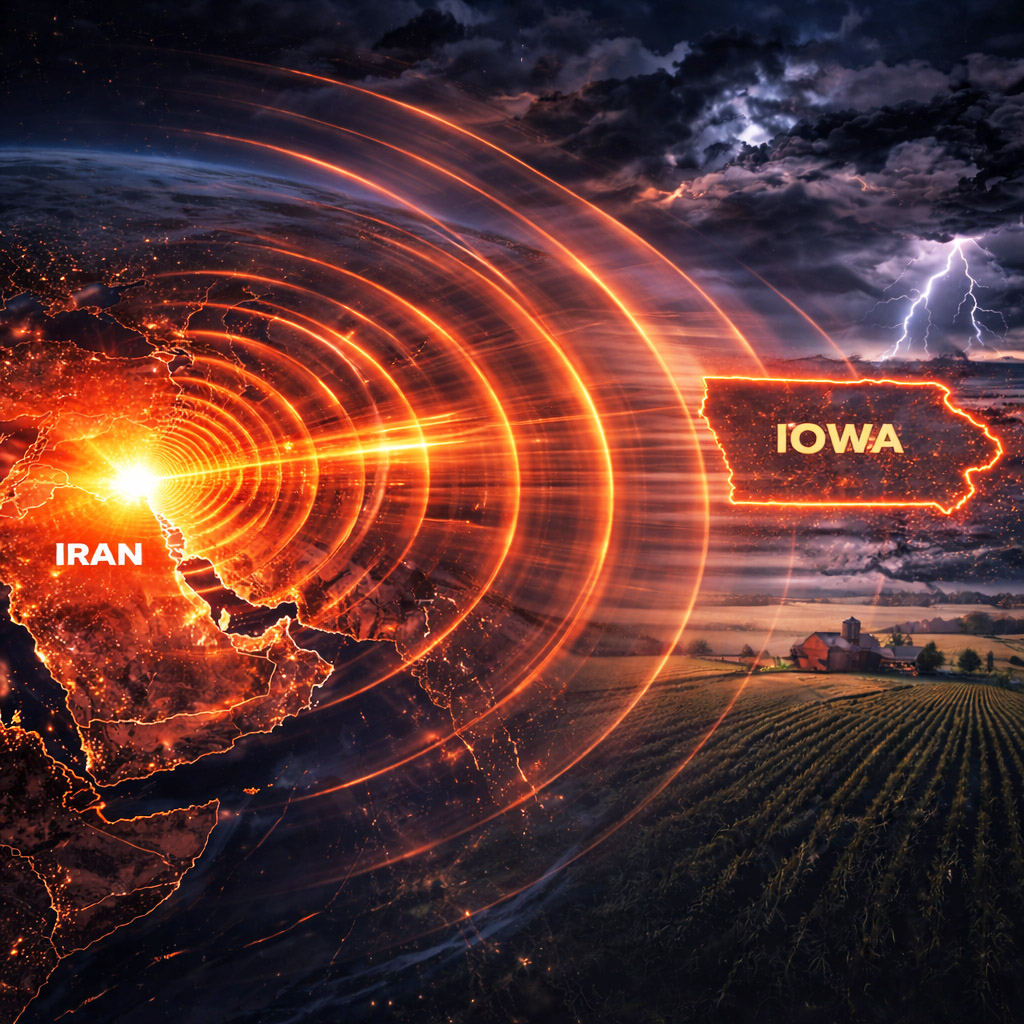
Governing by Social Media Post
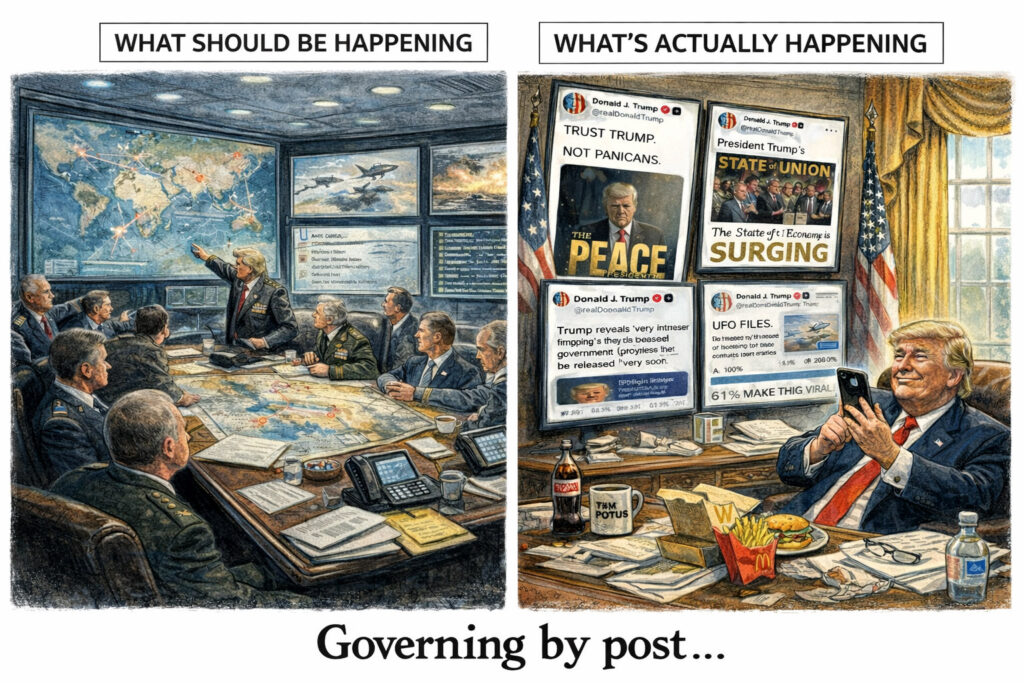
Over the past few days, something has become clear about how the Iran conflict is being communicated to the public, and it’s not coming from briefings, strategy updates, or coordinated diplomacy. It comes from social media.
Post after post. Reposts of friendly coverage. Claims that everything is under control. Assurances that the economy is strong. Even distractions that have nothing to do with the conflict itself.
Taken one at a time, none of that is unusual in modern politics. Taken together, though, it raises a much bigger question of “Is the war managed by leadership, or as a message?
This Isn’t How War Works
War isn’t something you manage through posts. It requires coordination, discipline, clear signals to allies and adversaries, and constant attention to what’s happening on the ground.
Messaging matters, but it doesn’t replace any of that. And when the messaging starts to drift too far from reality, that’s where problems begin.
When the Message Doesn’t Match the Situation
Look at the administration has messaged publicly in the last couple of days. False claims of strong public support of the war, backed by selectively biased and favorable coverage. Out-of-context statements that the economy is “surging” despite rising geopolitical failure and risk. Arguments that disruptions in critical shipping lanes are somehow beneficial.
And confident language about “peace” or “victory” while tensions continue to rise. That’s not just messaging, it is an imagined narrative trying to stay ahead of events.
Why That’s a Problem
When leaders focus more on shaping perception than reflecting reality, a few things tend to happen:
Signals Get Confusing
Markets, allies, and adversaries all listen carefully. If the message doesn’t match what’s truly happening, people start making decisions based on bad information.
Credibility Continues to Slip
If everything is framed as “under control,” it becomes harder to know what to take seriously, and harder to adjust when things change.
No Room to Pivot
If you keep telling people things are going great, it’s a lot harder to turn around and say, “We need a different approach.”
Risk Goes Up
Overconfidence, real or projected, can lead to miscalculations. And in a situation like this, miscalculations don’t stay small.
The Strait of Hormuz Isn’t a Talking Point
One example stands out. There’s been an effort to frame disruptions in the Strait of Hormuz as somehow beneficial. That doesn’t hold up.
The Strait is one of the most important energy chokepoints in the world. When it’s unstable, the effects ripple everywhere, starting with oil markets, global shipping, and supply chains. You can message around that, but you can’t change what it is.
What This Moment Actually Requires
This isn’t about optics. It’s about a leader making clear, grounded decisions, sending credible signals, and staying focused on the actual problem. This is a complicated, high-stakes situation. It doesn’t get easier because it’s framed positively.
Our Take
Messaging is part of leadership. That’s not the issue. The issue is when messaging starts to look like the main activity, especially during an active international conflict.
That raises real questions about focus, priorities, and whether communication is tracking with reality.
In a situation like this, it’s not about how often you communicate. It’s about whether what you’re saying matches what’s really happening. Because in the end, you can shape the story, but you can’t substitute it for strategy.
Accurate Historical Records and the Danger of Erasing History
Why Honest History Is Essential to DemocracyAn Iowa411 EditorialProtecting the Historical Record Protects Our Future The recent controversy surrounding the removal of dozens of exhibits from National Park Service sites raises an important question. Not who controls or...
Millions Lose SNAP Benefits as New Rules Take Effect
Republicans Celebrate Changes to SNAP as Democrats Sound AlarmMillions Lose SNAP Benefits as Republicans Celebrate Food Assistance Cuts Nearly 4 million Americans have lost access to SNAP food assistance since Congress and President Trump enacted stricter eligibility...
Dozens of Historical Exhibits Removed from National Parks
Federal Judge Orders Restoration of National Park American History ExhibitsTrump Administration Ordered to Restore Historical Exhibits It Removed from National Parks The Trump administration removed at least 51 exhibits from 37 National Park Service sites as part of...
Trump Declares Victory. Iran Collects the Prize.
Peace Deal or Capitulation? Critics Question Trump's Iran AgreementDid Trump Just Hand Iran a Strategic Victory? President Donald Trump is calling his new agreement with Iran a historic peace achievement. According to the president, he succeeded where previous...
Trump Declares Victory in Iran. Again.
Trump's Iran Agreement: Historic Achievement or Premature Victory Lap?Trump's Latest Peace Claim Follows a Familiar Pattern President Donald Trump has announced what he describes as a historic peace achievement in the Middle East. And after making a similar...
From Bombing Threats to Peace Deal in One Day
In Latest Pivot, Trump Threatens to Strike Iran Again, and then Announces a Peace DealFrom Bombs to Peace Deal in One Day President Donald Trump spent today moving between two dramatically different messages about the war with Iran. Early in the day, Trump threatened...
When Did Affordability Stop Mattering?
Trump Seems to Lose Interest in Affordability and Higher InflationIs Trump Losing Interest, or Showing His True Colors? One of Donald Trump's most effective arguments during the 2024 campaign was not immigration, foreign policy, or even crime. It was affordability....
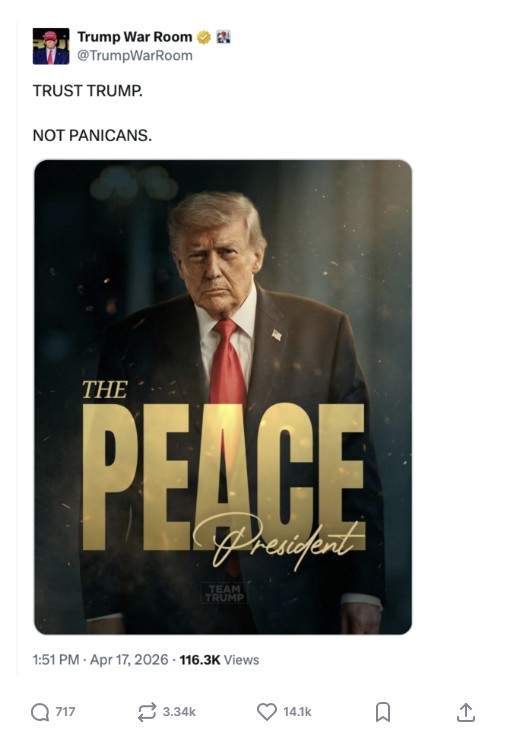
April 17 repost of Trump the peace president. A blatant misrepresentation.
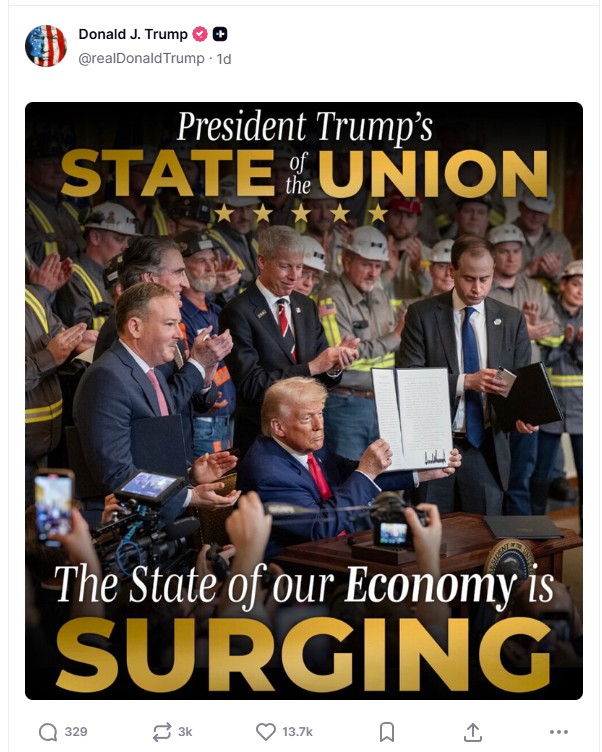
April 19 repost of a Trump State of the Union claim. Clearly intended to deceive.