
What Mexico’s Río Sonora Disaster Can Teach Iowa About Lead Contamination
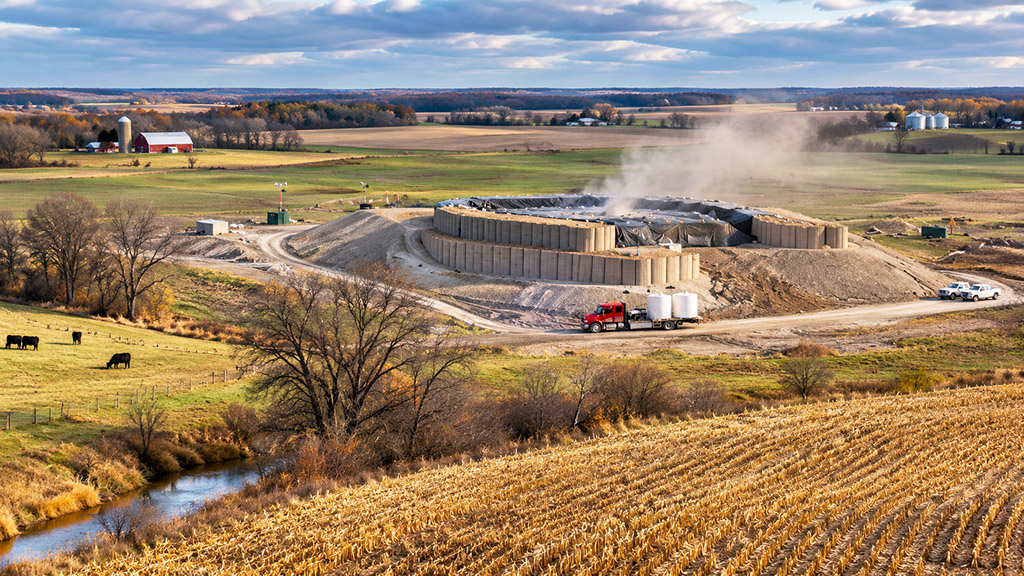
A decade-old mining disaster provides important lessons about environmental persistence, agricultural safety and the long-term responsibilities associated with hazardous material releases.
With the U.S. Army’s detonation of the nation’s deteriorating lead azide stockpile at the Iowa Army Ammunition Plant in Middletown, attention now turns to the potential environmental, agricultural and public health consequences of the operation. What happens after the dust settles?
Destroying an explosive compound does not eliminate the toxic elements it contains. Lead cannot be destroyed through conventional combustion or detonation. It can change chemical form, become dispersed and accumulate in the environment.
An environmental disaster in northern Mexico offers important lessons about why Iowa’s concerns must extend beyond today’s explosion.
The Río Sonora disaster
On August 6, 2014, approximately 10.6 million gallons of acidic copper sulfate solution escaped from a containment pond at the Buenavista del Cobre mine near Cananea, Sonora, Mexico. The mine was operated by a subsidiary of Grupo México, the parent company of ASARCO.
The release contaminated the Río Bacanuchi and Río Sonora, affecting approximately 169 miles of the river system. The contamination involved multiple potentially toxic elements, including lead, arsenic and cadmium. Authorities restricted access to water supplies, while agricultural producers experienced disruptions affecting crops, livestock and livelihoods.
Perhaps the most consequential findings emerged years later. In September 2023, nine years after the disaster, Mexico’s environmental authorities concluded that remediation efforts had been insufficient. Environmental assessments continued to identify contamination affecting water, sediments, vegetation and wildlife. As recently as August 2024, Mexican authorities were still pursuing a comprehensive remediation program.
The immediate industrial emergency had long since ended. Its environmental and economic consequences had not.
Different events, common environmental concerns
The Río Sonora disaster and the Middletown operation differ considerably in scale, chemical composition and mechanisms of environmental dispersal.
Mexico experienced an uncontrolled release of contaminated mining solution into a river system. Iowa experienced a planned detonation of lead-containing explosive material, accompanied by containment measures and environmental monitoring.
The two events should not be considered equivalent. Nevertheless, they share a fundamental environmental concern: the persistence of toxic metals following their release. Unlike many organic pollutants, lead does not biodegrade into harmless substances. Depending on environmental conditions, it can remain in soil and sediment for decades.
Any lead-containing particles that escaped containment during the Middletown detonation could settle on agricultural land, vegetation, residential properties or surface water. Rainfall, erosion and runoff could subsequently redistribute contaminated particles. The extent of any contamination must now be established through environmental sampling and analysis.
The agricultural dimension
For southeastern Iowa, the potential implications for agriculture deserve particular attention. Lead contamination does not necessarily render soil incapable of supporting crops. Plants may continue to grow normally while contamination presents potential food-safety concerns.
Agricultural productivity and agricultural product safety are two different considerations. Livestock may also be exposed through contaminated forage, feed, drinking water or soil ingested while grazing. Depending on exposure levels, lead accumulation in animal tissues may create animal health and food-safety concerns.
Iowa agricultural authorities have recognized these potential exposure pathways. On November 24, the Iowa Department of Agriculture and Land Stewardship (IDALS) issued updated guidance for livestock producers located within 20 miles of Middletown, recommending soil and forage testing, veterinary consultation, protective measures for livestock and feed, and documentation of expenses associated with the operation.
Iowa Agriculture Secretary Mike Naig indicated that IDALS is working with the U.S. Department of Agriculture to conduct post-detonation forage and livestock testing. Iowa State University’s Veterinary Diagnostic Laboratory may also participate in testing and longer-term monitoring.
Naig has also emphasized the importance of ensuring that Iowa producers are compensated for any resulting losses. These efforts will be important not only in protecting animal health but also in safeguarding the integrity of Iowa’s agricultural products and the livelihoods of affected producers.
Monitoring is essential, and so is follow-through
Significant preparations were undertaken ahead of today’s detonation. The U.S. Environmental Protection Agency reported on November 24 that more than 1,000 environmental samples had already been collected, providing baseline information against which subsequent measurements can be evaluated. The EPA’s emergency permit requires environmental sampling and monitoring, public notification, cleanup and reporting.
University of Iowa researchers have also undertaken preparations for independent air and soil monitoring, while Missouri authorities have coordinated environmental, agricultural and public health response activities. These efforts provide an important foundation for evaluating the environmental consequences of the operation.
However, the effectiveness of environmental monitoring cannot be measured solely by the number of samples collected. Sampling locations, analytical methods, timing and the duration of follow-up will all influence the reliability of the findings.
Several questions deserve continued attention:
-
- Will agricultural soil, forage, livestock drinking water and animal products receive adequate testing?
- Will monitoring continue beyond the immediate emergency response?
- Will complete environmental testing results be publicly accessible?
- What criteria will determine whether remediation is necessary and effective?
- How will affected residents and agricultural producers be compensated for documented losses?
The Río Sonora disaster demonstrates that performing remediation and verifying its effectiveness are not the same thing.
Beyond the explosion
Today’s operation was intended to eliminate the immediate explosive hazard posed by the deteriorating national lead azide stockpile. But the destruction of the stockpile alone should not define the success of the Middletown operation.
Success must also encompass the protection of surrounding communities, agricultural resources, water supplies and the environment. It must include transparent reporting, scientifically sound monitoring and effective remediation should contamination occur.
The lessons of Río Sonora are not that Iowa will necessarily experience a comparable environmental disaster, but that the consequences of toxic metal contamination can extend far beyond the original incident.
An explosive hazard can be eliminated in seconds. Environmental contamination, if it occurs, can take years or even decades to resolve. For southeastern Iowa, the real measure of success will become apparent long after the dust settles.
Read More: Middletown’s Lead Azide Emergency: How Did We Get Here?
Sources and Additional Information
Río Sonora Environmental Disaster
Middletown Environmental Monitoring and Government Response
-
- U.S. EPA – Federal Interagency Efforts to Protect Communities and the Environment, November 24, 2026
- U.S. EPA – Iowa Army Ammunition Plant Emergency Permit
- Iowa Public Radio – University of Iowa Researchers Prepare for Independent Environmental Monitoring
- Missouri Department of Natural Resources – Iowa Lead Azide Detonation
Agricultural Protection and Food Safety
-
- Iowa Department of Agriculture and Land Stewardship – Updated Guidance for Livestock Producers Near Middletown, November 24, 2026
- Iowa Public Radio – Public Health, Agricultural Safety and Environmental Monitoring
- Iowa Agribusiness Radio Network – Secretary Naig Discusses Concerns Over Lead Azide Detonation
- Ontario Ministry of Agriculture – Lead Toxicosis in Livestock
- U.S. EPA – Lead in Soil
- California Department of Food and Agriculture – Lead Toxicity and Its Effects on Animals and Animal Products
Sigourney Kinder Morgan Pipeline Explosion Seriously Injures One
Kinder Morgan Pipeline Explosion in Keokuk County, IowaA pipeline explosion in Keokuk County sends one person to the hospital as questions remain about the cause, circumstances and safety implications of the incident.The explosion, north of Sigourney on Monday...
Middletown Lead Azide Emergency: How Did Iowa Get Here?
Middletown's Toxic Countdown: How Did Iowa End Up With a Five-Ton Explosives Emergency?The nation's lead azide stockpile was transferred to Iowa in 2009 despite evidence of deterioration. Seventeen years later, its planned destruction raises serious questions about...
A New Chapter for Iowa
The election is over, and now is the time for Iowans to work together in a time of healingElection night brought political change. Now comes an opportunity for Iowans to come together, restore trust, and chart a better future for our state.For months, Iowans have...
Dems Win Congress and Major Iowa Midterm Elections
Democrats capture both chambers of Congress, Iowa's governorship, U.S. Senate seat, attorney general's office, and three congressional districts. Republicans retain control of the Iowa Legislature.National Results Democrats won control of both the U.S. House of...
Iowa Farmers Union Endorses Josh Turek
Iowa Farmers Union pushes for Turek, the first federal candidate the group has endorsed in yearsBy Cami KoonsIowa Capital Dispatch Iowa Farmers Union has not endorsed federal candidates for at least 14 years, but is urging farmers to vote for Josh Turek in the race...
Joe Mitchell Names Trump “Man of the Century” at Sioux City Rally
Mitchell Goes "All In" for Trump at the October 22 Sioux City RallyJoe Mitchell presents Trump with a man of the century award. Human-directed AI-generated image.Iowa's 2nd District congressional candidate called Trump the greatest president in American history and...
Did Joni Ernst Have “Very Prosperous” Years in Washington?
Trump: Ernst Had “Very Prosperous Years” in Washington, and Other Remarks You May Have Missed at His Sioux City RallyTrump and Joni Ernst at the Sioux City political rally. Human-directed AI-generated image.At his October 22 rally in Sioux City, President Donald Trump...