
Report: Counties that spray more glyphosate have higher non-Hodgkin lymphoma rates
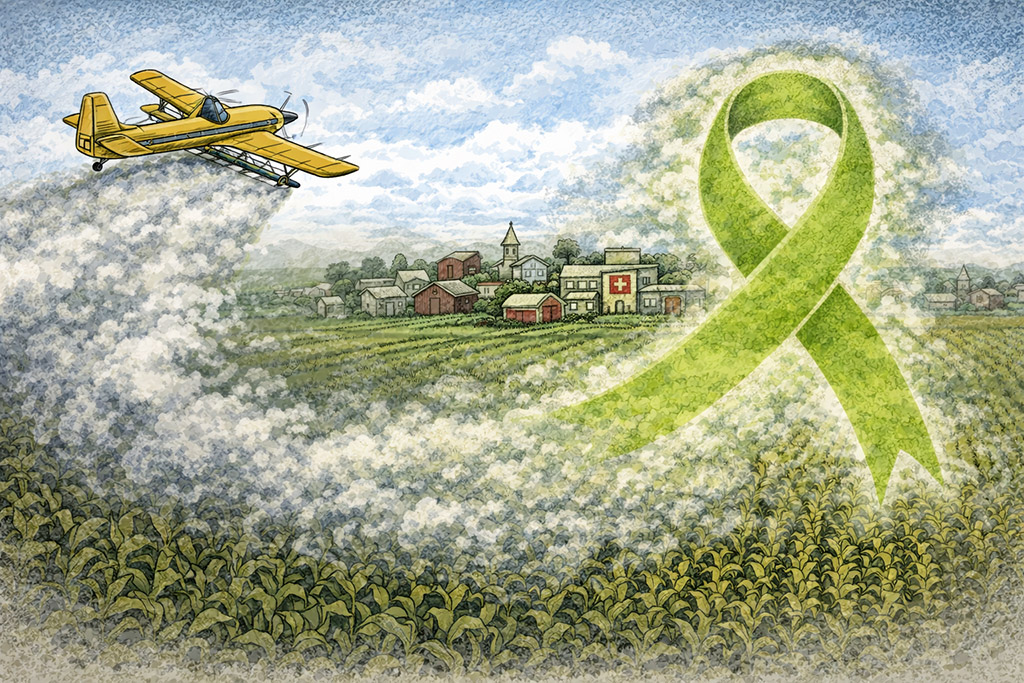
Positive relationship between glyphosate amounts and cancer cases
A report from the environmental group Food & Water Watch found that the majority of counties that are in the top 20% for glyphosate application have non-Hodgkin lymphoma rates above the national average.
In Iowa, the report concludes that 82% of high-spray counties have elevated rates of lymphatic cancer. The report, Food & Water Watch argues, “underscores the need to fight back” on proposed pesticide labeling policies and on the overall use of chemical pesticides. Glyphosate is a commonly used herbicide.
The study comes just days after the latest Cancer in Iowa Report from the Iowa Cancer Registry found that cancer rates among agricultural communities in Iowa were lower, for most cancers, than statewide averages.
Researchers with the Cancer in Iowa Report said additional research into pesticide application in the state could help to assess risks for those in agricultural communities.
The Food & Water Watch report is correlative. It overlaid county-level data of glyphosate application rates with non-Hodgkin lymphoma incidence rates per county.
It found that 60% of counties with the highest rates of glyphosate application in the country, have above-average rates of non-Hodgkin lymphoma. This percentage is even higher, at 71%, when considering late-stage diagnoses of the cancer.
Non-Hodgkin lymphoma has been central to lawsuits against Monsanto, now owned by Bayer, in which plaintiffs alleged the product Roundup, which contains glyphosate, caused them to develop the specific type of cancer.
While some studies indicate there is an associated risk between glyphosate-based herbicides and non-Hodgkin lymphoma, the U.S. Environmental Protection Agency and Bayer hold that the product is not a human carcinogen and is safe when used according to the label.
Monsanto has paid more than $11 billion in settlements and recently announced an up to $7.25 billion, long-term class settlement agreement to help resolve current and future claims.
The company has also lobbied in state and national governments for laws that would say pesticide labels issued by the EPA are sufficient in satisfying any requirement to warn users of the product’s health and safety. This language would prevent “failure to warn” claims against pesticide products.
A bill with this language passed the Iowa Senate in 2025, but was not taken up by the House before the end of session last spring and has not been revived by House leadership so far into the 2026 session.
Bills with similar language have advanced at the federal level, including in the recently drafted Farm Bill from the House agriculture committee. The U.S. Supreme Court is also set to hear a case from the company and decide if an existing federal law preempts failure-to-warn claims against pesticide labels.
Food & Water Watch has opposed these bills and noted in its recent report the language would “strip cancer patients of their rights to seek compensation for the harms they’ve suffered, all while protecting pesticide industry profit.”
President Donald Trump recently issued an executive order calling for the preservation of elemental phosphorus and glyphosate-based herbicides.
Food & Water Watch Research Director Amanda Starbuck said in a statement the president’s “embrace” of glyphosate will “make America very, very sick.”
“It’s time to follow the science and end our reliance on dangerous pesticides once and for all,” Starbuck said.
Iowa lawmaker launches pesticide exposure study
Rep. Jeff Shipley, R-Fairfield, launched a collaborative study between his Committee for Peace and Prosperity and the Health Research Institute – a nonprofit lab based in Fairfield – to study pesticide exposure in Iowans.
The study will identify pesticides and their breakdown products in biological samples, according to a news release. The study hopes to collect three human samples per participant, mostly in the form of urine samples, over a full year.
The project is seeking participants for the study and it intends to gather participants who live near “high-input turfs” like golf courses, farmers and agricultural workers and Iowans from rural and urban areas.
“Iowans deserve clear, independent science to understand pesticide exposure in our daily lives—especially as debate rages over corporate accountability and personal health protections,” Shipley said in the release. “This isn’t about politics, it’s about elevating human consciousness through objective and verifiable collection and publication of data.”
This story was originally published March 16 on the Iowa Capital Dispatch website. Iowa Capital Dispatch is part of States Newsroom, the nation’s largest state-focused nonprofit news organization.
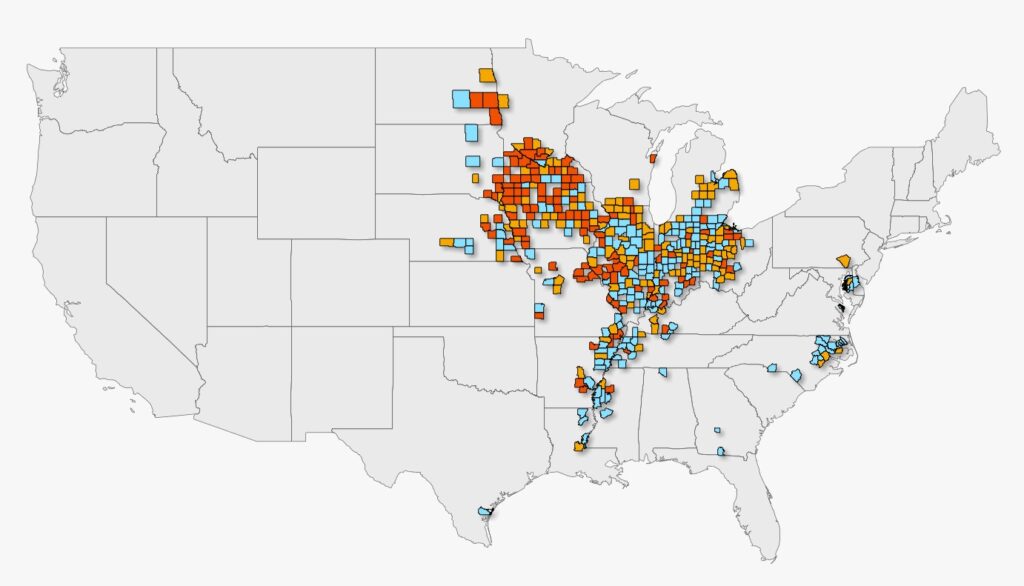
Glyphosate use cross-tabbed with cancer rates. Click on the image to access the online interactive map.
Breaking With Trump, or Just His Poll Numbers?
Candidates show some dissent over the Iran war, as Grassley and Ernst vote against limiting Trump’s war powersIowa Republican candidates are changing their positions on the Iran war as Election Day approaches. That is news. Calling it a “break with Trump” may be...
Has the UI Center Lost Its Academic Legitimacy?
How Much Academic Legitimacy Does Iowa's Center for Intellectual Freedom Have Left?Eleven scholars recruited to help establish the Center have resigned. Their departure raises a bigger question about what made this politically created institution academic in the first...
Trump Lost His Lawsuit. But Did the Lawsuit Fail?
An Iowa judge threw out Donald Trump’s lawsuit against Gannett and pollster J. Ann Selzer. But after nearly two years of litigation, the case raises a larger question about what it means to “win.”President Donald Trump lost his lawsuit against Gannett (owner of the...
As Iowans Suffer, Grassley Turns His Focus to Transgender Sports
Iowa already prohibits transgender girls from competing in girls' sports. With farmers struggling with diesel prices and families confronting inflation and housing costs, why is Chuck Grassley making the issue a national priority now?Should we be concerned about his...
Would a Ban of Diesel Exports Actually Lower Prices? Likely Not.
It’s More Complicated Than Grassley BelievesSen. Chuck Grassley says the U.S. should stop exporting diesel to bring down prices for farmers and truckers. The oil industry says that could backfire. Its explanation deserves a closer look.Iowa farmers are heading into...
Iowa Corn Growers Ask for Diesel Price Relief as Harvest Begins
Iowa Corn Growers Association asks for diesel relief as harvest kicks offBy Cami KoonsIowa Capital Dispatch As Iowa farmers begin harvesting their crops, corn growers in the state are asking Iowa congressional delegates to help lower the cost of diesel fuel, which has...
Mortgage Rates Hit 7% as War Increases Housing Market Pressure
Higher energy prices, persistent inflation, and rising borrowing costs are making an already difficult housing market even harder for buyers.The New York Times reports that mortgage rates have climbed above 7% for the first time since January 2025, another economic...